
Senate Banking Chair Tim Scott Confirms CLARITY Act Vote This Week—Here's What It Means
Tim Scott, the South Carolina senator who chairs the Senate Banking Committee, has signaled that a vote on the CLARITY crypto bill is locked in for this week, dismissing concerns about the tight legislative calendar. Speaking with confidence about the timeline, Scott emphasized that Senate Majorit
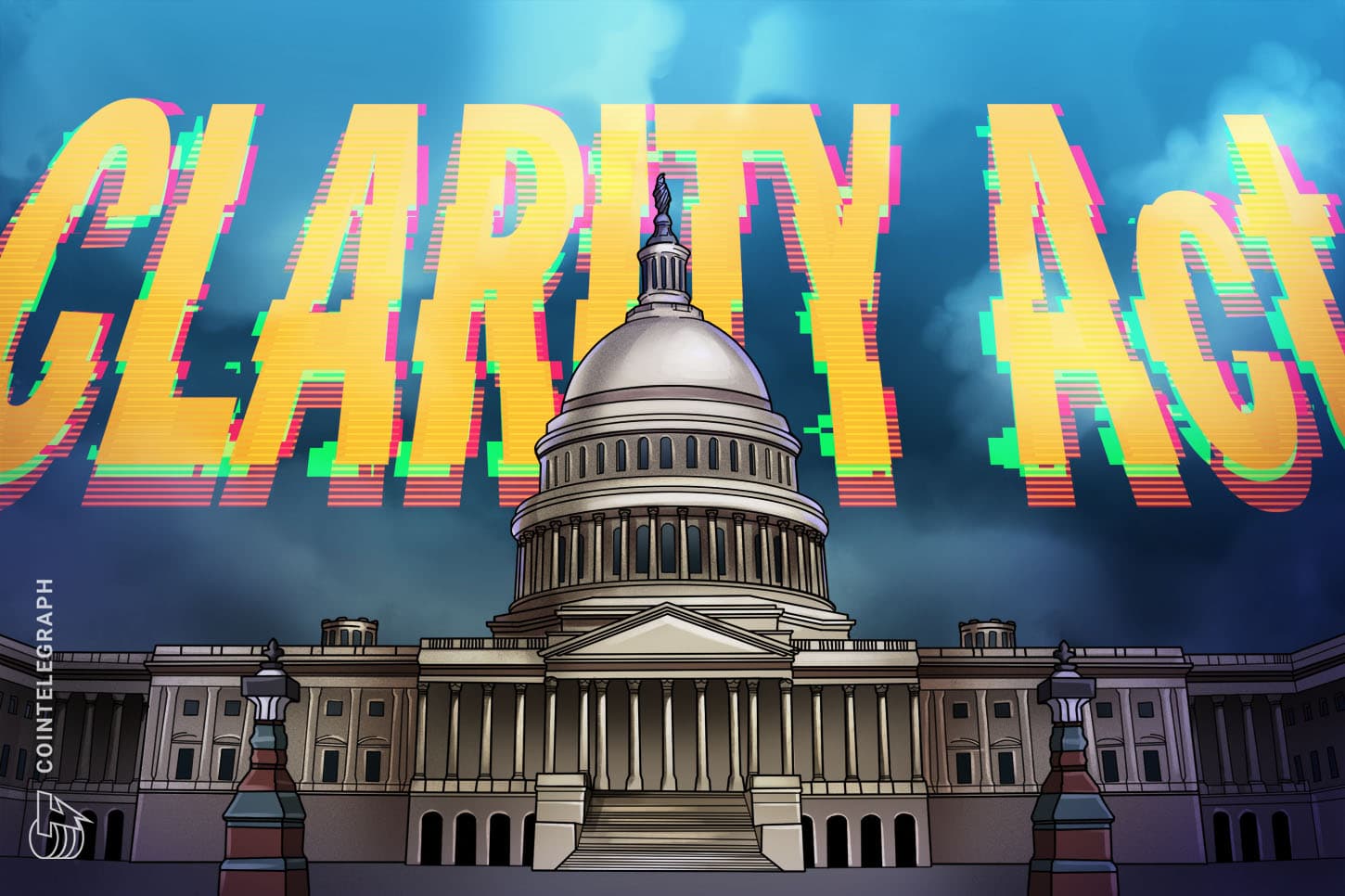
Tim Scott, the South Carolina senator who chairs the Senate Banking Committee, has signaled that a vote on the CLARITY crypto bill is locked in for this week, dismissing concerns about the tight legislative calendar.
Speaking with confidence about the timeline, Scott emphasized that Senate Majority Leader Chuck Schumer still has adequate time to slot the crypto legislation onto the voting schedule, even with the compressed legislative window. The banking committee chairman's statement removes ambiguity around whether the bill would face another delay—a recurring pattern that's frustrated crypto advocates pushing for regulatory clarity.
The CLARITY Bill's Path Forward
The CLARITY (Crypto Light-Touch Innovation Through Responsible Growth) Act represents a significant legislative effort to establish clearer federal frameworks for digital asset regulation. Rather than leaving crypto in a regulatory gray zone, the bill aims to define which agencies oversee different aspects of the industry and establish guardrails for growth.
Scott's push for this week's vote signals momentum among key Senate figures to finally move crypto legislation forward. The Banking Committee chair has been vocal about the need for regulatory certainty in the digital asset space, framing it as essential for American competitiveness in the evolving fintech landscape.
What the Vote Timing Tells Us
The narrow voting window Scott referenced highlights the political reality of the current Congress. Legislative calendars fill quickly, and crypto bills—while gaining bipartisan support—still compete with dozens of other priorities. The fact that leadership is dedicating floor time to crypto analysis and regulatory frameworks suggests growing recognition that digital assets are no longer a fringe issue in financial markets.
For traders and portfolio managers, this legislative development matters. Regulatory clarity typically precedes institutional adoption, and institutional money has repeatedly demonstrated it waits for legal certainty before deploying significant capital into bitcoin, ethereum, and other crypto assets.
Why This Vote Matters for Crypto Markets
If CLARITY passes, we'd see explicit definitions around staking, DeFi protocols, and custodial requirements—areas where the crypto industry has operated in regulatory limbo. This doesn't mean light-touch regulation; it means defined regulation. Markets generally reward clarity, even strict rules, over uncertainty.
The bill's Senate Banking Committee origins matter too. Scott chairs the very committee that shapes financial regulation, giving his statements credibility on what moves through the chamber. His confidence about this week's vote suggests internal alignment on moving crypto legislation forward.
Alpha Take
Scott's confirmation of this week's vote represents the most concrete legislative movement on crypto in recent memory. We're watching for whether the bill actually reaches the floor and what the final margin looks like—a narrow pass signals political fragility, while a wider margin could accelerate follow-up regulatory moves. Monitor bitcoin and ethereum's technical levels closely around the actual vote timing; regulatory clarity catalysts often trigger significant intraday volatility in crypto markets.
Originally reported by
CoinTelegraph
Not financial advice. Crypto investing involves significant risk. Past performance does not guarantee future results. Always do your own research.