
Senate Banking Dems Push Public Fight on Crypto Prediction Markets After GOP's Private Kalshi Meeting
Senate Banking Committee Democrats are mobilizing against what they see as behind-the-scenes dealmaking on crypto prediction markets. All Democratic members have now formally requested that Committee Chair Sen.
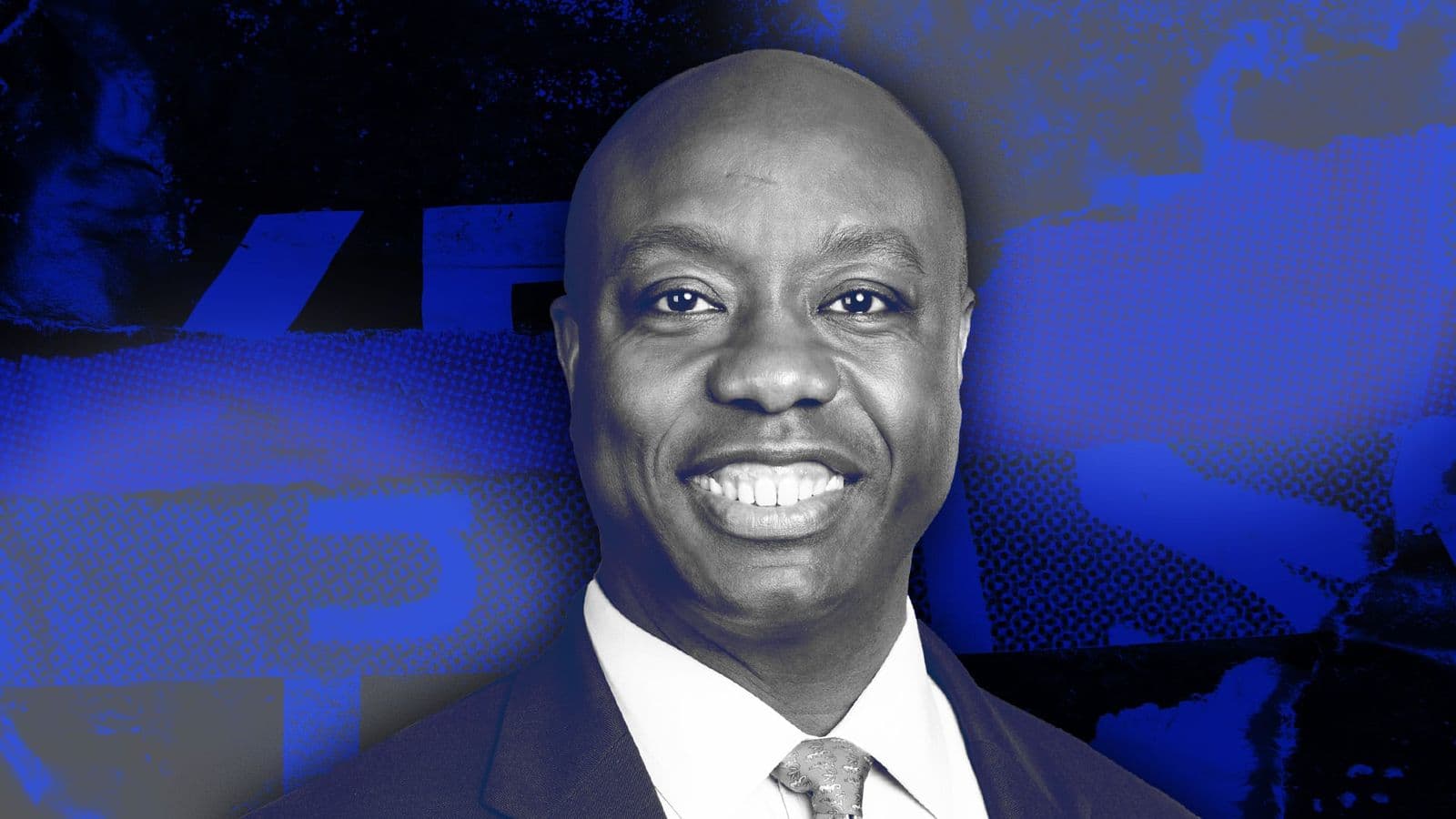
Senate Banking Committee Democrats are mobilizing against what they see as behind-the-scenes dealmaking on crypto prediction markets. All Democratic members have now formally requested that Committee Chair Sen. Tim Scott hold a public hearing on the issue—a direct response to Republicans meeting privately with Kalshi, one of the sector's leading platforms.
The timing matters. While the GOP conducted closed-door sessions with Kalshi executives, Democrats are demanding transparency. They want the debate on prediction markets aired publicly, not negotiated in private corridors. This reflects a deeper split in Congress: Republicans appear more receptive to the prediction market crypto narrative, while Democrats want full scrutiny before any regulatory moves.
The Democratic Pushback
Every single Democrat on the committee signed onto the request—a show of unity that signals they won't let prediction market policy slide through without a fight. Their core argument: major decisions affecting crypto infrastructure shouldn't happen "behind closed doors," as their letter reportedly stated. They want witnesses, testimony, and a public record of exactly how prediction markets would operate and what risks they pose to investors.
Kalshi itself has been central to this debate. The platform has been actively lobbying regulators and lawmakers, positioning itself as the legitimate face of crypto-based prediction markets. The private GOP meetings suggest the company found a more receptive audience on the Republican side—at least for preliminary discussions.
What's at Stake
Prediction markets represent a specific corner of the crypto ecosystem: decentralized platforms where users can bet on real-world outcomes (elections, economic data, weather, etc.). Supporters argue they improve price discovery and provide valuable market signals. Critics worry about market manipulation, insider trading through prediction bets, and the precedent of letting crypto platforms operate without clear regulatory guardrails.
For portfolio managers and traders, prediction markets matter because they're a potential new asset class. If Congress greenlights them, we could see significant capital flow into these platforms. If they crack down, projects like Kalshi face legal pressure or operational restrictions.
The Regulatory Narrative
This situation underscores a broader pattern: crypto regulation is fragmented across party lines. Republicans have generally shown more openness to blockchain innovation and alternative finance structures. Democrats want slower, more cautious approaches with stricter oversight.
The request for a public hearing is Democrats' way of pumping the brakes. They're not necessarily saying "no" to prediction markets—they're saying "not without everyone seeing it happen." A full committee hearing would expose the business model, the risks, and the regulatory gaps to scrutiny from both parties and the media.
Kalshi hasn't responded publicly to the Democrats' request, but the company clearly anticipated this pushback. Having already held those private GOP sessions suggests a deliberate strategy: build Republican support first, then navigate Democratic skepticism from a position of strength.
Alpha Take
This is political theater with real market implications. If Democrats can force a contentious public hearing, it delays favorable regulation and creates regulatory uncertainty for prediction market platforms. Investors should watch whether Scott agrees to the hearing and, if so, what testimony the committee requests. The outcome shapes whether prediction markets become a regulated, integrated part of crypto trading infrastructure or remain in regulatory limbo.
Originally reported by
The Block
Not financial advice. Crypto investing involves significant risk. Past performance does not guarantee future results. Always do your own research.