
Senate Clarity Act Vote Stalls as Trump's Crypto Holdings Trigger Ethics Standoff
The Senate's preliminary push to advance the Clarity Act hit a roadblock this week, with lawmakers unable to secure enough votes to move the cryptocurrency regulatory framework forward. The stumble reveals a deeper political divide centered on President Trump's personal crypto wealth—a complication
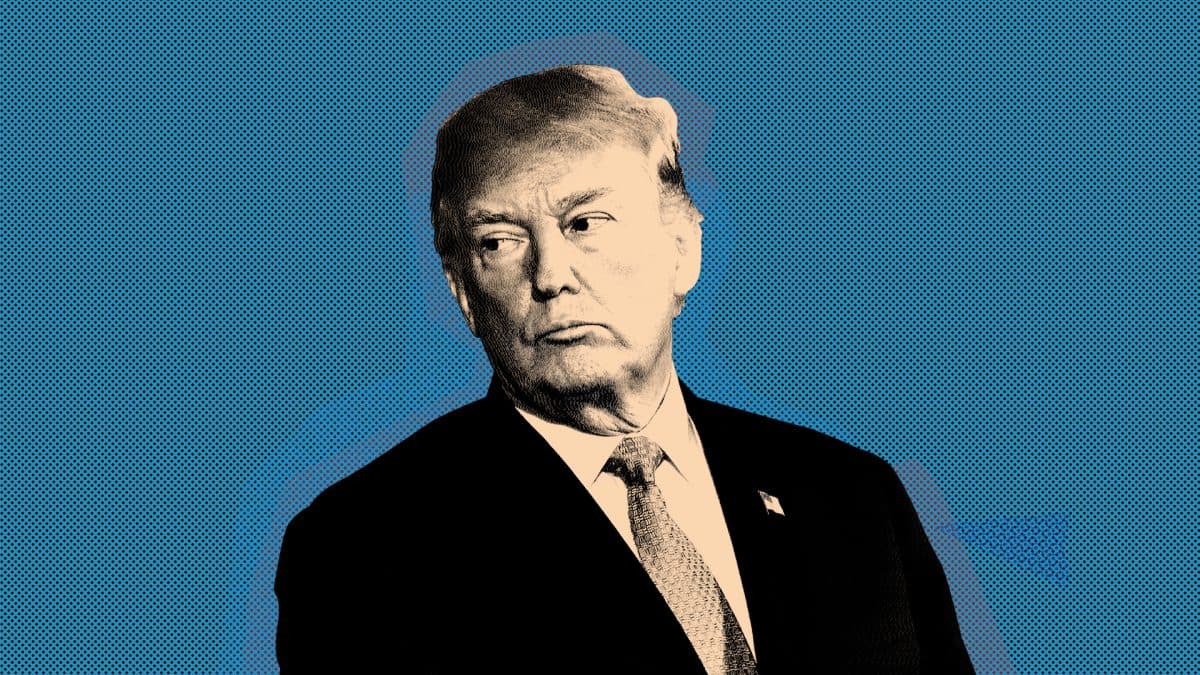
The Senate's preliminary push to advance the Clarity Act hit a roadblock this week, with lawmakers unable to secure enough votes to move the cryptocurrency regulatory framework forward. The stumble reveals a deeper political divide centered on President Trump's personal crypto wealth—a complication that's thrown a wrench into what was previously viewed as bipartisan crypto policy progress.
The Vote That Didn't Happen
We're watching a critical moment for crypto regulation in Washington unfold in real-time. The initial procedural vote designed to expedite the Clarity Act's path through the Senate fell short of the necessary threshold, marking a significant setback for advocates pushing for clearer digital asset rules. What should've been a relatively straightforward procedural move became bogged down in ethics concerns and political maneuvering.
The Clarity Act, which aims to provide regulatory certainty for the crypto industry by clarifying the roles of different agencies in overseeing digital assets, had maintained momentum across both sides of the aisle—until Trump's documented crypto holdings became central to the debate.
Ethics Concerns Over Presidential Assets
The stall hinges on opposition rooted in ethics and conflict-of-interest concerns. Lawmakers raised questions about whether advancing crypto-friendly legislation while the President holds significant digital assets creates an appearance of impropriety. This isn't just procedural nitpicking; it cuts to fundamental governance questions about how crypto policy should be crafted when key decision-makers have direct financial stakes in the sector.
The situation creates a catch-22 for Senate leadership. Supporters of the Clarity Act argue that strong regulatory frameworks benefit the entire crypto market, including institutional investors and everyday traders building diversified portfolios. Critics counter that rushing legislation while a sitting president stands to benefit personally looks bad—regardless of the merits of the underlying policy.
What This Means for Crypto Market Intelligence
For traders and portfolio managers tracking regulatory developments, this vote represents the kind of political volatility that impacts market movements. Bitcoin, ethereum, and broader crypto market sentiment often react sharply to regulatory news. A stalled Senate vote signals that crypto policy remains politically fraught rather than settled, which affects how institutional capital approaches digital asset allocation.
The failed vote also suggests that turning crypto into mainstream policy requires more than just industry support. It demands political cover—something harder to manufacture when personal wealth is visibly at stake. Senators from both parties may hesitate to cast potentially controversial votes if they can be framed as self-serving.
Alpha Take
The Clarity Act's stalled momentum demonstrates that crypto regulatory progress depends as much on managing optics as on policy substance. Expect lawmakers to seek restructuring strategies—possibly spinning out Trump's crypto holdings from the legislation's timeline or reframing the bill's scope. Until ethics concerns are addressed, don't expect Senate movement on this framework, and watch for crypto market sensitivity to any fresh regulatory developments from this political theater.
Originally reported by
The Block
Not financial advice. Crypto investing involves significant risk. Past performance does not guarantee future results. Always do your own research.