
Senate Delays Crypto Clarity Vote as Democrats Block September Path Forward
Senate Majority Leader John Thune announced the Clarity Act won't hit the floor until September at the earliest, effectively shelving crypto legislation as midterm politics intensify. The delay underscores a fundamental gridlock: Republicans need 60 votes to pass meaningful crypto regulation, but D
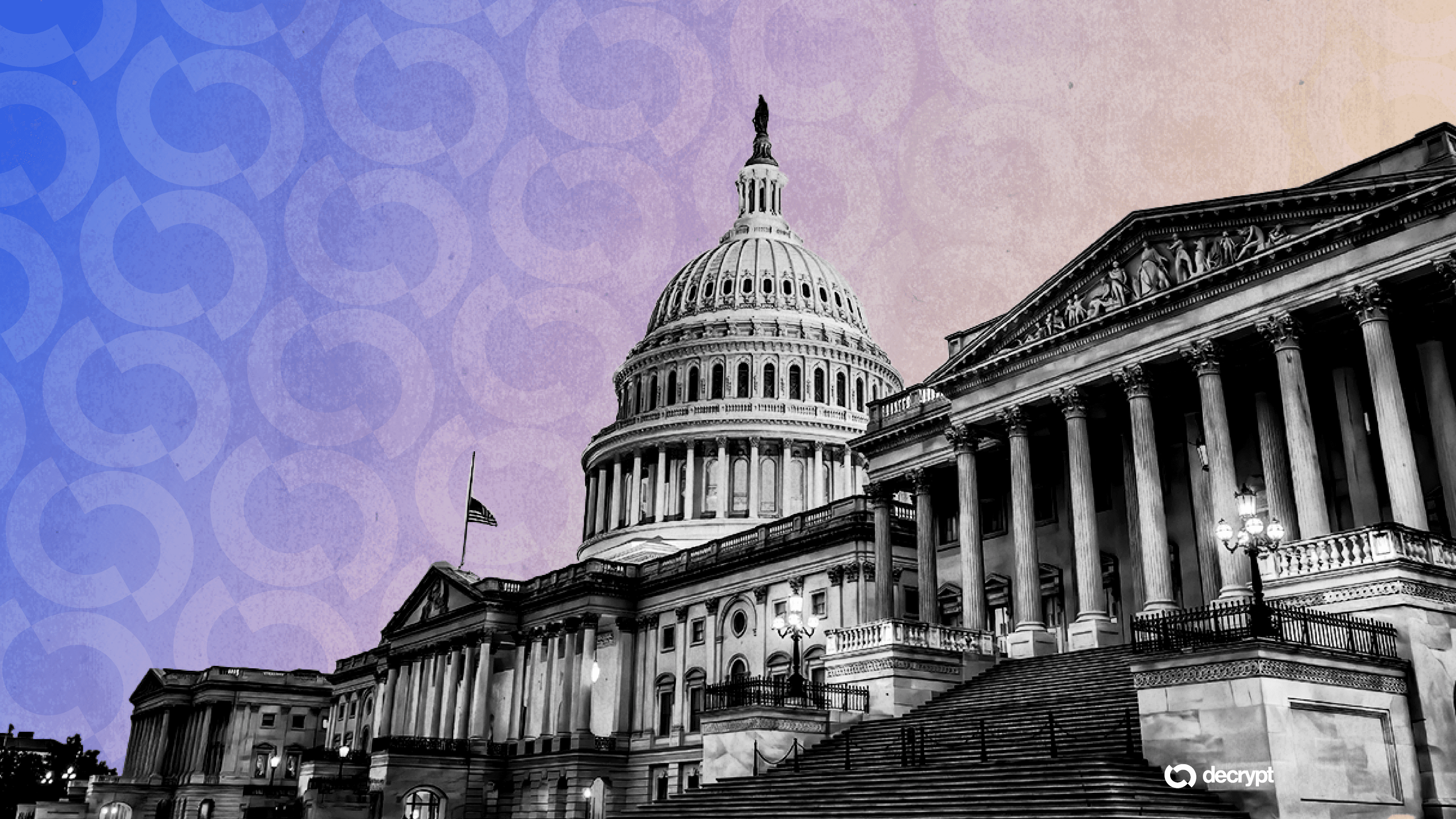
Senate Majority Leader John Thune announced the Clarity Act won't hit the floor until September at the earliest, effectively shelving crypto legislation as midterm politics intensify. The delay underscores a fundamental gridlock: Republicans need 60 votes to pass meaningful crypto regulation, but Democrats are holding the line, refusing to greenlight a bill they view as industry-friendly.
Here's what we're tracking: Thune signaled the vote will land on the docket once lawmakers reconvene after the August recess. That leaves a narrow window—roughly five weeks—to secure the supermajority needed before midterm campaign season swallows Congress's agenda. The math is brutal. Republicans control the Senate but lack the votes to go it alone on controversial legislation, especially anything touching financial regulation.
The Clarity Act, designed to carve out which agencies regulate which crypto assets, has backing from the crypto industry and some bipartisan support. But Democrats remain skeptical. Their resistance centers on concerns that the bill could strip protections for retail investors while handing regulatory authority to agencies they believe are unprepared for crypto's complexity. Without Democratic buy-in, Republicans are stuck.
Thune's move reflects political reality: attempting a floor vote now would be a waste of capital. Better to regroup, negotiate behind the scenes, and hope a September push can gather the remaining votes needed. The window is tightening, though. Once midterm campaigns kick into high gear—typically Labor Day onward—legislative momentum grinds to a halt. Members become defensive, less willing to take votes on contentious issues that could be weaponized in attack ads.
For the crypto market, this is mixed news. On one hand, regulatory uncertainty persists. Bitcoin, ethereum, and altcoins trade without clear guidelines defining how the SEC, CFTC, and other regulators divide jurisdiction. On the other hand, many crypto advocates worry the Clarity Act doesn't go far enough anyway. Some provisions, they argue, could entrench existing players and make it harder for decentralized finance (DeFi) protocols to operate without jumping through regulatory hoops.
The delay also signals broader dysfunction. Crypto regulation has become a proxy war in larger political battles over financial innovation, big tech, and what role government should play in digital asset markets. Neither party is unified internally—there are crypto-skeptical Republicans and crypto-friendly Democrats—but party-line politics keep them locked down.
What's next? Watch for September negotiations. If Democrats softens their stance or Republicans offer concessions, a vote becomes feasible. If neither side budges, the Clarity Act could languish until after midterms, when the new Congress inherits the problem. A Republican-controlled House post-midterms might push harder on crypto-friendly legislation, while Senate Democrats could become even more entrenched.
The crypto trading and investment community should prepare for extended regulatory limbo. Portfolio managers accustomed to traditional assets see crypto's lack of regulatory clarity as a feature, not a bug—it keeps compliance costs lower and barriers to entry minimal. But institutional capital flowing into digital assets increasingly demands regulatory guardrails. Without them, mainstream adoption slows.
Alpha Take
The September delay buys time but doesn't solve the core problem: crypto regulation requires genuine bipartisan consensus, and we're nowhere close. Watch the early September signals—if serious negotiations haven't produced movement by Labor Day, expect this bill to die quietly before the midterms dominate the legislative calendar. For crypto traders, this extends the status quo: regulatory uncertainty remains priced in.
Originally reported by
Decrypt
Not financial advice. Crypto investing involves significant risk. Past performance does not guarantee future results. Always do your own research.