
Senator Warren Pressures CFTC on Crypto Enforcement Amid Trump-Era Staff Reductions
Elizabeth Warren isn't backing down on regulatory scrutiny. The Massachusetts senator is demanding answers from the Commodity Futures Trading Commission (CFTC) regarding how recent workforce cuts and enforcement shifts are impacting the agency's ability to oversee crypto assets and prediction marke
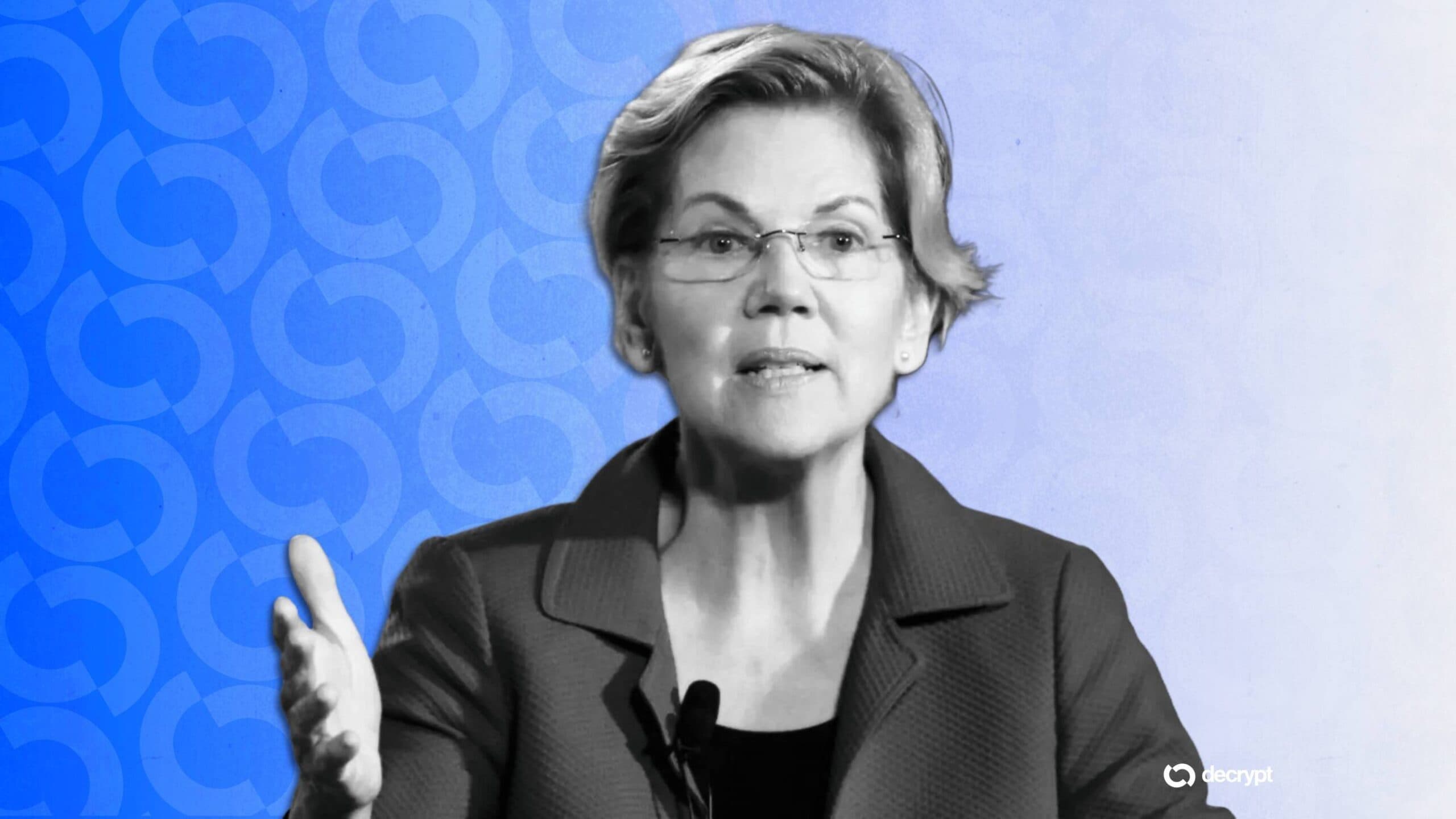
Elizabeth Warren isn't backing down on regulatory scrutiny. The Massachusetts senator is demanding answers from the Commodity Futures Trading Commission (CFTC) regarding how recent workforce cuts and enforcement shifts are impacting the agency's ability to oversee crypto assets and prediction markets.
Warren's concerns center on the Trump administration's restructuring of the CFTC, which has seen significant staff reductions that could compromise the regulator's enforcement capabilities. This matters because the CFTC is essentially the primary federal watchdog for derivatives markets—including crypto futures, options, and other leveraged trading products that retail and institutional traders use daily.
The Enforcement Question
The senator's pressure reflects growing anxiety among crypto market participants about regulatory consistency. Warren specifically wants clarity on how the CFTC plans to maintain its enforcement posture while operating with a leaner workforce. For traders and portfolio managers, this is critical: lighter enforcement can mean more market abuse, but it can also mean less regulatory friction on innovation.
The CFTC has been gradually expanding its crypto jurisdiction over the past few years. Under previous leadership, the agency pushed forward with enforcement actions against platforms offering illegal leverage and unregistered derivatives. Now, with reduced headcount and potential policy shifts, the question becomes whether that momentum continues or stalls.
Prediction Markets in the Crosshairs
Warren's inquiry also touches on prediction markets—a gray zone in crypto regulation that's become increasingly contentious. These platforms allow users to trade contracts on real-world outcomes: elections, sports, economic data. The regulatory question is whether they're legitimate derivatives markets (CFTC territory) or gambling operations (state jurisdiction).
The CFTC has struggled to define its stance here, and workforce reductions won't help clarify things. For crypto investors tracking prediction market platforms, this uncertainty directly impacts platform viability and token valuations.
What This Means for Crypto Markets
The broader context: crypto and bitcoin markets thrive on regulatory clarity, even when rules are restrictive. Ambiguity creates risk. Warren's intervention suggests Congress will keep pressure on financial regulators regardless of administration—a stabilizing force for institutional crypto adoption, though potentially limiting for aggressive innovation.
The Trump administration's approach to crypto regulation differs sharply from its predecessor. Instead of aggressive enforcement, we're seeing a lighter-touch philosophy. That benefits some market participants but leaves others exposed to counterparty and operational risks without clear guardrails.
For ethereum, bitcoin, and altcoin traders, this plays into broader market sentiment about which regulatory regime produces better outcomes. Decentralized finance platforms and crypto derivatives exchanges are watching closely—staff reductions at the CFTC could accelerate migration to offshore platforms, or it could open space for compliant domestic alternatives.
Alpha Take
Warren's pressure campaign signals that Congressional oversight of crypto regulation won't disappear regardless of who's in the White House. For portfolio managers and traders, track whether the CFTC actually maintains enforcement intensity through this transition period—enforcement action frequency is a leading indicator of regulatory appetite. Prediction markets remain the regulatory wild card; clearer CFTC guidance here could unlock significant institutional capital into this crypto segment.
Originally reported by
Decrypt
Not financial advice. Crypto investing involves significant risk. Past performance does not guarantee future results. Always do your own research.