
Seoul Seeks Common Ground With US Regulators as South Korea Battles Its Own Crypto Crisis
South Korea's crypto ecosystem is taking a page from the multilateral playbook. A high-level delegation from one of Asia's most prolific crypto markets recently sat down with the US Securities and Exchange Commission's task force to explore regulatory alignment—a strategic move that signals Seoul's
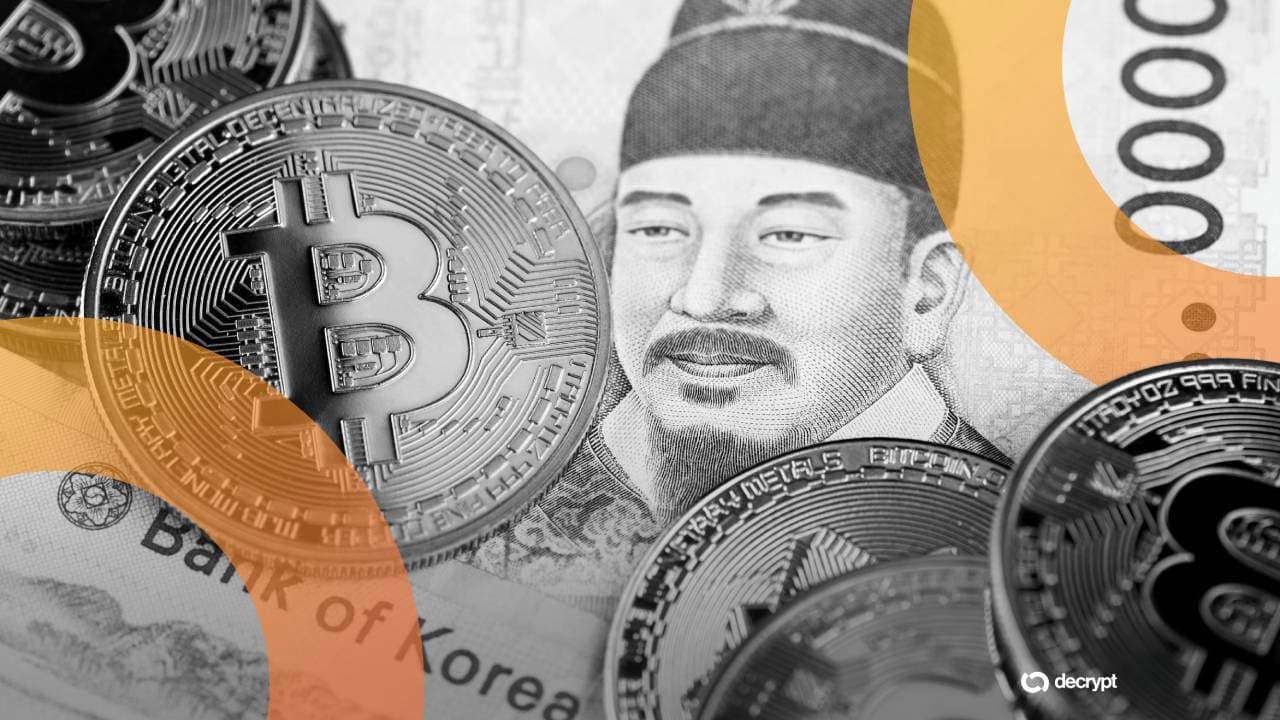
South Korea's crypto ecosystem is taking a page from the multilateral playbook. A high-level delegation from one of Asia's most prolific crypto markets recently sat down with the US Securities and Exchange Commission's task force to explore regulatory alignment—a strategic move that signals Seoul's desire to synchronize oversight frameworks with Washington amid mounting domestic scandals.
The Regulatory Convergence Play
Here's what's happening: South Korean officials recognize that harmonizing crypto rules with the SEC could provide their market with legitimacy while giving domestic regulators teeth to clamp down on bad actors. The timing isn't coincidental. After weathering multiple high-profile collapses and fraud cases, Seoul is actively repositioning itself as a jurisdiction serious about investor protection.
We're watching this unfold because regulatory coordination between major markets typically precedes stricter enforcement. When the US and South Korea align on standards, you get clearer compliance frameworks—but also tighter restrictions on who can operate and how.
Why This Matters for the Crypto Space
The delegation's engagement with the SEC task force reflects a broader trend: governments are no longer working in silos on cryptocurrency policy. Unified rules mean exchanges, traders, and platforms operating across these jurisdictions face more consistent requirements rather than regulatory arbitrage opportunities.
For bitcoin and ethereum traders with exposure to South Korean exchanges, this could mean enhanced know-your-customer (KYC) protocols and stricter capital controls. Portfolio managers should expect increased friction around moving assets between markets—at least initially.
Local Scandals Driving the Change
South Korea hasn't lacked for crypto-related headaches. The delegation's motivation stems partly from addressing credibility gaps that recent scandals have created. When local markets suffer from major blowups or fraud cases, regulators feel pressure to demonstrate competence and control.
The meeting with the SEC signals that Seoul wants to get ahead of the narrative: by proactively engaging with US regulators and building unified frameworks, South Korean officials are positioning their market as cooperative rather than reckless.
What's Actually on the Table
While specifics remain limited, regulatory convergence typically covers ground like:
- •Market manipulation standards and enforcement mechanisms
- •Custody and asset safeguarding requirements
- •Stablecoin oversight and reserve verification
- •Reporting obligations for exchanges and platforms
- •Cross-border transaction monitoring
The SEC's task force participation indicates Washington sees value in these conversations—not as a soft endorsement of South Korean crypto, but as pragmatic acknowledgment that major markets need aligned rules.
The Trading Implication
Crypto analysis suggests this regulatory coordination will eventually tighten conditions for retail traders and smaller players in South Korea while potentially making it easier for institutional-grade platforms to scale across both markets. Expect a bifurcation: more compliance burden for smaller actors, clearer pathways for institutional participants.
Alpha Take
South Korea's regulatory pivot toward alignment with the SEC represents the maturing of global crypto oversight. This isn't bullish short-term for speculative trading, but it does establish clearer market infrastructure long-term. Watch for which South Korean exchanges and platforms receive formal SEC recognition—those will be the winners in this regulatory reshuffling. Portfolio managers should anticipate increased compliance costs flowing through the market over the next 12-18 months.
Originally reported by
Decrypt
Not financial advice. Crypto investing involves significant risk. Past performance does not guarantee future results. Always do your own research.