
Sequans' Bitcoin Retreat Signals Reality Check for Corporate Crypto Treasuries
French chipmaker Sequans Communications just pulled the plug on half its Bitcoin holdings, and it's a textbook example of what happens when corporate treasury strategy collides with actual financial pressure. The company offloaded approximately 50% of its Bitcoin stack to cover mounting losses and
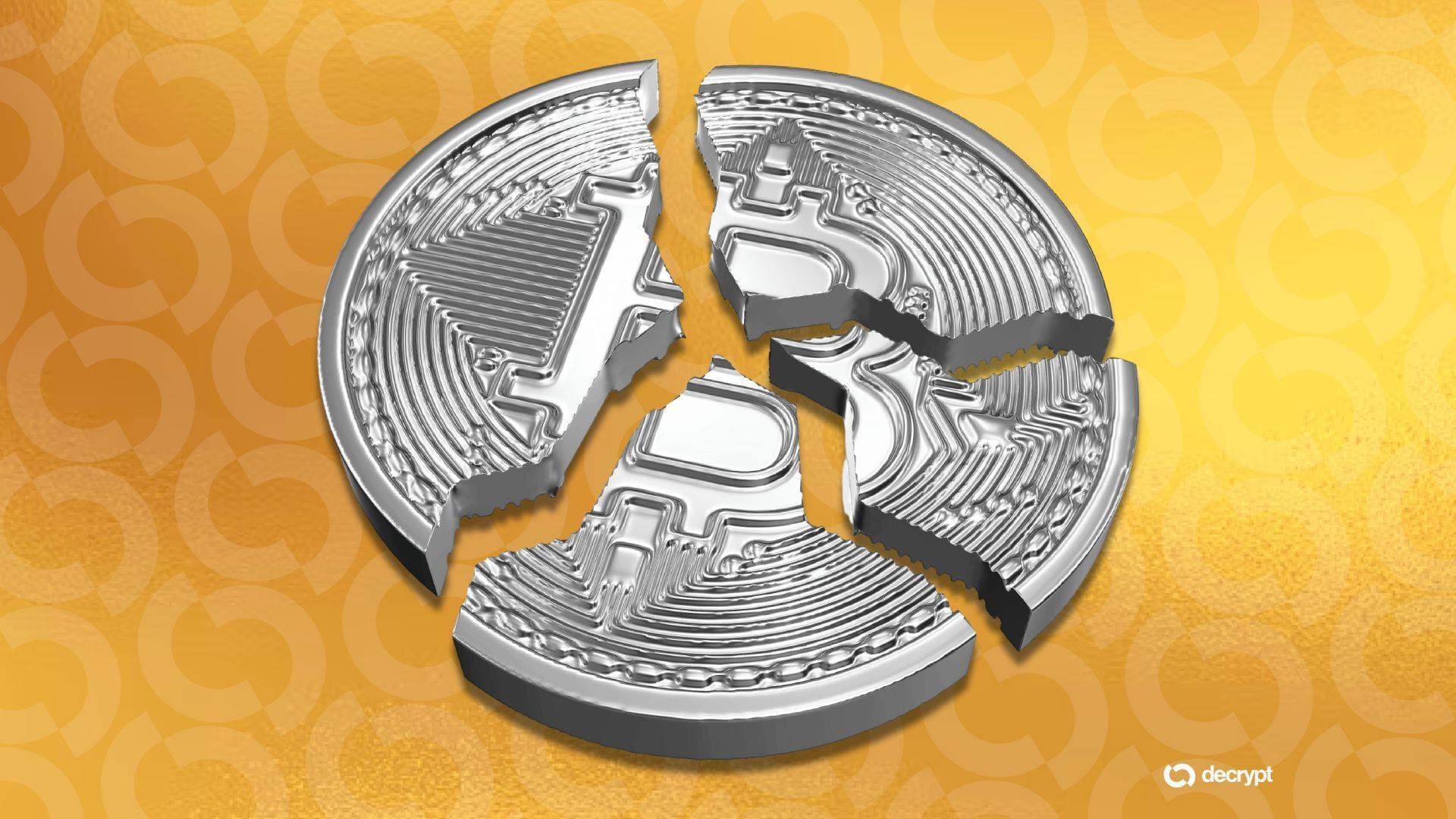
French chipmaker Sequans Communications just pulled the plug on half its Bitcoin holdings, and it's a textbook example of what happens when corporate treasury strategy collides with actual financial pressure.
The company offloaded approximately 50% of its Bitcoin stack to cover mounting losses and debt obligations. This isn't some casual portfolio rebalancing—it's a forced retreat from the "hodl at all costs" mentality that captured corporate boardrooms during the 2021 bull run.
The Numbers Tell the Story
Sequans' decision reflects a harder truth for companies that went all-in on crypto: balance sheets don't care about long-term Bitcoin narratives when quarterly losses are piling up. The chipmaker's move mirrors a broader pattern we're seeing across corporate crypto portfolios. When cash flow tightens and debt comes due, even bullish treasury managers face pressure to liquidate.
The timing is instructive. While some corporations continue marketing their crypto holdings as strategic advantages, Sequans' action suggests that maintaining expensive debt obligations takes priority over speculative asset exposure—even if that asset is Bitcoin.
Why This Matters for Crypto Market Intelligence
Here's what traders and portfolio managers need to understand: corporate Bitcoin accumulation made headlines during the euphoria phase, but we're now entering the accountability phase. Companies like Sequans were celebrated for "embracing Bitcoin," but reality has a way of humbling treasury departments.
This liquidation doesn't necessarily signal broader market weakness—one company's debt crisis doesn't move crypto markets. But it does expose a critical flaw in the corporate treasury narrative: many companies that adopted Bitcoin weren't doing genuine long-term portfolio allocation. They were speculating with balance sheet capital during a bull market, then panicking when conditions tightened.
The Broader Implication
Sequans' move reflects the difference between institutional adoption and institutional stability. Real institutional players maintain crypto exposure without forcing emergency liquidations. Companies that structured their Bitcoin holdings as genuine long-term treasury assets—with debt obligations already accounted for—weather volatility smoothly.
The French chipmaker's situation shows that corporate crypto adoption is only as solid as the company's underlying financial health. You can market Bitcoin treasury strategy all you want, but when operational losses mount and debt comes due, crypto holdings become a liability management problem, not an opportunity.
Alpha Take
Sequans' forced Bitcoin liquidation underscores a critical trading principle: watch how corporate holders behave under financial stress—it reveals whether their crypto thesis is genuine conviction or convenient speculation. For crypto analysis purposes, this signals that not all "institutional adoption" is equal; financial stability determines who stays committed. Traders should track which companies maintain positions and which panic-sell when pressured.
Originally reported by
Decrypt
Not financial advice. Crypto investing involves significant risk. Past performance does not guarantee future results. Always do your own research.