
SoFi Enters Stablecoin Game with Multi-Chain SoFiUSD Launch
SoFi is officially stepping into the stablecoin arena with the launch of SoFiUSD, a new dollar-pegged token now live across both Ethereum and Solana blockchains. This move signals a significant shift for the fintech platform as it bridges traditional banking infrastructure with decentralized financ
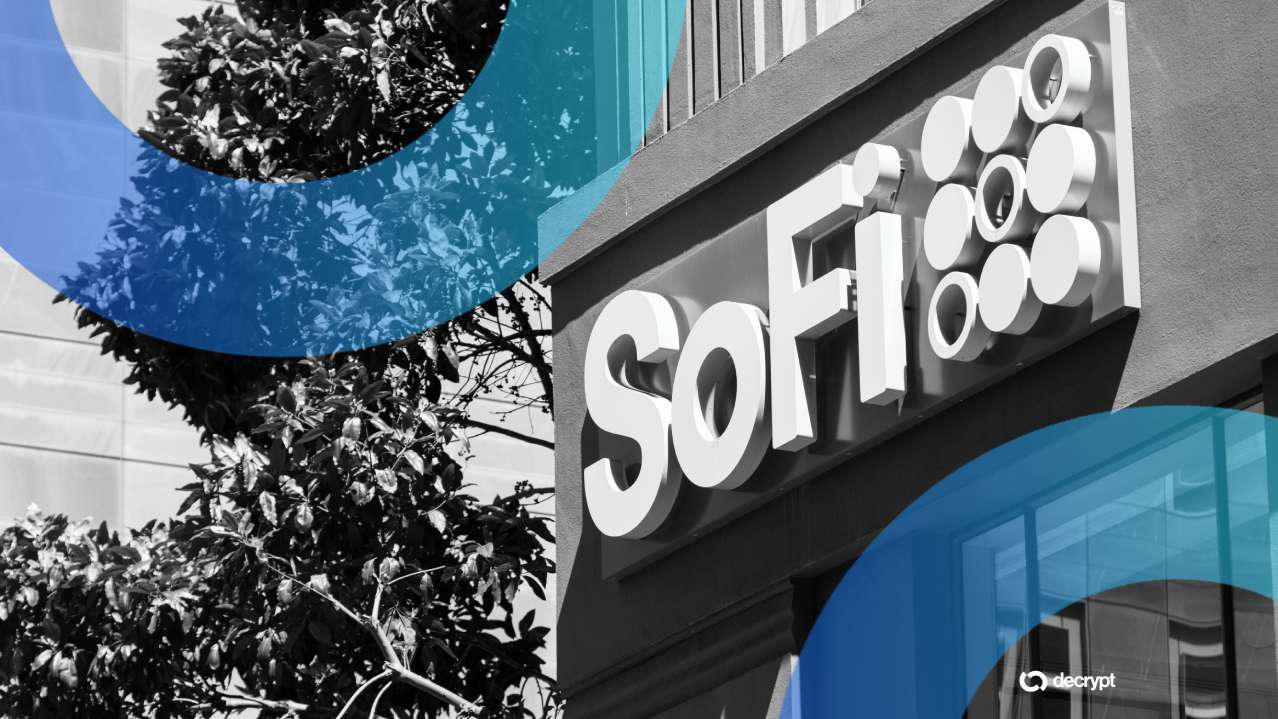
SoFi is officially stepping into the stablecoin arena with the launch of SoFiUSD, a new dollar-pegged token now live across both Ethereum and Solana blockchains. This move signals a significant shift for the fintech platform as it bridges traditional banking infrastructure with decentralized finance infrastructure.
What SoFi Is Doing
The platform is making SoFiUSD available directly to its members, enabling faster settlement, reduced transaction friction, and native compatibility with both major blockchain networks. By launching on Ethereum and Solana simultaneously, SoFi isn't betting on a single chain—it's hedging its bets across the two ecosystems that matter most for crypto trading and DeFi participation.
This represents a meaningful convergence point. We're seeing legacy financial players with regulatory oversight and banking licenses now issuing crypto-native assets. That's not trivial. SoFi already operates as a federally chartered bank, which gives this launch a different flavor than many other stablecoin projects that lack traditional banking infrastructure.
Why It Matters for Crypto Market Intelligence
From a market structure perspective, this matters because regulated stablecoins expand the on-ramps into crypto and DeFi. The more legitimate banking-grade stablecoins in circulation, the less friction exists for institutional capital to access blockchain ecosystems. We've already seen how stablecoin supply dynamics correlate with crypto market cycles—more stablecoin liquidity typically precedes periods of increased trading volume and capital deployment.
Ethereum remains the dominant network for institutional crypto activity, while Solana continues gaining ground with traders seeking faster, cheaper transactions. Launching on both simultaneously tells us SoFi sees value in serving two distinct user bases with different needs: Ethereum's liquidity and institutional maturity, and Solana's speed and cost efficiency.
The Broader Implications
The timing is noteworthy. We're in a period where regulatory clarity around stablecoins is improving, and banks are becoming more comfortable with blockchain integration. SoFi's move follows other traditional finance players exploring stablecoin issuance, but this platform has a built-in advantage: millions of existing members who can access SoFiUSD without friction.
For portfolio managers and traders, the real question is adoption velocity. Will SoFi members actually use this token, or will it remain a niche product? Early metrics will matter. If SoFiUSD gains traction on Ethereum and Solana, it validates the thesis that traditional finance can successfully merge with blockchain infrastructure. If adoption lags, it suggests that even regulated stablecoins struggle without compelling use cases beyond the obvious theoretical ones.
The crypto market intelligence here is straightforward: watch the transaction volume and holder concentration. A successful SoFiUSD tells us something important about institutional appetite for regulated on-chain assets.
Alpha Take
SoFi's dual-chain stablecoin launch is a legitimate infrastructure play that signals institutional banks taking blockchain seriously. The Ethereum and Solana presence matters—it's not ideology, it's pragmatism about where crypto trading actually happens. Monitor SoFiUSD volume and adoption rates closely; this could become a bellwether for how smoothly traditional finance integrates with decentralized networks.
Originally reported by
Decrypt
Not financial advice. Crypto investing involves significant risk. Past performance does not guarantee future results. Always do your own research.