
South Korea Moves Token Securities Into Mainstream Capital Markets Framework
South Korea's Financial Services Commission has integrated token securities infrastructure into a comprehensive capital-market modernization initiative. The move signals the country's serious push to digitize its financial backbone while simultaneously normalizing digital asset trading through trad
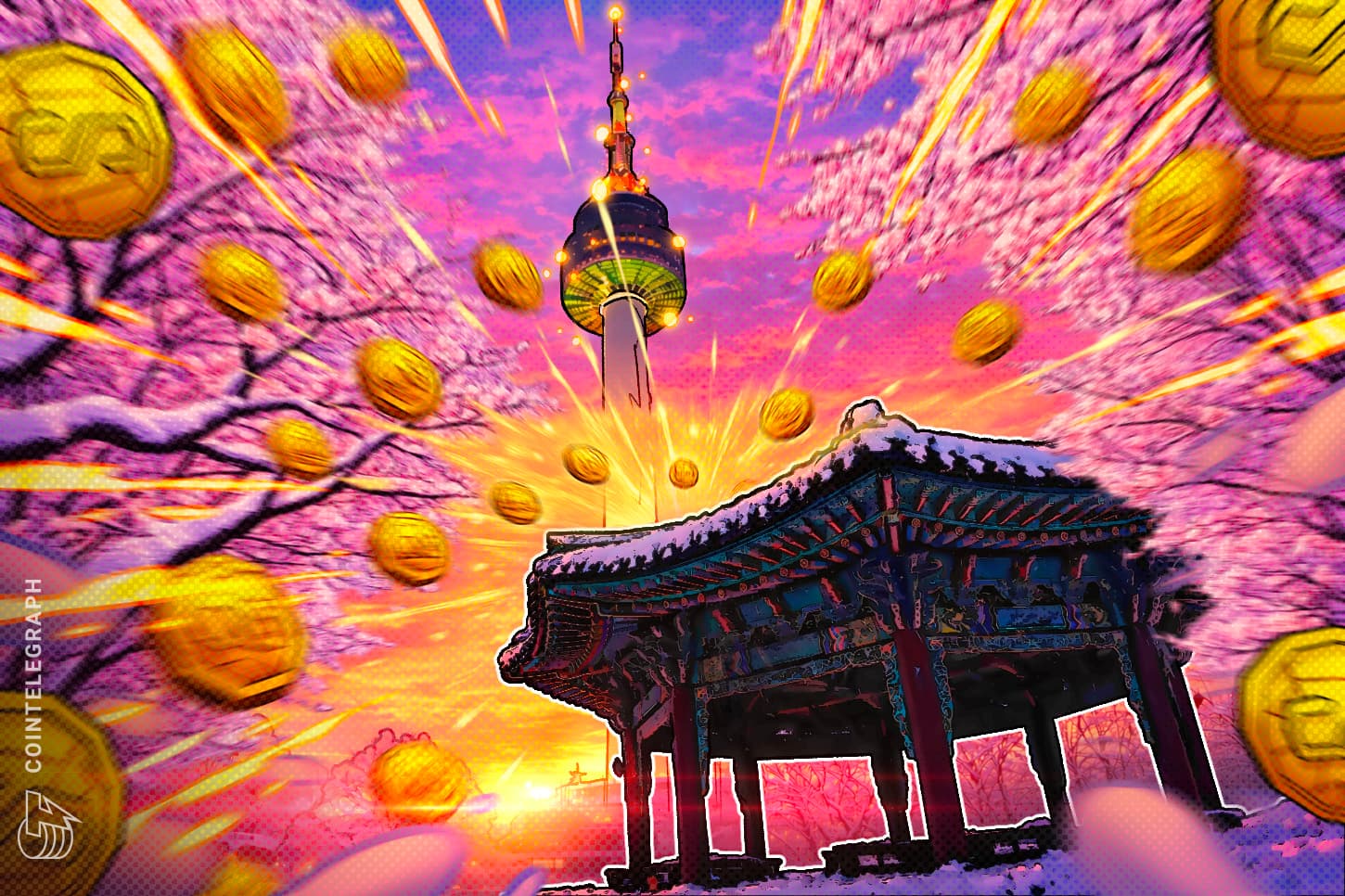
South Korea's Financial Services Commission has integrated token securities infrastructure into a comprehensive capital-market modernization initiative. The move signals the country's serious push to digitize its financial backbone while simultaneously normalizing digital asset trading through traditional regulatory channels.
The overhaul isn't just about crypto—it's a full-scale modernization package. Alongside token securities infrastructure, the plan addresses faster settlement cycles, extended trading hours, and broader digital transformation across the entire capital market ecosystem. This positions South Korea as one of the few nations actively weaving crypto infrastructure into existing financial regulatory frameworks rather than treating it as a parallel system.
What This Means for Token Markets
By embedding token securities into the capital-market modernization plan, South Korea is legitimizing blockchain-based securities as part of standard market infrastructure. This isn't a separate sandbox or experimental zone—it's mainstream integration. The move suggests regulators believe the infrastructure is mature enough to coexist with traditional equities and bonds.
The infrastructure piece matters here. Token securities require different settlement mechanisms, custody solutions, and trading infrastructure than traditional securities. By building this into a wider modernization effort, South Korea is ensuring compatibility between blockchain and conventional market systems rather than forcing them to operate in silos.
The Broader Context
South Korea has been cautiously pro-crypto while maintaining strict regulatory oversight. The FSC's decision to include token securities in capital-market reform reflects growing confidence that digital assets can be integrated into existing financial supervision frameworks. This contrasts sharply with some Western regulators who've treated crypto as fundamentally separate from traditional markets.
The timing matters too. As institutional crypto adoption accelerates globally and more traditional finance players enter the space, regulatory frameworks need to catch up. Faster settlement and longer trading hours benefit both crypto and traditional assets—these aren't crypto-specific upgrades, they're market-wide improvements that happen to enable better crypto integration.
What's Missing
The announcement leaves key questions unanswered: What's the timeline? How will custody standards be enforced? Will token securities fall under existing securities law or new rules? These details will determine whether this becomes meaningful infrastructure or remains largely symbolic.
The FSC's approach suggests they're thinking long-term about market structure rather than chasing quick regulatory wins. That's actually more sophisticated than what we're seeing in some other major economies.
Alpha Take
South Korea's move to integrate token securities into mainstream capital-market infrastructure represents a significant shift in how developed markets approach crypto regulation. Rather than containment or prohibition, this is mainstreaming—treating blockchain-based securities as legitimate financial instruments worthy of the same modernization investment as traditional markets. For traders and investors, this signals regulatory clarity is coming; for the crypto asset class broadly, it validates the infrastructure narrative. Watch for how other developed economies respond—this could become the template for mainstream crypto integration in traditional finance.
Originally reported by
CoinTelegraph
Not financial advice. Crypto investing involves significant risk. Past performance does not guarantee future results. Always do your own research.