
South Korea Pushes for Tougher Crypto Regulation: FIU Gets New Enforcement Teeth
South Korean lawmakers are moving to expand the Financial Intelligence Unit's authority over the country's sprawling unregistered crypto sector—a shift that signals the government's determination to crack down on shadow operators skirting compliance requirements. The proposal grants the FIU invest
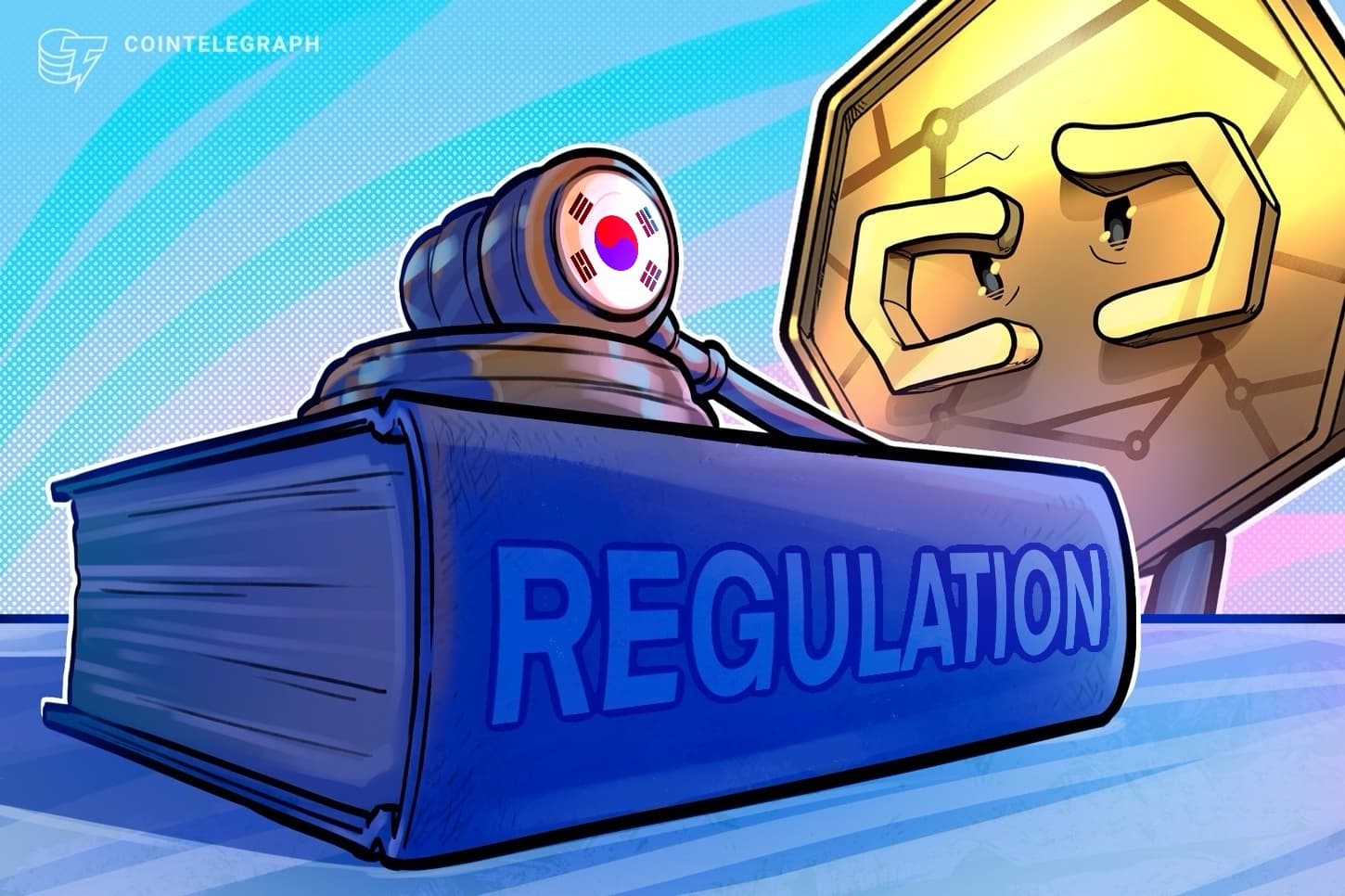
South Korean lawmakers are moving to expand the Financial Intelligence Unit's authority over the country's sprawling unregistered crypto sector—a shift that signals the government's determination to crack down on shadow operators skirting compliance requirements.
The proposal grants the FIU investigative powers to pursue suspected violations by unregistered cryptocurrency firms, with direct referral authority to law enforcement agencies. This represents a meaningful escalation in how Seoul plans to police its crypto market, one of the world's most active trading hubs.
The Current Gap
Right now, the FIU operates under constraints when dealing with unregistered crypto platforms. Without explicit investigative authority, the unit has limited tools to pursue operators who deliberately avoid registration or those conducting business outside regulatory frameworks. This creates enforcement gaps that sophisticated actors exploit. The new powers would close these loopholes by giving the FIU proactive investigation capabilities rather than just reactive oversight.
What the Proposal Changes
Under the expanded framework, the FIU can now directly refer unregistered crypto firms to law enforcement—eliminating bureaucratic delays and creating a cleaner enforcement pipeline. Think of it as upgrading from a warning system to an active prosecution track.
The timing matters. South Korea's crypto market has exploded in retail participation over the past few years, but infrastructure for regulation hasn't kept pace. Unregistered exchanges, token issuers, and custodians continue operating in gray zones, creating systemic risk and leaving investors exposed. Lawmakers are essentially saying: that stops now.
Market Implications
For traders and portfolio managers monitoring South Korean crypto activity, this is a structural headwind. Unregistered platforms won't disappear overnight, but expect a migration wave toward compliant operators. That consolidates liquidity and potentially increases trading costs in the short term.
The crypto analysis community has been watching South Korea's regulatory trajectory closely. The country represents roughly 5-10% of global crypto trading volume on any given day, making it material for market structure. Enforcement actions targeting major unregistered platforms could trigger volatility—particularly in altcoins and smaller tokens that rely on Korean retail demand.
Bitcoin and ethereum shouldn't be directly affected, but secondary tokens and DeFi protocols with Korean user concentrations could face headwinds if their primary distribution channels get shut down.
Broader Context
This move aligns with South Korea's broader shift toward stricter crypto oversight. Earlier regulatory efforts targeted exchange compliance, custody standards, and money laundering prevention. Expanding FIU powers represents the next phase: hunting down operators who dodge the system entirely.
The proposal reflects a pattern we're seeing globally—regulators moving from passive rule-setting to active enforcement. As crypto markets mature and regulatory agencies build capacity, the window for operating unregistered shrinks considerably.
Alpha Take
The expanded FIU authority is crypto negative in the short term but positive for market legitimacy long-term. Traders exposed to Korean exchanges should verify registration status and compliance posture immediately. For portfolio managers holding Korean-linked crypto assets, expect increased volatility as enforcement ramps up—but consolidation around regulated players typically strengthens market structure and reduces contagion risk.
Originally reported by
CoinTelegraph
Not financial advice. Crypto investing involves significant risk. Past performance does not guarantee future results. Always do your own research.