
South Korea's Central Bank Shifts Digital Currency Focus Away From Private Stablecoins
South Korea's banking leadership is drawing a clear line in the sand on digital assets. The Bank of Korea's newly appointed governor delivered a pointed message during their inaugural policy address: central bank digital currencies (CBDCs) represent the future, while privately-issued stablecoins re
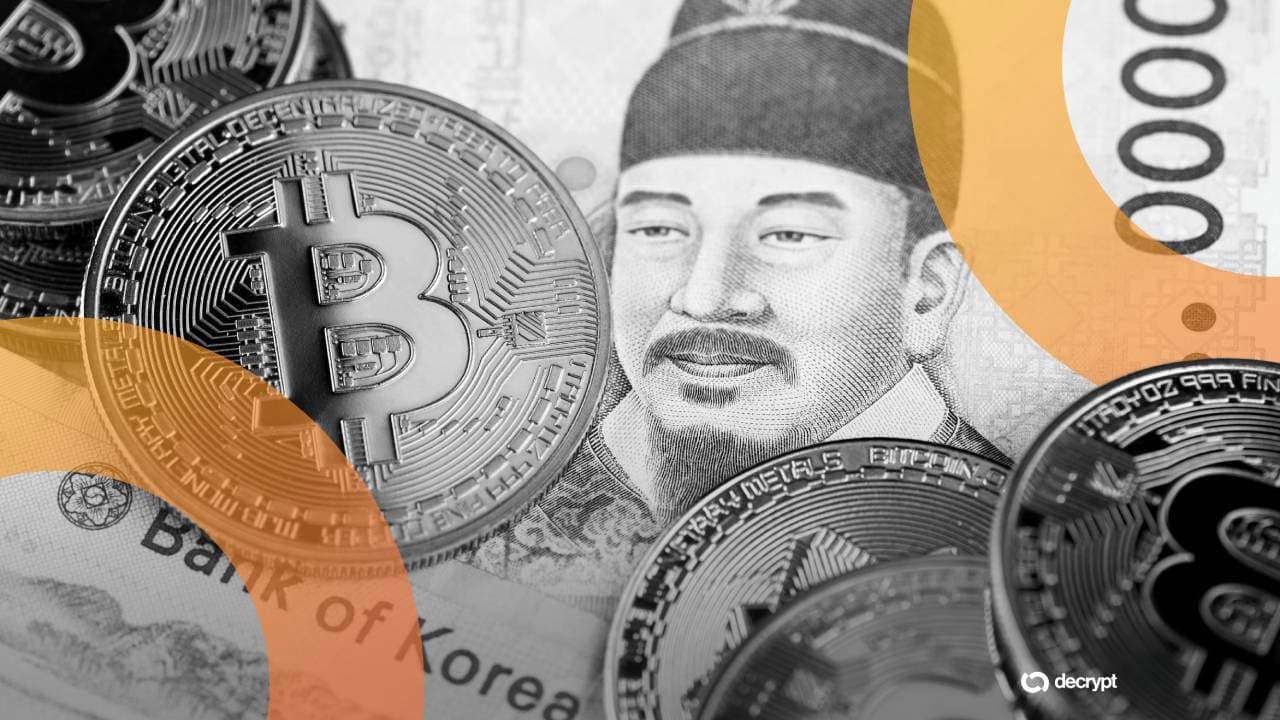
South Korea's banking leadership is drawing a clear line in the sand on digital assets. The Bank of Korea's newly appointed governor delivered a pointed message during their inaugural policy address: central bank digital currencies (CBDCs) represent the future, while privately-issued stablecoins remain a secondary concern.
This strategic pivot matters because it signals how Seoul plans to navigate the evolving crypto landscape—and it directly contradicts the lobbying efforts of blockchain companies pushing for regulatory clarity on stablecoin frameworks.
The CBDC Push Takes Center Stage
The governor emphasized that CBDCs should be the primary vehicle for digital finance innovation in South Korea's financial system. This isn't just rhetorical positioning. The Bank of Korea has been quietly building infrastructure for a potential digital won rollout, and this policy address confirms it's moving from exploration to serious preparation phases.
The timing is significant. While other central banks globally remain in pilot stages with their digital currencies, South Korea's commitment to prioritizing CBDC development suggests the nation wants to establish itself as a regional leader in central bank crypto innovation. This tracks with South Korea's broader digital economy ambitions and its position as a tech-forward nation.
Stablecoins Get the Cold Shoulder
Here's what's notable: the governor's remarks effectively deprioritized private stablecoin regulation—at least from the central bank's perspective. While the Bank of Korea isn't outright banning stablecoins, the message is unmistakable: don't expect us to champion your framework.
This creates a challenging environment for the crypto and blockchain sectors advocating for stablecoin policy clarity. Private stablecoin proponents have been pushing South Korean lawmakers to establish clearer rules around asset-backed tokens. Instead, they're getting institutional indifference at the highest levels of banking authority.
Legislative Gridlock Continues
The policy address arrives amid ongoing legislative debates about how South Korea should regulate private stablecoins. Parliament has been wrestling with competing interests: financial stability concerns, consumer protection demands, and pressure from the blockchain industry seeking operating certainty.
By publicly prioritizing CBDCs over private alternatives, the Bank of Korea governor has essentially tilted the negotiating table. Lawmakers now face clearer guidance about central banking priorities, which could reshape stablecoin discussion outcomes.
What This Means for Crypto Market Intelligence
For traders and portfolio managers tracking Korean crypto exposure, this development warrants attention. The CBDC emphasis suggests potential infrastructure buildout opportunities in blockchain technology and financial systems integration. Conversely, private stablecoin projects betting on Korean regulatory approval face headwinds.
The broader crypto analysis takeaway: governments worldwide are actively choosing CBDCs as their digital asset vehicle of choice. This preference pattern mirrors what we're seeing from central banks across Asia, Europe, and North America—central authority and control trump decentralized alternatives in official policy circles.
South Korea's new banking leadership has essentially ordered the financial sector to focus on what the government can directly control: central bank digital currencies backed by state authority.
Alpha Take
The Bank of Korea's prioritization of CBDCs over stablecoins reflects a global central banking trend toward state-controlled digital money. This creates trading implications for Korean fintech and blockchain infrastructure plays, while cooling prospects for private stablecoin regulation in the region. Watch legislative momentum on stablecoin frameworks—this policy address likely signals regulatory restrictions ahead rather than supportive frameworks.
Originally reported by
Decrypt
Not financial advice. Crypto investing involves significant risk. Past performance does not guarantee future results. Always do your own research.