
South Korea's Crypto Crackdown: 40 Market Manipulation Cases in Two Years
South Korea's Financial Services Commission has investigated 40 cases of cryptocurrency market manipulation since the Virtual Asset User Protection Act took effect two years ago, according to Chair Lee Eog-won. The disclosure marks a critical milestone in Seoul's evolving approach to crypto regula
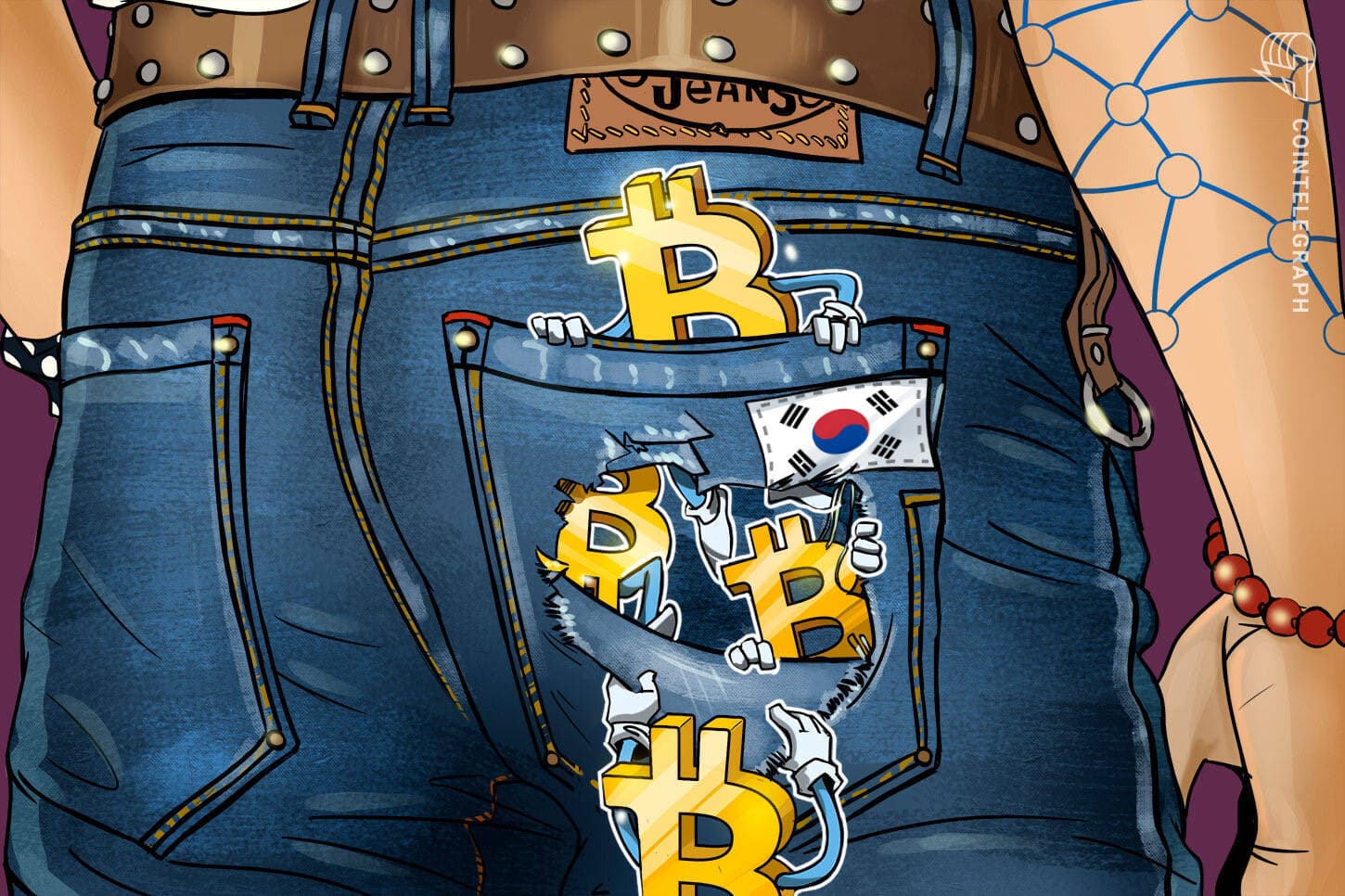
South Korea's Financial Services Commission has investigated 40 cases of cryptocurrency market manipulation since the Virtual Asset User Protection Act took effect two years ago, according to Chair Lee Eog-won.
The disclosure marks a critical milestone in Seoul's evolving approach to crypto regulation. By publicizing these enforcement numbers on the anniversary of the landmark legislation, Lee signaled that authorities aren't just writing rules—they're actively policing the space.
The Regulatory Push
The Virtual Asset User Protection Act represents South Korea's most comprehensive attempt to impose institutional guardrails on the crypto market. The law established clear compliance frameworks for exchanges, defined custody requirements, and created enforcement mechanisms for market abuse. These 40 cases demonstrate the FSC is deploying those tools aggressively.
What matters here: South Korea ranks among the world's most significant crypto markets. With major exchanges like Upbit and Bithumb operating from Seoul, any regulatory signal from the FSC carries outsized weight for traders globally. When Korean authorities move, market participants across Asia take notice.
Understanding the Enforcement Picture
Forty cases over two years sounds serious, but we need context. Are these cases involving billions in wash trading schemes, or smaller-scale pump-and-dump operations? The FSC hasn't provided granular breakdowns yet, leaving crypto analysts to fill in gaps.
What we know: crypto manipulation typically falls into predictable categories—wash trading (trading assets with yourself to inflate volume), spoofing (placing fake orders to create false price signals), and coordinated pump-and-dump schemes. South Korean regulators have cracked down on all three.
The enforcement momentum matters because it shapes behavior. Traders operating from Korea or targeting Korean markets now factor in real prosecution risk, not just theoretical regulatory threats.
Market Intelligence for Traders
For portfolio managers and institutional players, this enforcement data reveals something crucial: regulatory scrutiny is intensifying, not loosening. The 40-case figure suggests the FSC has dedicated resources to investigation and prosecution. That's different from countries where crypto oversight exists mostly on paper.
This also matters for ethereum, bitcoin, and altcoin analysis. When major markets like South Korea tighten enforcement, it typically precedes similar moves elsewhere. Regulators in other jurisdictions study each other's playbooks. If Seoul's approach works—stopping manipulation without crushing innovation—we'll likely see copycat frameworks emerge across APAC.
Alpha Take
South Korea's enforcement track record signals that authorities view crypto market integrity as a legitimate policy priority rather than a peripheral concern. Traders should expect regulatory actions against manipulation to increase globally as FSC-style frameworks proliferate. For portfolio construction, this environment favors exchanges and platforms with robust compliance infrastructure—regulatory risk premiums will compress for compliant players while discount market makers face margin pressure.
Originally reported by
CoinTelegraph
Not financial advice. Crypto investing involves significant risk. Past performance does not guarantee future results. Always do your own research.