
South Korea's Regulators Reconsider Crypto Market Making Ban as Stablecoin Volatility Raises Questions
South Korea's regulatory stance on crypto market making is facing a critical reassessment. The catalyst?
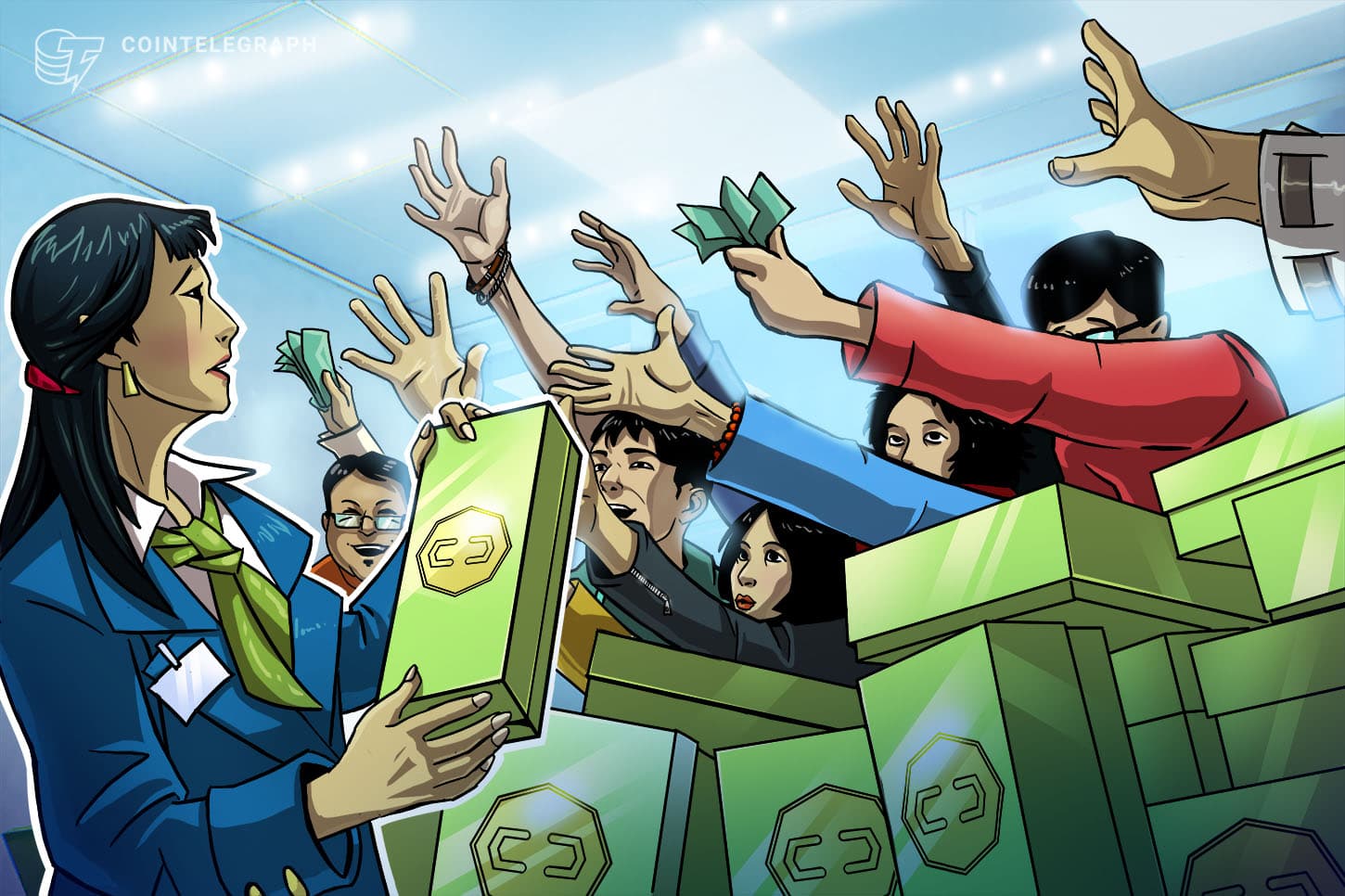
South Korea's regulatory stance on crypto market making is facing a critical reassessment. The catalyst? A dramatic price spike in JPYC that sent the Japanese yen-pegged stablecoin trading at 4 times its intended peg on Upbit earlier this month.
Currently, market making in South Korea's crypto markets operates under heavy restrictions tied to manipulation rules. These regulations have effectively constrained liquidity provision and price stabilization activities that market makers typically perform across other trading venues. But the JPYC incident is forcing Seoul to reconsider whether blanket restrictions actually protect investors—or simply create worse market conditions.
Here's what went down: JPYC, designed to maintain a 1:1 peg to the Japanese yen, became severely decoupled on Upbit. The stablecoin's price distortion highlighted a fundamental problem: without adequate market making, even stablecoins backed by major fiat currencies can experience wild volatility on Korean exchanges. This kind of price discovery failure doesn't just hurt traders caught on the wrong side—it undermines confidence in the entire crypto market infrastructure.
The Liquidity Problem
The tension here is real. South Korea implemented strict market manipulation rules to clamp down on wash trading and spoofing schemes that plagued crypto exchanges in the early 2020s. Regulators saw market making as a potential vector for abuse, so they restricted who could participate and under what conditions. But a decade into this market cycle, it's clear that artificial supply constraints create their own problems.
Stablecoin depegging is one of them. When you restrict professional liquidity providers from doing their job, you're left relying on retail traders to bridge the gap. That's inherently less efficient and creates opportunities for extreme price swings—exactly what happened with JPYC.
What Regulators Are Considering
South Korea's Financial Services Commission (FSC) and financial supervisory authorities are now evaluating whether to permit regulated market makers to operate under stricter compliance frameworks rather than outright prohibition. The thinking: better to have qualified institutional players managing liquidity under watchful eyes than to ban the practice entirely and watch markets fragment into worse conditions.
This reflects a broader regulatory maturation happening across Asia's crypto markets. As trading volumes have grown and more institutional capital has entered crypto, regulators are realizing that some market microstructure practices—when properly overseen—actually protect retail investors rather than harm them.
Alpha Take
South Korea's reconsideration of crypto market making rules highlights a critical policy paradox: overly restrictive regulations sometimes create worse outcomes than the problems they're designed to prevent. If Seoul moves toward a regulated market maker framework, it could stabilize stablecoin trading on Korean exchanges while generating a blueprint for other jurisdictions wrestling with similar questions. Watch for formal FSC guidance by Q2 2024—this decision could reshape how other Asian markets approach crypto liquidity provision and risk management frameworks.
Originally reported by
CoinTelegraph
Not financial advice. Crypto investing involves significant risk. Past performance does not guarantee future results. Always do your own research.