
Stablecoins Fill the Void: Bolivia Bets on USDT as Dollar Crisis Deepens
Bolivia's facing a currency crunch, and they're reaching for crypto. The South American nation is moving to officially recognize USDT (Tether) as a legitimate payment method, a practical acknowledgment that when traditional dollars vanish from circulation, stablecoins become the de facto currency o
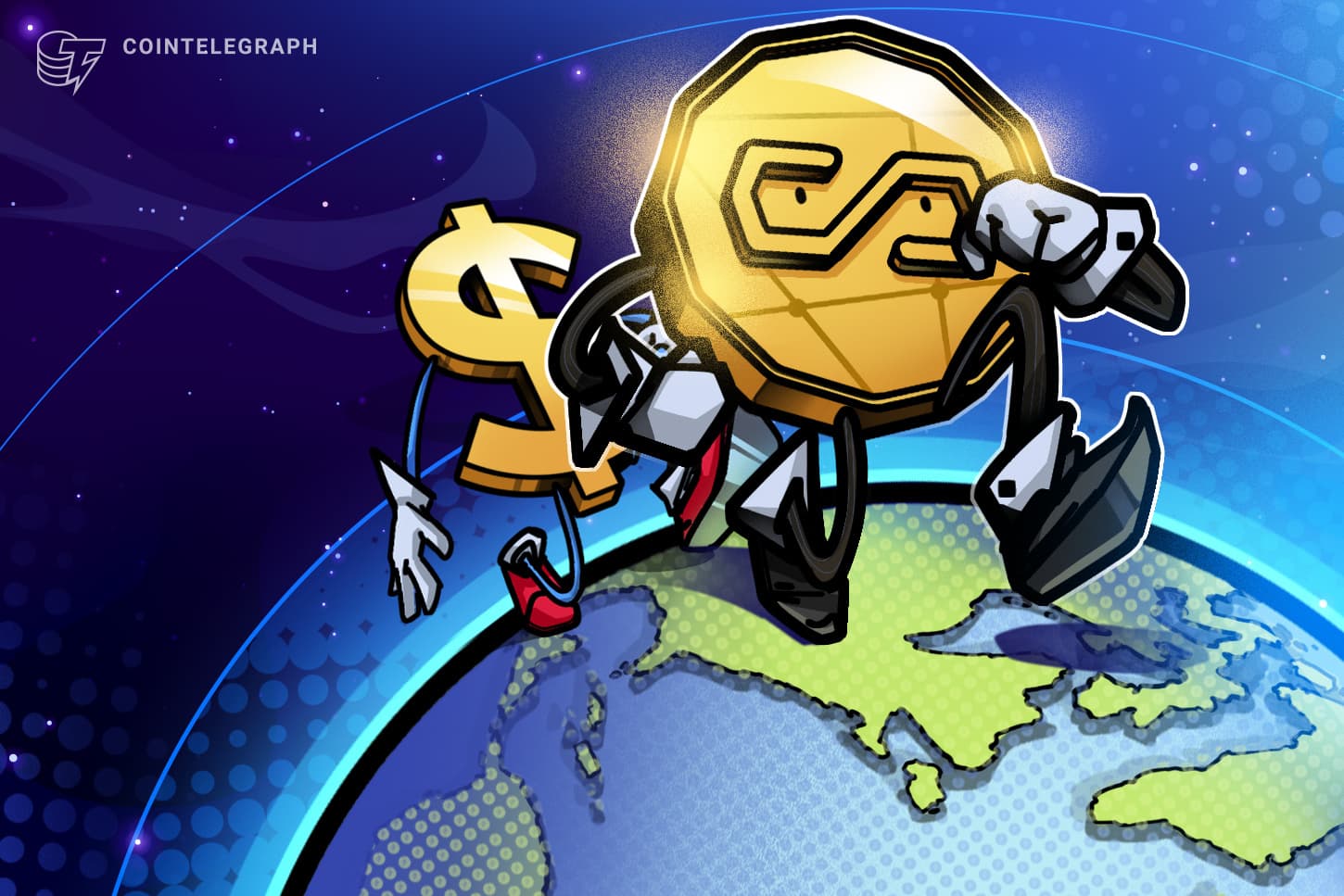
Bolivia's facing a currency crunch, and they're reaching for crypto. The South American nation is moving to officially recognize USDT (Tether) as a legitimate payment method, a practical acknowledgment that when traditional dollars vanish from circulation, stablecoins become the de facto currency of necessity.
This isn't ideological crypto evangelism—it's pragmatism. Bolivia's battling severe dollar shortages that have crippled local commerce. By legitimizing USDT, the government essentially admits that tether-backed digital dollars can do what their own central bank can't: provide stable, accessible value transfer. It's a validation that would've seemed fringe five years ago. Today, it's just economics.
The move underscores a growing reality we're tracking at Alpha Factory: stablecoins aren't just speculative trading vehicles anymore. They're becoming financial infrastructure in markets where traditional systems fail. When dollars physically can't reach people, USDT offers an alternative that works across borders, settles quickly, and maintains purchasing power. Bolivia's recognizing what hundreds of millions already know from Argentina to Nigeria—stablecoins fill real gaps.
Bitcoin Miners Chase AI, But Investors Pump the Brakes
Meanwhile, Bitcoin miners are chasing the next frontier: artificial intelligence. Several major mining operations are pivoting toward AI infrastructure, betting that compute power for cryptocurrency validation can double as AI training capacity. It's theoretically elegant—maximize hardware utilization across both markets.
But here's where it gets messy: investors are asking hard questions. Mining operations anchored to Bitcoin's volatility are suddenly carrying AI sector risk too. The sectors operate on different margins, timelines, and growth trajectories. Bitcoin mining is a commoditized business dependent on hash rate competition and energy costs. AI infrastructure is capital-intensive but potentially higher-margin. Mixing them creates execution risk that traders need to price in.
We're seeing institutional capital get cautious on pure-play Bitcoin mining stocks that are dabbling in AI. The concerns are legitimate: does management actually understand AI infrastructure? Can they execute in a space moving faster than crypto? Are they overextending balance sheets? These are questions that separate sophisticated portfolios from those chasing the AI zeitgeist.
Alpha Take
Bolivia's USDT recognition reflects real stablecoin utility emerging beyond trading speculation—this is the kind of adoption milestone that matters for long-term crypto viability. Bitcoin miners pivoting to AI is strategically tempting but operationally complex; investors should demand clarity on how companies plan to avoid becoming mediocre at both businesses. Watch whether major miners succeed in executing dual-platform strategies or whether market pressure forces them back to their core mining competency. Portfolio positioning should distinguish between Bitcoin's crypto fundamentals and the separate AI infrastructure narrative.
Originally reported by
CoinTelegraph
Not financial advice. Crypto investing involves significant risk. Past performance does not guarantee future results. Always do your own research.