
StarkWare Calls Out Crypto's Quantum Complacency—Here's Their Answer
StarkWare just dropped a reality check on the entire crypto industry, and it's blunt: we can't use external pressure as an excuse anymore. "The crypto industry shouldn't need wake-up calls from the White House or anyone else," StarkWare CEO Eli Ben-Sasson said directly.
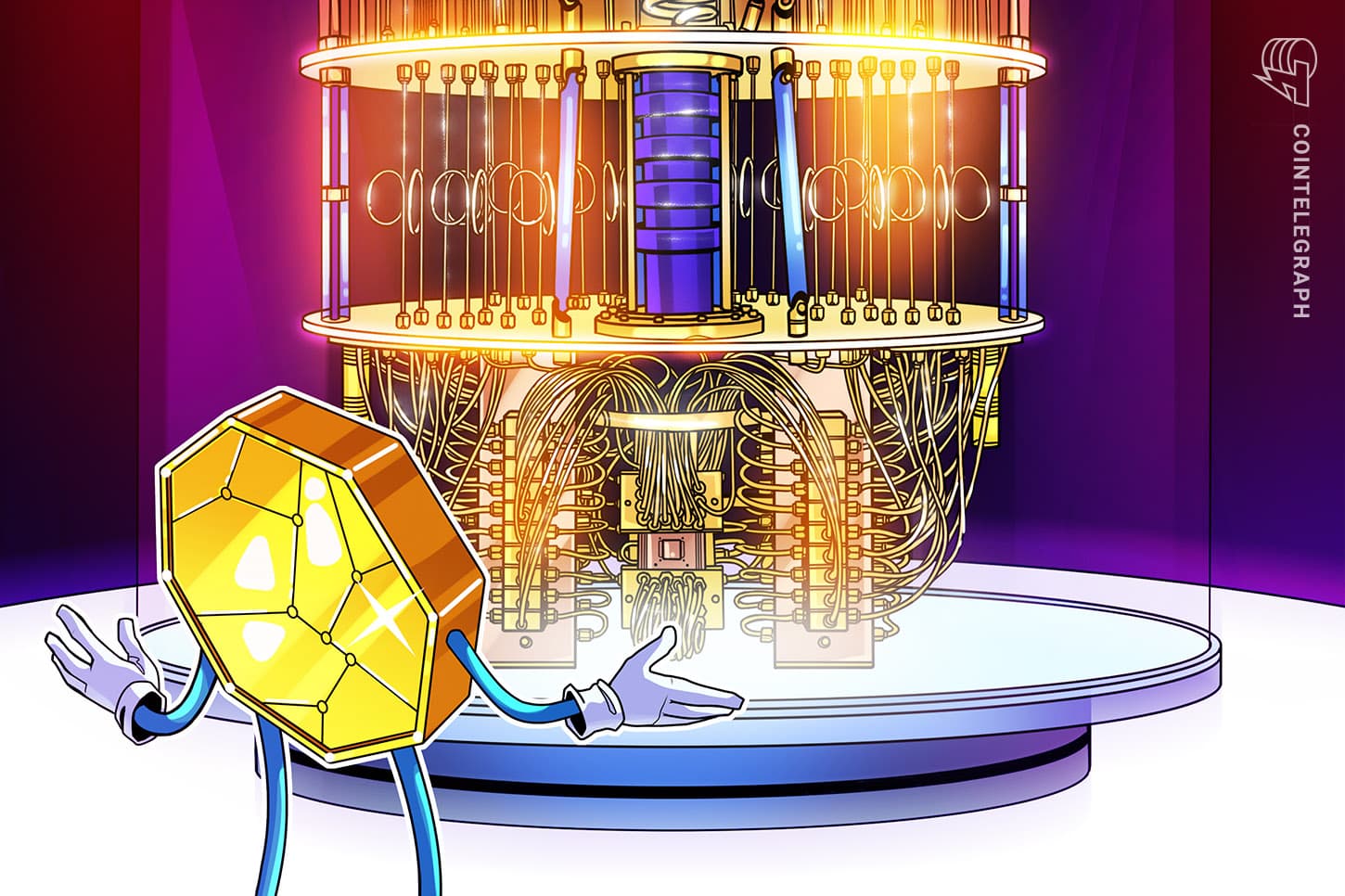
StarkWare just dropped a reality check on the entire crypto industry, and it's blunt: we can't use external pressure as an excuse anymore.
"The crypto industry shouldn't need wake-up calls from the White House or anyone else," StarkWare CEO Eli Ben-Sasson said directly. The message is clear—quantum computing threats to blockchain security have been on the radar long enough. Now it's time to act.
The company's quantum roadmap for Starknet represents a concrete pivot toward preparing infrastructure for a post-quantum world. While the exact details of their quantum-resistant architecture remain part of the broader strategy, this move signals that major crypto platforms are taking the threat seriously.
Why Now Matters
Quantum computing poses a genuine existential risk to current cryptographic standards. Bitcoin, Ethereum, and most major blockchains rely on elliptic curve cryptography and RSA encryption—both vulnerable to sufficiently advanced quantum computers. The timeline remains uncertain, but that uncertainty itself creates urgency. We're talking about protecting trillions in value across crypto markets and institutional portfolios.
Ben-Sasson's pushback against waiting for government mandates cuts deeper than typical crypto libertarianism. He's essentially saying: this isn't a regulatory problem. It's an engineering problem that the industry should solve proactively rather than reactively.
Starknet's Position
Starknet, built on StarkWare's STARK (Scalable, Transparent, and ARgument of Knowledge) cryptography, already operates with different cryptographic primitives than traditional blockchains. That architectural advantage positions them ahead of the curve on quantum resistance compared to platforms still dependent on legacy elliptic curve systems.
The roadmap announcement suggests StarkWare is mapping out migration pathways and security upgrades to ensure Starknet remains viable in a quantum-capable future. For crypto investors and portfolio managers, this matters—it indicates which Layer 2 solutions and scaling platforms are thinking 10 steps ahead versus treating quantum threats as abstract future problems.
The Broader Crypto Implication
This isn't just about Starknet. The quantum roadmap speaks to a larger maturation in the blockchain industry. Major trading platforms and institutions holding crypto assets need assurance that their holdings won't become retroactively vulnerable to decryption. Ben-Sasson's stance reflects that reality: quantum readiness will become table stakes for credible blockchain infrastructure.
The White House concern he referenced reflects genuine government interest in blockchain security standards. But StarkWare's message—that crypto should get ahead of this without being pushed—suggests the industry is recognizing that self-regulation on critical infrastructure matters beats mandatory compliance later.
Alpha Take
StarkWare's quantum roadmap isn't just technical posturing; it's a competitive signal that quantum resistance will differentiate winners from losers in the Layer 2 and scaling race. Investors tracking long-term crypto infrastructure bets should monitor which platforms commit real engineering resources to post-quantum cryptography versus those treating it as theoretical. The window to upgrade gracefully closes faster than most realize.
Originally reported by
CoinTelegraph
Not financial advice. Crypto investing involves significant risk. Past performance does not guarantee future results. Always do your own research.