
Taiwan's Historic Crypto Regulation: What the New Licensing Framework Means for Asia's Digital Asset Market
Taiwan just made a decisive move that'll reshape how crypto operates in one of Asia's most important tech hubs. The island nation passed comprehensive legislation that brings virtual asset firms squarely under Financial Supervisory Commission (FSC) oversight—a first for the region and a signal that
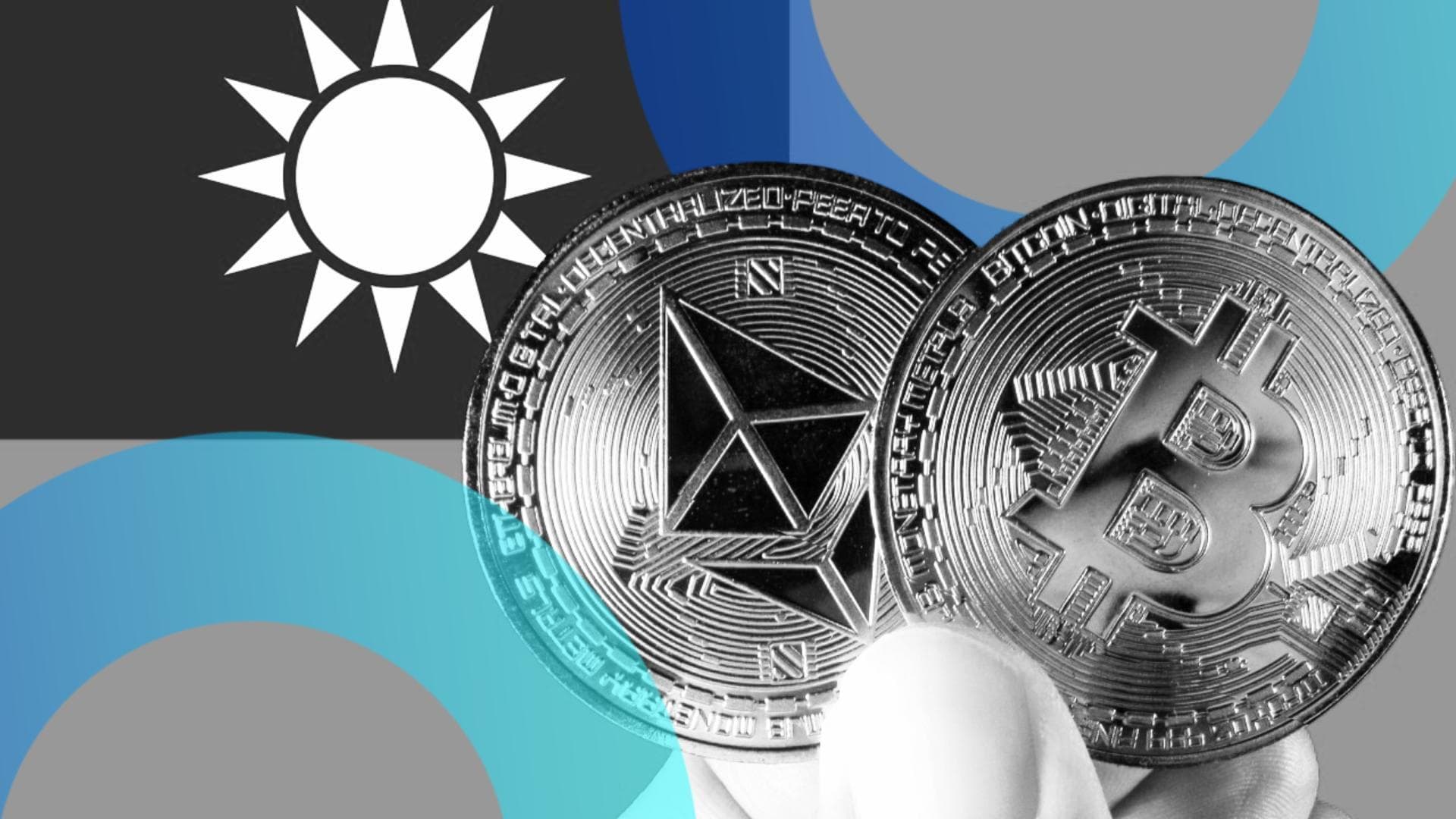
Taiwan just made a decisive move that'll reshape how crypto operates in one of Asia's most important tech hubs. The island nation passed comprehensive legislation that brings virtual asset firms squarely under Financial Supervisory Commission (FSC) oversight—a first for the region and a signal that regulatory frameworks are maturing across Asia.
Here's what matters: The new law establishes formal licensing requirements for crypto exchanges and digital asset service providers, ending the gray zone that's defined Taiwan's crypto market until now. This isn't light-touch regulation. We're talking mandatory compliance frameworks, operational standards, and FSC supervision that will fundamentally change how platforms operate on the island.
The Stablecoin Crackdown
The legislation includes bite—specifically around stablecoins. Issuers now face reserve and trust requirements designed to back their tokens with actual assets. This addresses the core risk that blew up the broader crypto ecosystem: stablecoins operating without adequate collateral or transparency. Taiwan's approach mirrors emerging global standards around reserve adequacy, forcing issuers to prove they can meet redemption obligations.
The reserve rules are granular. Stablecoin issuers must maintain sufficient backing in approved assets, with regular audits and disclosure requirements. This creates accountability that's been absent in many crypto markets. For traders and investors, it theoretically reduces counterparty risk—though enforcement will be the real test.
Why This Matters Beyond Taiwan
Taiwan's regulatory move comes as crypto jurisdictions worldwide race to establish baseline standards. The U.S. is still debating comprehensive crypto legislation. Europe has MiCA. Now Taiwan joins Singapore and Hong Kong in creating Asia-specific frameworks that balance innovation with investor protection.
The FSC oversight mechanism is particularly significant. It creates a single regulatory authority rather than fragmented oversight, reducing compliance costs for platforms willing to operate legitimately. It also means Taiwan can coordinate with other major Asian regulators—critical as crypto markets become increasingly interconnected across borders.
Market Implications
For crypto trading platforms and service providers already operating in Taiwan, the law forces a decision: get licensed or exit. This consolidation actually benefits established players who can absorb compliance costs. Smaller or marginal operators will likely withdraw from the market.
For portfolio managers and institutional investors, formal regulation actually increases confidence. You know who's operating, under what rules, and with what oversight. The licensing framework creates audit trails and accountability—essential infrastructure for serious money entering the space.
The stablecoin rules matter most for traders using USDT, USDC, or other pegged assets for trading pairs and liquidity. Taiwan's requirements could force some stablecoin issuers to prove reserve adequacy or face market restrictions. This adds friction short-term but strengthens the infrastructure long-term.
Alpha Take
Taiwan's comprehensive crypto law represents the Asia-Pacific region maturing its regulatory posture. FSC oversight plus stablecoin reserve requirements create a framework that favors compliant operators while cleaning out bad actors. For crypto traders and portfolio managers watching Asian exposure, this signals stability—but also means fewer unregulated options going forward. Watch for compliance timelines and which platforms pursue Taiwan licensing; that'll reveal who's serious about legitimate crypto market infrastructure.
Originally reported by
Decrypt
Not financial advice. Crypto investing involves significant risk. Past performance does not guarantee future results. Always do your own research.