
Taylor Swift Files Trademark Claims on Her Voice and Likeness—A Crypto-Age Defense Strategy
Taylor Swift is taking proactive legal steps to protect her identity in an era where AI image generation has become sophisticated enough to create convincing deepfakes. The singer has filed trademark applications covering her voice and image, a strategic move designed to give her stronger legal gro
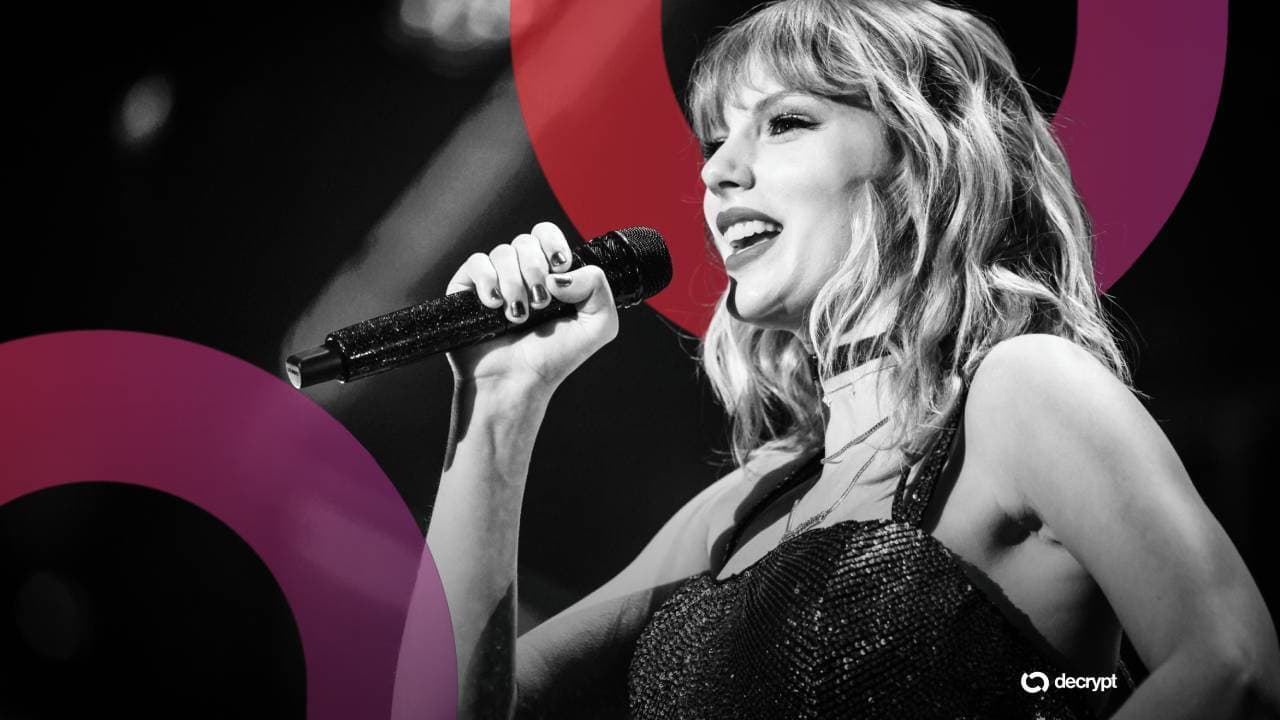
Taylor Swift is taking proactive legal steps to protect her identity in an era where AI image generation has become sophisticated enough to create convincing deepfakes. The singer has filed trademark applications covering her voice and image, a strategic move designed to give her stronger legal grounds to combat unauthorized AI-generated content.
The Deepfake Problem Gets Real
We're watching a critical intersection emerge between entertainment IP and emerging technology. As generative AI tools proliferate across crypto-adjacent platforms and decentralized networks, the ability to create convincing synthetic media has accelerated dramatically. Swift's move reflects a broader industry concern: without clear trademark protection, celebrities face an uphill battle when pursuing legal action against deepfake creators.
The trademark applications represent a fundamental shift in how public figures must now approach personal brand protection. By securing formal trademark status on her distinctive vocal characteristics and visual likeness, Swift establishes clearer legal precedent for takedown notices and litigation against deepfake operators. This matters especially as AI-generated content increasingly appears on platforms we cover in crypto market intelligence—from Discord communities to decentralized social networks.
Why This Matters for Crypto Markets
The connection to crypto trading and portfolio management might seem tangential, but it's not. Deepfakes and synthetic media increasingly weaponize celebrity personas for pump-and-dump schemes, fake endorsements, and market manipulation. We've documented cases where AI-generated videos of prominent figures supposedly endorsing crypto projects drive retail investment decisions.
Swift's trademark strategy establishes a legal framework that could trickle down through entertainment and influencer culture. If successful, her approach creates a template for other high-profile figures to follow—which has direct implications for crypto market intelligence professionals monitoring influencer-driven trading activity.
The Trademark Advantage
By filing these applications, Swift gains several tactical advantages. Trademark registration provides federal protection, makes enforcement easier, and allows for broader legal interpretation of what constitutes infringement. Courts recognize trademark violation more readily than they do copyright or right-of-publicity claims in many jurisdictions. This is critical because deepfake creators often operate in legal gray zones where attribution and originality are murky.
The applications also send a clear message to platforms and AI companies: unauthorized use of Swift's voice or image comes with legal consequences. We expect similar moves from other celebrities, athletes, and public figures—particularly those with substantial fan bases in digital-native communities where deepfakes spread fastest.
Alpha Take
Swift's trademark filings represent the emerging legal infrastructure needed to combat AI-driven identity theft and market manipulation. For crypto traders and portfolio managers, this signals that regulatory frameworks around AI-generated content will continue hardening. Watch for similar trademark filings from other celebrities—they'll likely precede broader legislative action on synthetic media disclosure. Smart money is already positioning around this theme: companies offering AI detection tools and identity verification solutions are gaining serious traction in institutional crypto circles.
Originally reported by
Decrypt
Not financial advice. Crypto investing involves significant risk. Past performance does not guarantee future results. Always do your own research.