
Telegram Founder Denies Terrorist Label After Rejecting Russian Surveillance Demands
Pavel Durov, the founder of Telegram, has directly attributed his designation as a terrorist by Russian authorities to his refusal to comply with government demands for mass surveillance capabilities and content censorship on the messaging platform. In a statement addressing the recent designation
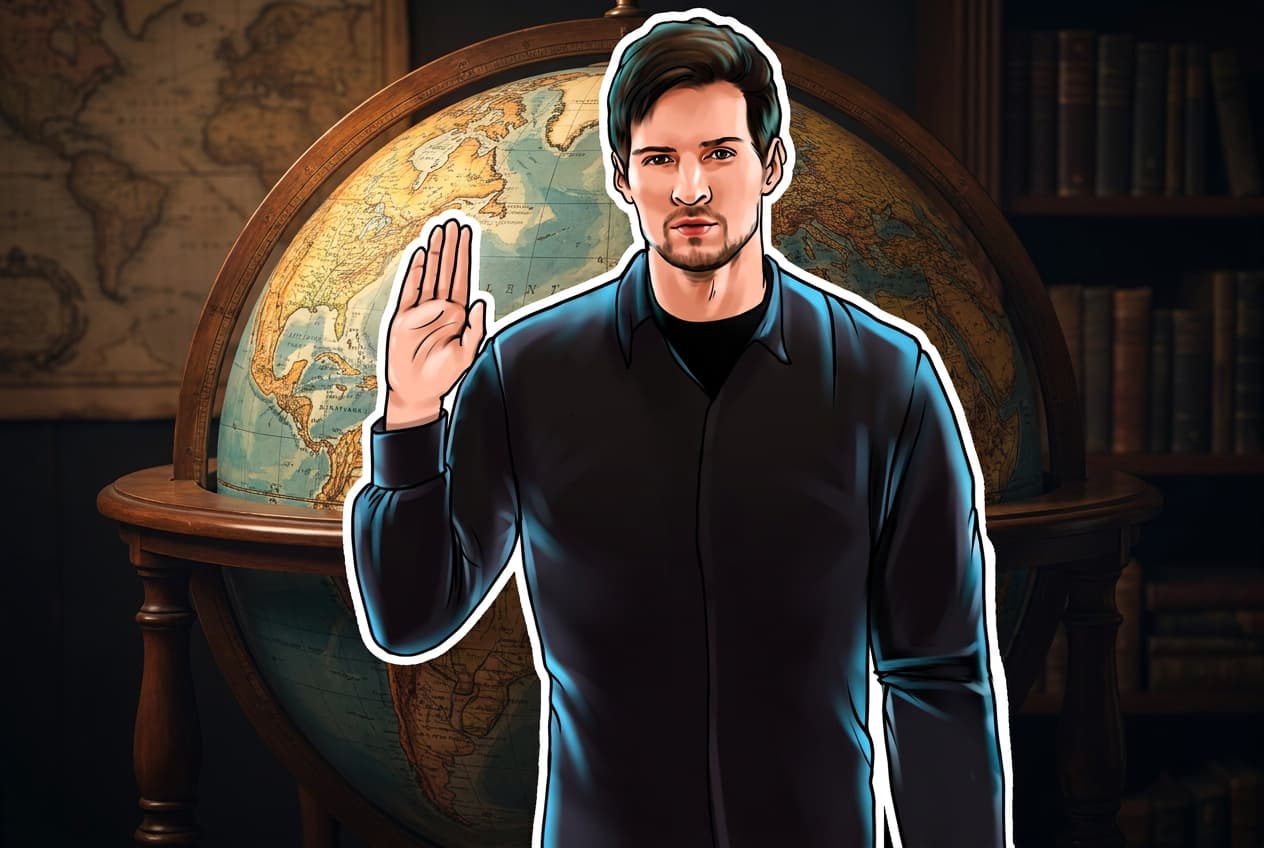
Pavel Durov, the founder of Telegram, has directly attributed his designation as a terrorist by Russian authorities to his refusal to comply with government demands for mass surveillance capabilities and content censorship on the messaging platform.
In a statement addressing the recent designation, Durov clarified the circumstances that led to Russia's decision. The move came after years of tension between the Telegram founder and Russian officials who sought backdoor access to user communications and the ability to suppress content on the platform.
"Russia designated me a terrorist because I refused government demands for mass surveillance and censorship," Durov explained, connecting the dots between his principled stance on privacy and the severe penalty imposed by Moscow.
The Surveillance Standoff
The conflict represents a fundamental clash between privacy advocates and state control. Russian authorities have long pursued ways to monitor encrypted communications and control narratives on digital platforms. Telegram, with its end-to-end encryption and massive user base spanning Eastern Europe, posed a particular challenge to these objectives.
Durov's resistance wasn't arbitrary—it reflected his core philosophy regarding user privacy and platform independence. Rather than capitulating to demands that would compromise Telegram's security infrastructure, he maintained the platform's encryption standards and refused to implement censorship tools that would grant Russian officials unprecedented access to communications.
Implications for Crypto and Digital Privacy
This development carries broader significance for the crypto and blockchain community, where privacy, decentralization, and resistance to government overreach remain central tenets. The designation underscores how governments worldwide are increasingly hostile toward platforms and technologies that prioritize user autonomy over state surveillance capabilities.
Telegram itself has become a critical communication channel in the crypto ecosystem. Traders, developers, and crypto communities rely on the platform for real-time market intelligence and portfolio updates. A successful precedent of forcing backdoors into encrypted platforms could have cascading effects on other privacy-focused technologies and applications.
Broader Context
The designation places Durov in a precarious position globally. While the terrorist label may carry limited immediate consequences outside Russian jurisdiction, it signals Moscow's willingness to weaponize legal designations against those who resist state demands. This approach mirrors tactics used by authoritarian regimes to marginalize dissent and control information flows.
For Telegram users and the broader crypto market intelligence community, the situation raises important questions about platform resilience, jurisdiction risks, and the sustainability of privacy-focused infrastructure under geopolitical pressure.
Alpha Take
Durov's stance exemplifies the ongoing tension between privacy infrastructure and state control—a dynamic that directly impacts crypto markets and trading platforms. The terrorist designation is less about genuine security concerns and more about punishing noncompliance with surveillance demands. Investors should monitor how this plays out globally, as similar pressure campaigns against privacy-focused technologies could reshape the crypto ecosystem's communication infrastructure and market data flows.
Originally reported by
CoinTelegraph
Not financial advice. Crypto investing involves significant risk. Past performance does not guarantee future results. Always do your own research.