
Telegram Prepping Native Gram Wallet: Durov Eyes Crypto Self-Custody for 1B+ Users
Pavel Durov isn't waiting around. The Telegram founder just announced that the messaging giant will launch a native non-custodial Gram wallet sometime this summer—a move that could fundamentally shift how its 1 billion-plus user base interacts with crypto assets.
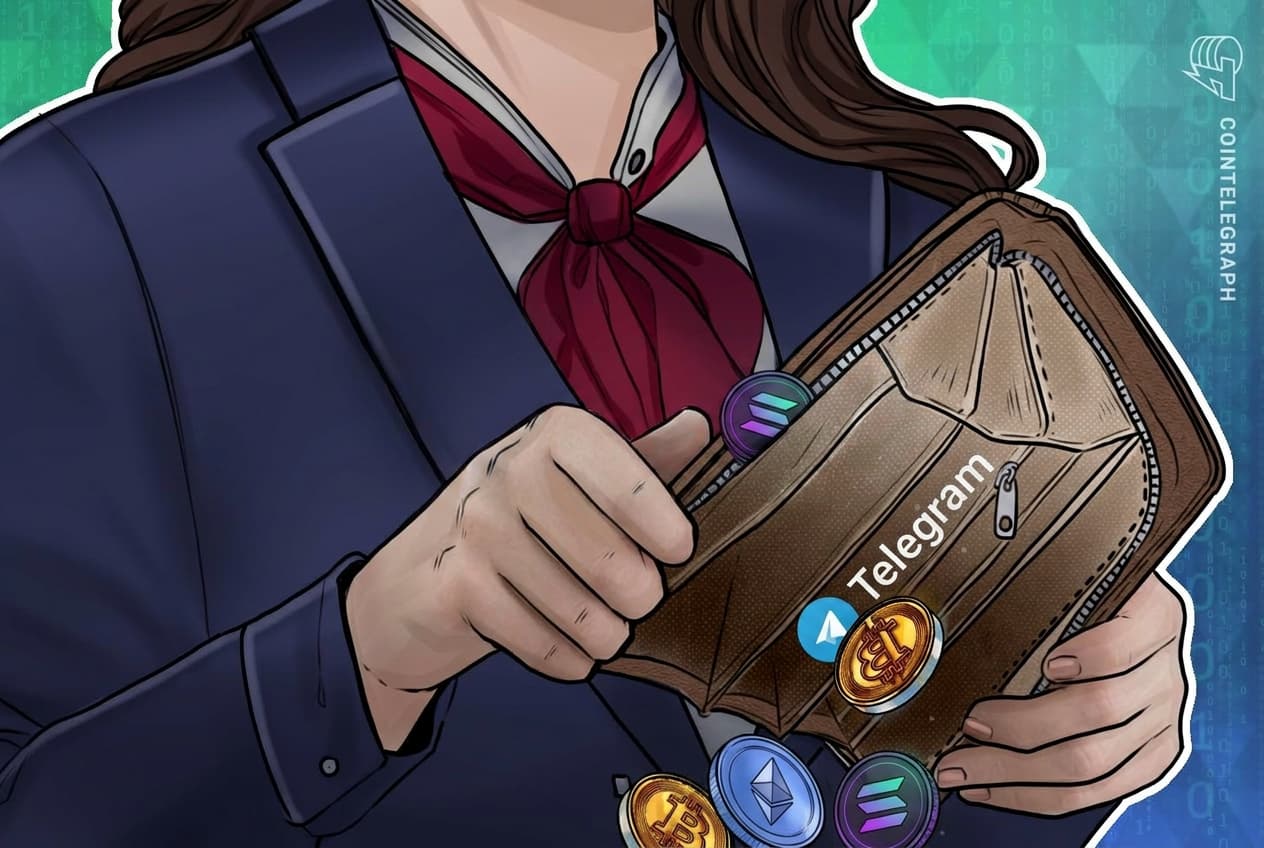
Pavel Durov isn't waiting around. The Telegram founder just announced that the messaging giant will launch a native non-custodial Gram wallet sometime this summer—a move that could fundamentally shift how its 1 billion-plus user base interacts with crypto assets.
Here's what matters: Durov is positioning Telegram as more than a chat app. A non-custodial wallet means users maintain complete control of their private keys and funds without relying on Telegram as an intermediary. This is a significant distinction in the crypto space, where custody arrangements often determine security risk profiles.
The Self-Custody Play
The rollout strategy speaks volumes about Telegram's crypto ambitions. By integrating a native wallet directly into the platform, Durov is removing friction between communication and cryptocurrency transactions. Users won't need to jump between apps or manage multiple wallets—everything happens within the ecosystem they already use daily.
Non-custodial architecture matters here. Unlike centralized exchanges that hold your assets, users will own their Gram tokens outright. That means Telegram itself can't freeze accounts, confiscate funds, or restrict access. For a platform with global reach, this carries real implications for financial sovereignty.
Scale Potential
We're talking about unprecedented reach in crypto adoption. Telegram's 1 billion-plus active users represent a massive addressable market for blockchain transactions. If even a fraction migrate to the native wallet, we're looking at serious volume and liquidity implications for Gram as an asset and the broader crypto trading ecosystem.
The timing—launching this summer—suggests Durov wants to capitalize on the current crypto cycle before market conditions shift. We've seen platform tokens and crypto infrastructure play out before; the first-mover advantage in wallet adoption among massive user bases typically wins long-term.
Strategic Implications
This announcement slots into a broader narrative about decentralized finance and messaging protocol integration. Durov has consistently positioned Telegram as a platform for financial freedom, particularly in regions with restricted banking access. Adding Gram wallet functionality directly supports that mission.
From a crypto analysis perspective, this move could trigger renewed interest in Gram as a tradeable asset. The fundamentals change when you're not just talking about a token—you're embedding it into a communication platform used by over 1 billion people. That's distribution power that most blockchain projects can only dream about.
The market intelligence angle: watch how this unfolds relative to other major platforms exploring crypto integration. If Telegram executes cleanly, it sets a template for how mega-scale user bases can onboard to self-custody crypto infrastructure without traditional intermediaries.
Alpha Take
The Gram wallet launch represents a meaningful inflection point for mainstream crypto adoption through existing platforms rather than new blockchain-native apps. If Telegram delivers a user-friendly, secure non-custodial experience to its massive audience this summer, we could see measurable shifts in how financial transactions route through decentralized networks. Monitor trading volume and Gram activity metrics as launch approaches—early adoption momentum from this wallet rollout could reshape the crypto market's institutional and retail participation dynamics.
Originally reported by
CoinTelegraph
Not financial advice. Crypto investing involves significant risk. Past performance does not guarantee future results. Always do your own research.