
Tether Enters Bitcoin Mining Hardware Space With Modular Rig Strategy
Tether, the stablecoin powerhouse behind USDT, is making a strategic pivot into Bitcoin mining infrastructure. The company has partnered with hardware manufacturers Canaan and ACME Swisstech to engineer a new generation of modular, upgradable mining rigs—a move that signals where the smart money se
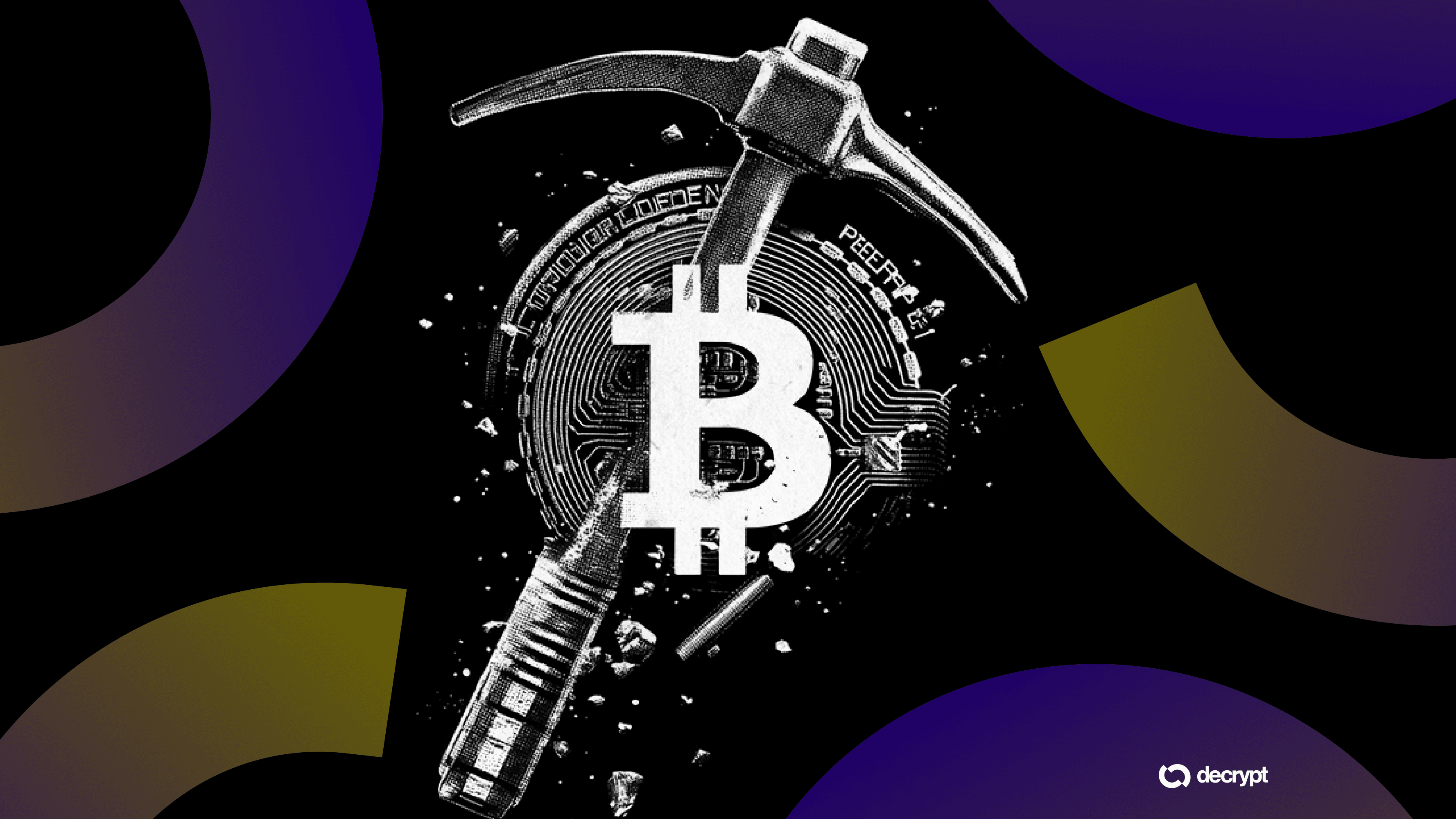
Tether, the stablecoin powerhouse behind USDT, is making a strategic pivot into Bitcoin mining infrastructure. The company has partnered with hardware manufacturers Canaan and ACME Swisstech to engineer a new generation of modular, upgradable mining rigs—a move that signals where the smart money sees long-term value in crypto.
Why This Matters for Bitcoin's Future
Here's the play: Tether's backing gives this initiative serious credibility. The stablecoin giant controls the rail system that moves trillions in crypto trading volume. Now they're building tools to secure the Bitcoin network itself. This isn't just another hardware announcement—it's a vertically integrated strategy from one of crypto's most influential players.
The modular design is the real innovation here. Instead of miners getting locked into static hardware that becomes obsolete, Tether's partnership aims to create rigs that evolve. Components upgrade. Architecture adapts. Efficiency improves without total replacement. For large-scale mining operations, this translates to lower total cost of ownership and faster ROI cycles.
The Partnership Breakdown
Canaan brings decades of ASIC design expertise. ACME Swisstech adds precision engineering and manufacturing know-how. Tether? They bring distribution channels, capital, and relationships across the entire crypto ecosystem. It's a calculated collaboration—each partner fills critical gaps in bringing production-grade hardware to market quickly.
The modular approach matters because Bitcoin mining hardware faces relentless obsolescence pressure. New chip architectures emerge. Energy efficiency breakthroughs happen. Today's top-tier rig becomes tomorrow's paperweight. By building swappable components into the system, Tether's hardware could actually extend its competitive lifespan—a rare achievement in the mining equipment space.
The Bigger Picture
This move reflects broader consolidation in crypto infrastructure. Tether isn't just managing stablecoins anymore. They're positioning themselves as a full-stack player: handling liquidity, managing reserves, and now, securing Bitcoin's hash rate. It's a natural evolution for a company sitting at crypto's commercial center.
For miners, the timing is strategic. Bitcoin's halving cycle approaches, which typically compresses margins. Hardware that operates more efficiently becomes a margin-preserver. Modular rigs that don't require complete replacement cycles give operators more flexibility to optimize profitability across different market conditions.
The partnership also hints at Tether's confidence in Bitcoin's long-term value proposition. You don't invest in mining infrastructure if you're bearish on the asset. This is conviction capital—putting resources behind actual network security rather than just stablecoin issuance.
Alpha Take
Tether's entry into modular mining hardware represents a significant vertical integration play within crypto infrastructure. By combining USDT's market dominance with purposeful hardware innovation, they're betting on sustained Bitcoin relevance and attempting to solve the hardware obsolescence problem plaguing miners. Watch for announcement of production timelines and pricing—those details will reveal how seriously this disrupts the existing mining equipment market. For traders, this signals institutional-grade confidence in Bitcoin's future and suggests Tether's long-term strategy involves deeper entrenchment in crypto's fundamental layer.
Originally reported by
Decrypt
Not financial advice. Crypto investing involves significant risk. Past performance does not guarantee future results. Always do your own research.