
Tether Executes Major USDT Freeze as Law Enforcement Coordination Intensifies
Tether has executed one of its most significant asset freezes to date, immobilizing $344 million in USDT stablecoins identified as connected to illicit activity. The action marks a critical moment in how crypto infrastructure is responding to regulatory pressure and law enforcement requests.
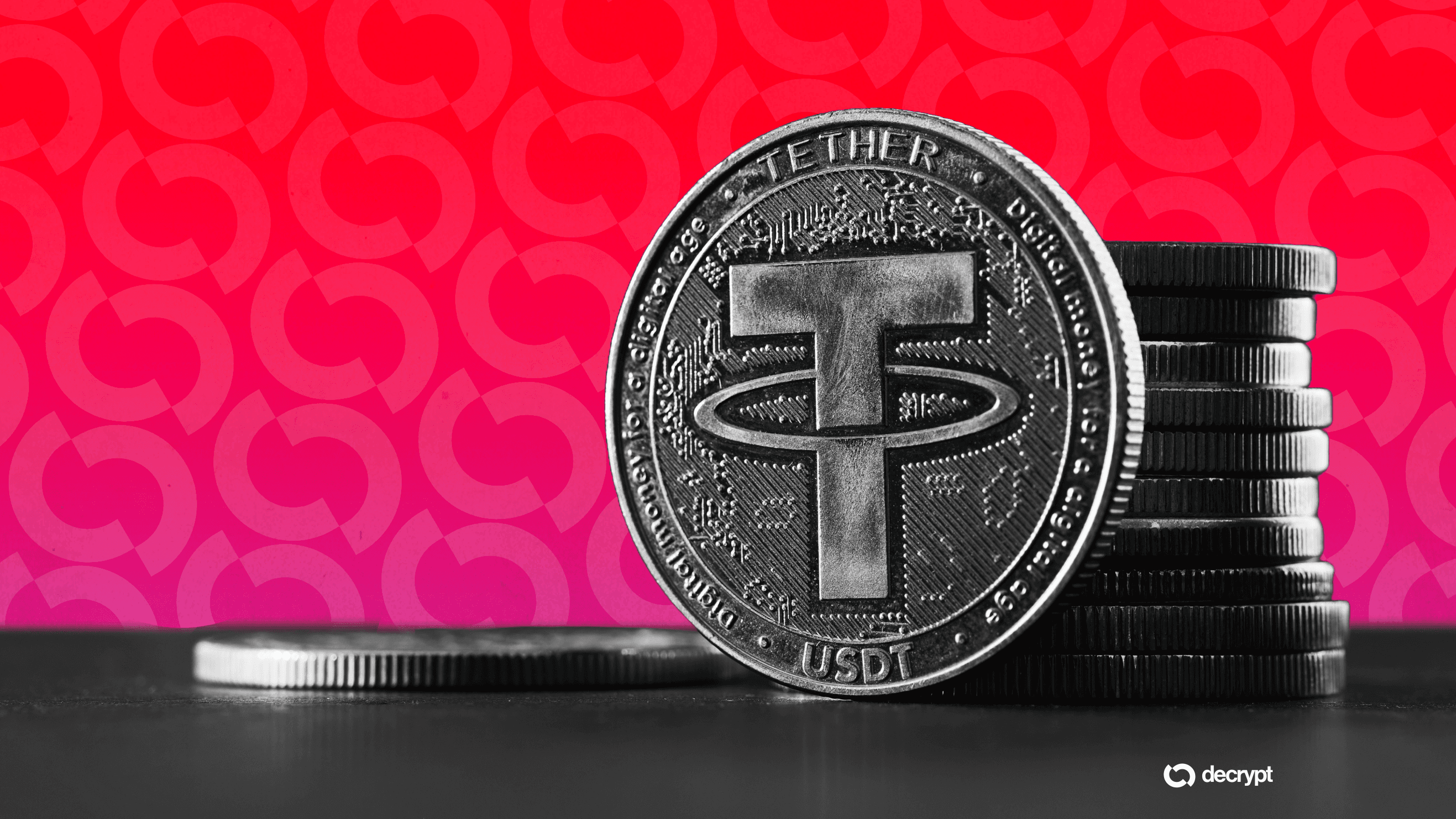
Tether has executed one of its most significant asset freezes to date, immobilizing $344 million in USDT stablecoins identified as connected to illicit activity. The action marks a critical moment in how crypto infrastructure is responding to regulatory pressure and law enforcement requests.
The Freeze Details
The stablecoin issuer coordinated directly with U.S. authorities to implement this freeze—a move that underscores the evolving relationship between major crypto platforms and government agencies. While Tether didn't disclose specific details about the illicit activity triggering the action, the scale of the freeze ($344 million) signals serious concern about the flagged addresses.
This represents one of Tether's largest enforcement actions since USDT became the dominant stablecoin in crypto trading. For context, Tether's total market cap hovers around $120+ billion, meaning this single freeze represents roughly 0.3% of circulating supply.
What This Means for Crypto Markets
Here's what traders and portfolio managers need to absorb: stablecoins are no longer a regulatory gray zone. When Tether freezes assets on this scale, it's broadcasting that centralized stablecoin issuers can and will comply with law enforcement. This reality reshapes how we think about USDT's utility in certain trading scenarios.
The freeze also highlights a fundamental vulnerability in the stablecoin ecosystem. Unlike decentralized alternatives, USDT operates on centralized rails where Tether maintains the ability to blacklist addresses. For crypto analysts tracking systemic risk, this is worth monitoring closely.
The Regulatory Backdrop
U.S. authorities have been increasingly aggressive in pursuing crypto-related financial crime. This coordinated freeze demonstrates that Tether has built relationships with agencies—likely Treasury's FinCEN, the FBI, and potentially ICE. It's a tacit acknowledgment that crypto platforms increasingly operate under implicit regulatory oversight.
For institutional traders and serious crypto investors, the takeaway is straightforward: compliance infrastructure around stablecoins is hardening. The days of treating USDT as purely anonymous peer-to-peer value transfer are ending.
Broader Market Implications
This action raises questions about USDT's role in emerging market remittances and offshore activity where regulatory friction is high. If Tether continues freezing large tranches of flagged assets, it could fragment stablecoin liquidity in certain use cases—potentially benefiting competitors like USDC or decentralized alternatives.
The freeze also underscores why some traders are hedging with multiple stablecoin exposures. Concentration risk in a single issuer just became more obvious to portfolio managers.
Alpha Take
Tether's $344 million freeze signals that centralized stablecoin issuers are becoming extensions of U.S. financial enforcement—expect this to accelerate. For traders, this means USDT remains the most liquid option but carries regulatory execution risk that didn't exist two years ago. Portfolio managers should stress-test their stablecoin assumptions accordingly, particularly if holding large USDT positions for extended periods.
Originally reported by
Decrypt
Not financial advice. Crypto investing involves significant risk. Past performance does not guarantee future results. Always do your own research.