
Tether Faces Legal Challenge Over $42.4M USDT Freeze—Questions Emerge on Freezing Powers
Two Thai businessmen are suing Tether, claiming the stablecoin issuer unlawfully froze their $42. 4 million in USDT holdings.
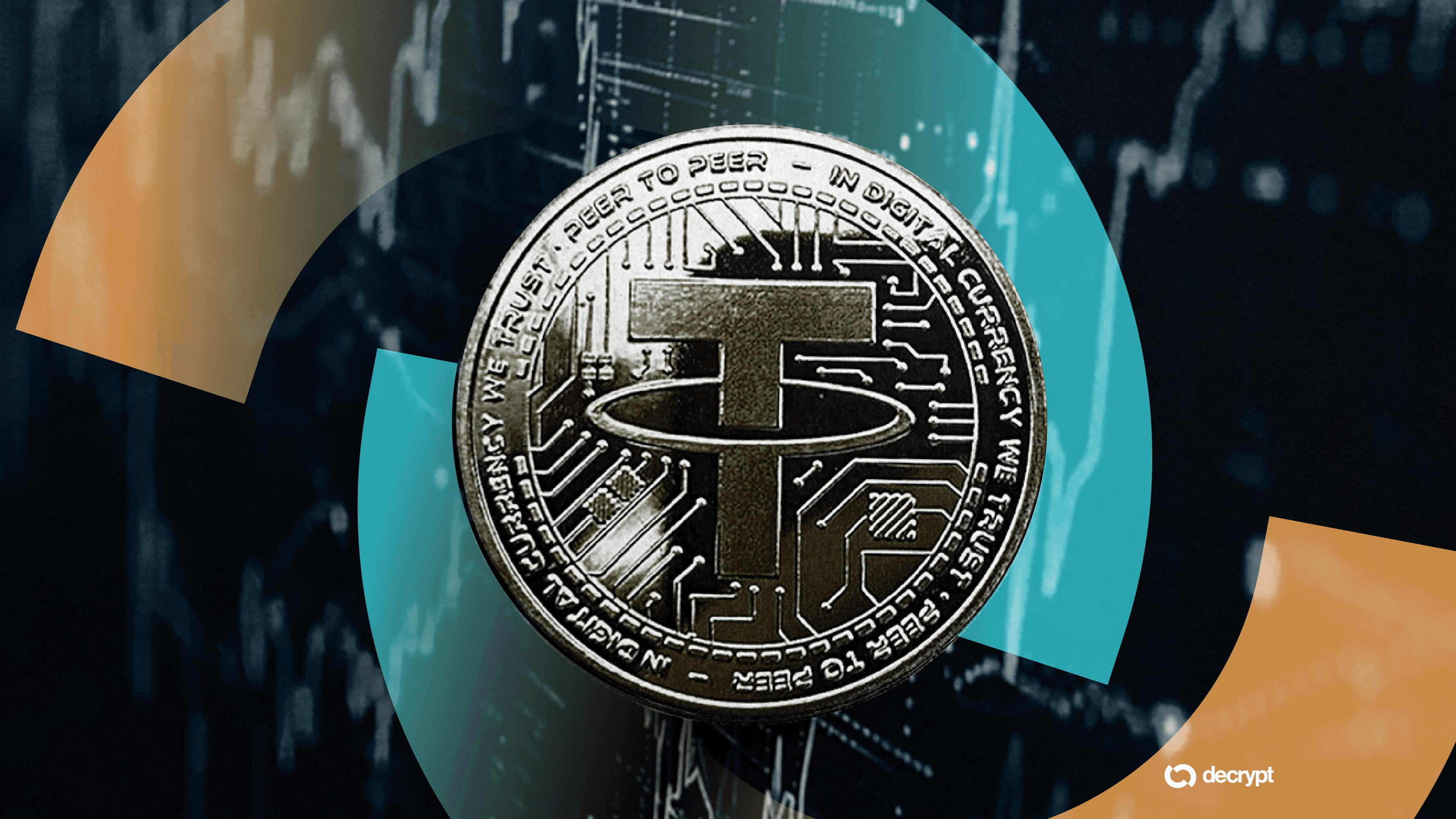
Two Thai businessmen are suing Tether, claiming the stablecoin issuer unlawfully froze their $42.4 million in USDT holdings. The lawsuit raises critical questions about how much unilateral power centralized stablecoin operators wield over user assets.
According to the plaintiffs, Tether blocked access to their funds months before federal authorities even obtained a seizure warrant. This timeline matters—it suggests Tether may have acted on its own initiative rather than in response to an official legal order.
The Freeze Timeline
The dispute centers on what appears to be a significant gap between Tether's action and government intervention. The businessmen claim they couldn't access their USDT long before any court-authorized seizure, raising uncomfortable implications about stablecoin custodial risk. If Tether can freeze accounts without legal backing, users face exposure that goes beyond regulatory compliance—it becomes an arbitrary discretionary power.
Tether hasn't publicly commented on the specific allegations in detail, though the company has historically positioned freezes as necessary compliance measures. The stablecoin operator maintains strict controls over USDT flows and has frozen addresses suspected of involvement in sanctions violations and criminal activity.
Why This Matters for Crypto Investors
This case cuts to the heart of what "decentralized" crypto actually means in practice. USDT, the largest stablecoin by market cap, functions as the rail for massive volumes across crypto trading, derivatives, and DeFi. If Tether can freeze funds unilaterally, it introduces counterparty risk that many traders don't adequately factor into their portfolio risk models.
The lawsuit also highlights an emerging tension in the stablecoin space: balancing legitimate compliance needs against user asset protection. Regulators want issuers to freeze accounts linked to sanctions or criminal activity. But without transparent legal frameworks, operators face pressure to freeze first and ask questions later—potentially trapping legitimate users.
For the two Thai businessmen, the stakes are personal and financial. They're challenging whether Tether had legal authority to freeze their holdings without a warrant or court order. The case could establish important precedent around stablecoin operator responsibilities and user protections.
Regulatory Implications
This dispute arrives as regulators worldwide scrutinize stablecoin issuers more closely. U.S. lawmakers have proposed frameworks requiring stablecoins to operate like banks, with deposit insurance and reserve backing. But questions about freeze authority and user recourse haven't been fully addressed in legislation.
The Tether situation underscores why institutional investors increasingly demand stablecoins issued by entities with clearer regulatory oversight and explicit asset protection frameworks. Some traders are hedging stablecoin concentration risk by splitting holdings across USDC, USDT, and other options.
Alpha Take
This lawsuit exposes a critical gap in stablecoin governance: the ability to freeze assets without transparent legal processes. For traders holding significant USDT positions, this is a material risk factor that deserves portfolio consideration. Watch how Tether responds legally—the outcome could reshape how crypto market participants evaluate stablecoin counterparty risk and compliance frameworks across the entire ecosystem.
Originally reported by
Decrypt
Not financial advice. Crypto investing involves significant risk. Past performance does not guarantee future results. Always do your own research.