
Tether Leads $1.4B NEURA Funding Round as Crypto Giants Back Humanoid Robotics Innovation
Tether—the stablecoin powerhouse behind USDT—just co-led a Series C round that pulled in $1. 4 billion for NEURA, a German humanoid robotics startup.
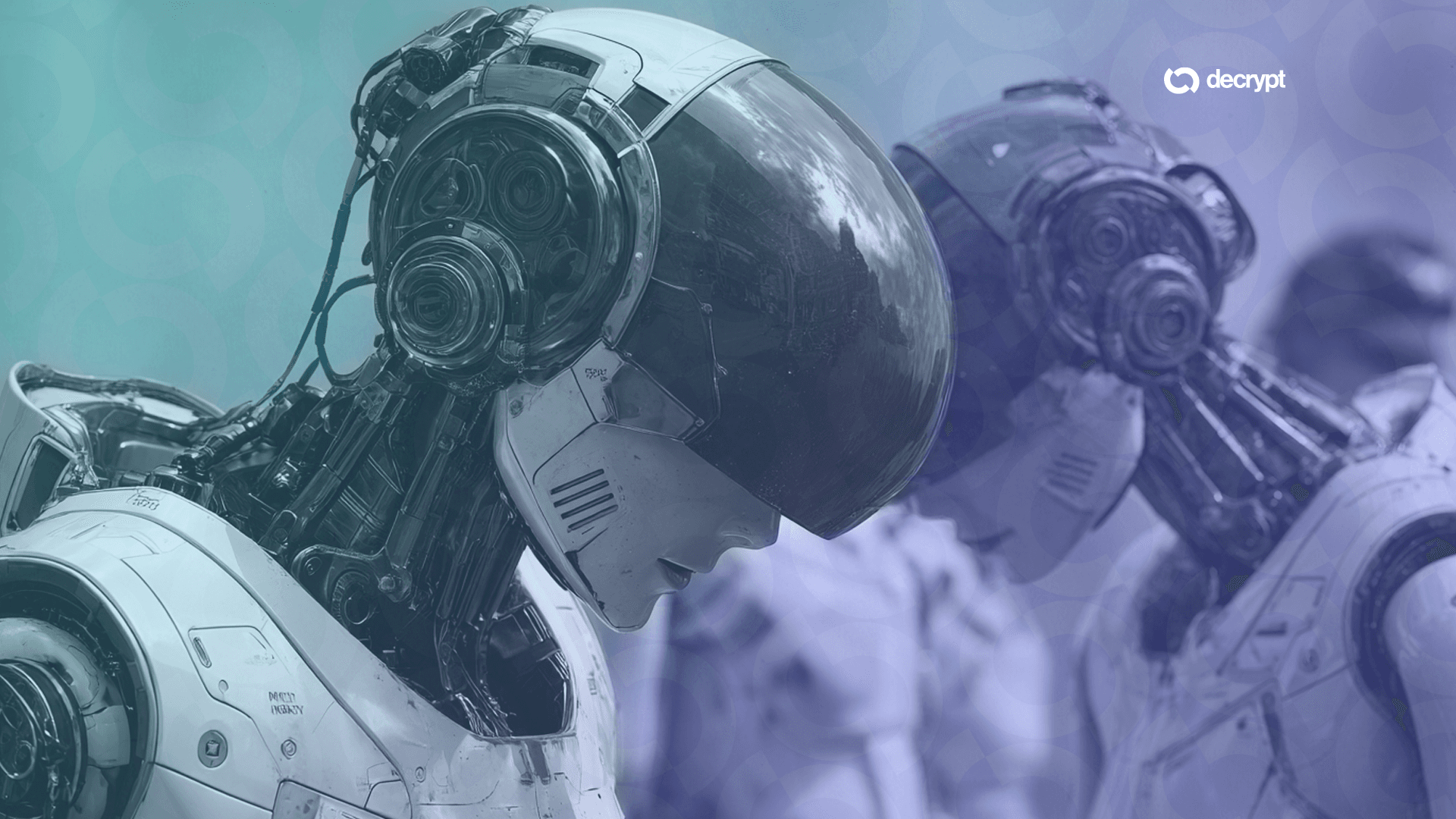
Tether—the stablecoin powerhouse behind USDT—just co-led a Series C round that pulled in $1.4 billion for NEURA, a German humanoid robotics startup. This isn't just another robotics play. We're watching major crypto, tech, and chip players converge on a single thesis: humanoid robots need decentralized payment infrastructure and edge AI capabilities embedded from day one.
The Players and the Capital
The funding round attracted heavyweight institutional backing alongside Tether. Nvidia and Amazon both participated, signaling serious conviction from the companies building the compute infrastructure and cloud ecosystems that will power autonomous robots at scale. The combination of these three backers tells us something important about market direction—this isn't speculative hype. These are businesses betting real capital on robots that need both AI smarts and seamless payment rails.
NEURA's robotics platform centers on humanoid machines designed for logistics, manufacturing, and service sector applications. The startup has been quietly building out their tech stack, and this fresh capital gives them runway to scale production and expand their engineering teams across Europe.
Why Crypto + Robotics Makes Sense
Here's where it gets interesting for crypto traders and portfolio managers: stablecoins like USDT are becoming critical infrastructure for autonomous systems. NEURA is embedding crypto payment tools directly into their robots, enabling machines to transact autonomously—paying for electricity, components, services—without traditional banking intermediaries.
This reflects a broader market intelligence trend we're tracking. Decentralized payment systems reduce friction in autonomous systems. Robots operating across multiple jurisdictions need settlement that doesn't require correspondent banking relationships. Tether's participation suggests the stablecoin ecosystem is moving beyond speculation into genuine enterprise infrastructure use cases.
Edge AI—computing intelligence that runs locally on devices rather than cloud servers—is equally critical. Humanoid robots operating in real-world environments can't rely on constant cloud connectivity. NEURA's focus here positions them to compete with other robotics developers who still depend on centralized inference.
Market Implications
For crypto analysis purposes, this round validates a thesis many institutional traders are watching: stablecoins are graduating to become middleware for physical economy applications. Tether's move into robotics funding signals confidence that USDT will anchor machine-to-machine transactions, not just human trading.
Amazon's participation is particularly telling. The logistics giant sees humanoids as core infrastructure for future warehouse automation. Nvidia obviously benefits from the compute requirements these systems demand—more robots means more edge AI chips sold.
The $1.4 billion valuation also speaks to market-wide confidence in robotics timelines. This wasn't a difficult raise. The capital came quickly, suggesting LPs are actively seeking exposure to humanoid robotics infrastructure plays.
Alpha Take
This funding round reflects real portfolio diversification by major crypto and tech players into physical automation. We're watching the on-chain economy and physical economy converge through autonomous systems infrastructure. For traders tracking crypto adoption narratives, NEURA's stablecoin integration is significant—it's not betting on bitcoin adoption, it's betting on USDT becoming essential operational infrastructure for trillion-dollar robotics markets.
Originally reported by
Decrypt
Not financial advice. Crypto investing involves significant risk. Past performance does not guarantee future results. Always do your own research.