
Tether Rolls Out Self-Custodial Wallet: Expanding USDT Beyond Trading Platforms
Tether is making a strategic move to own more of the user experience by launching its own self-custodial wallet, signaling the stablecoin giant's intention to reduce reliance on third-party platforms for transactions. The new wallet supports USDT (Tether's flagship stablecoin), Bitcoin, and Tether
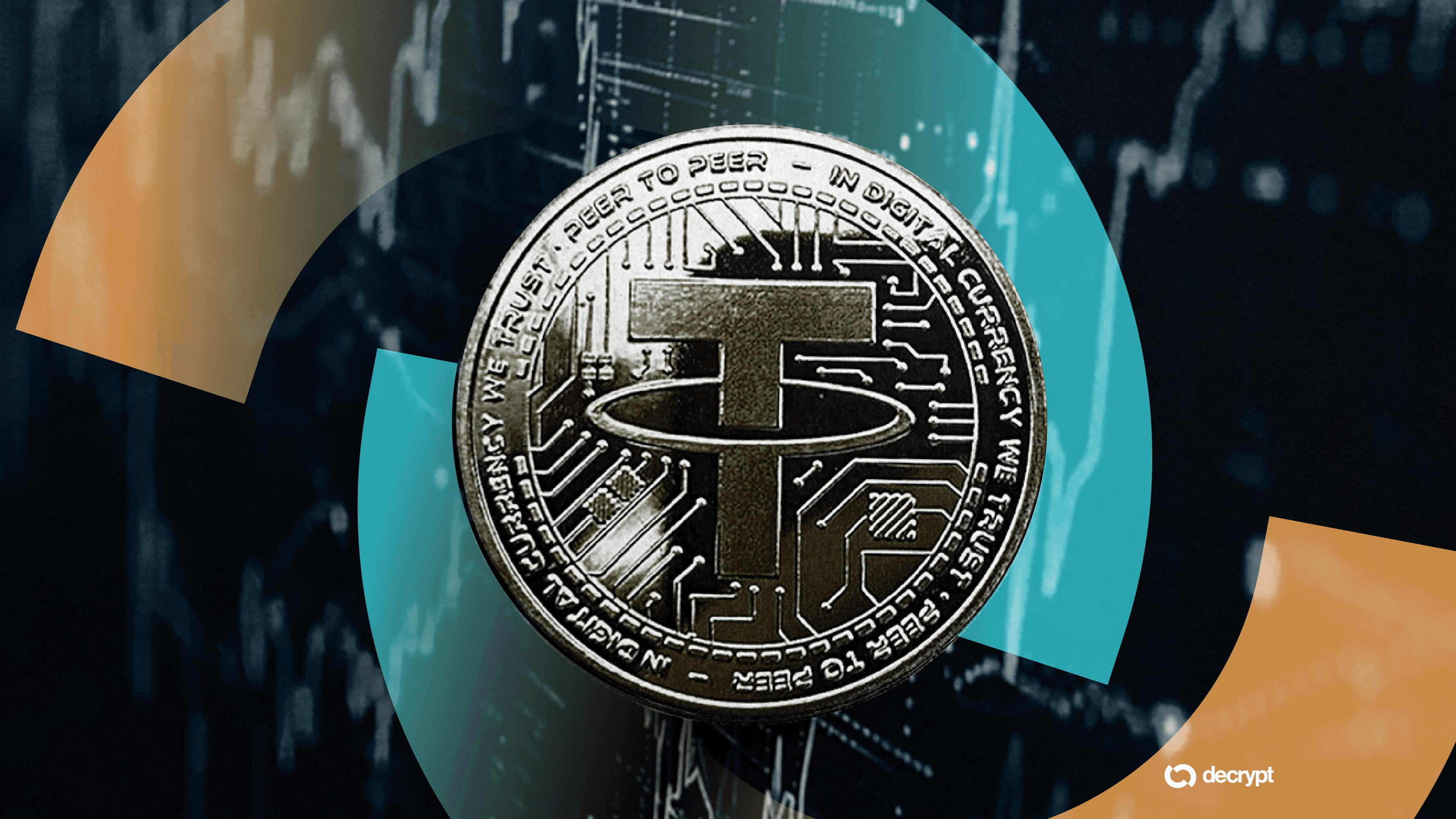
Tether is making a strategic move to own more of the user experience by launching its own self-custodial wallet, signaling the stablecoin giant's intention to reduce reliance on third-party platforms for transactions.
The new wallet supports USDT (Tether's flagship stablecoin), Bitcoin, and Tether Gold (XAU₮)—a gold-backed token that's been gaining traction among investors seeking alternative stores of value. What makes this wallet notable is its approach to user accessibility: it leverages email-like identifiers instead of traditional wallet addresses, aiming to lower friction for both crypto newcomers and institutional users.
Simplifying Crypto for Mass Adoption
The email-like identifier system is a key differentiator. Rather than forcing users to memorize or copy-paste unwieldy alphanumeric addresses, the wallet lets them send and receive crypto using familiar naming conventions. This mirrors how payment systems like PayPal or Venmo work—a critical design choice if Tether wants to push USDT beyond traders into everyday commerce.
Self-custodial wallets put users in direct control of their private keys, removing counterparty risk associated with exchange custody. For a stablecoin issuer like Tether, this is a calculated move: it deepens the moat around USDT by making it more convenient to hold and transfer outside centralized exchanges.
The Broader Strategic Play
Bitcoin support matters here. It signals Tether isn't narrowly focused on USDT ecosystem expansion—they're positioning themselves as a comprehensive wallet solution for major crypto assets. Adding Tether Gold to the mix appeals to macro investors and wealth preservation enthusiasts who view gold-backed tokens as a hedge against volatility.
This launch comes as Tether continues to dominate stablecoin market share. With USDT accounting for roughly 70% of all stablecoin trading volume globally, the company has leverage to shape how users interact with crypto. A proprietary wallet gives Tether direct data insights into transaction patterns and user behavior—valuable intelligence for product development.
What This Means for Crypto Infrastructure
The move also reflects broader trends in crypto's maturation. Major protocols and token issuers are increasingly building consumer-facing applications rather than relying solely on third-party wallets like MetaMask or hardware vendors. Tether's wallet launch puts it in direct competition with these incumbents.
From a trading perspective, this development strengthens USDT's utility narrative. Better accessibility typically correlates with increased adoption, potentially driving greater on-chain volume and network effects.
Alpha Take
Tether's self-custodial wallet is a calculated infrastructure play that deepens USDT's moat while reducing friction for retail and institutional adoption. The email-identifier feature is smart product design aimed at mass-market crypto usage. Watch for adoption metrics—if this wallet gains traction, it could materially impact stablecoin market dynamics and USDT's competitive position against rivals like USDC and DAI in your crypto portfolio strategy.
Originally reported by
Decrypt
Not financial advice. Crypto investing involves significant risk. Past performance does not guarantee future results. Always do your own research.