
Texas Considers Sweeping Bitcoin ATM Ban as Fraud Losses Hit $57M
Crypto kiosks have become a preferred hunting ground for scammers targeting everyday Texans, with reported losses reaching $57 million. Now, state lawmakers are considering going further than simple regulation—they're eyeing an outright ban on Bitcoin ATMs.
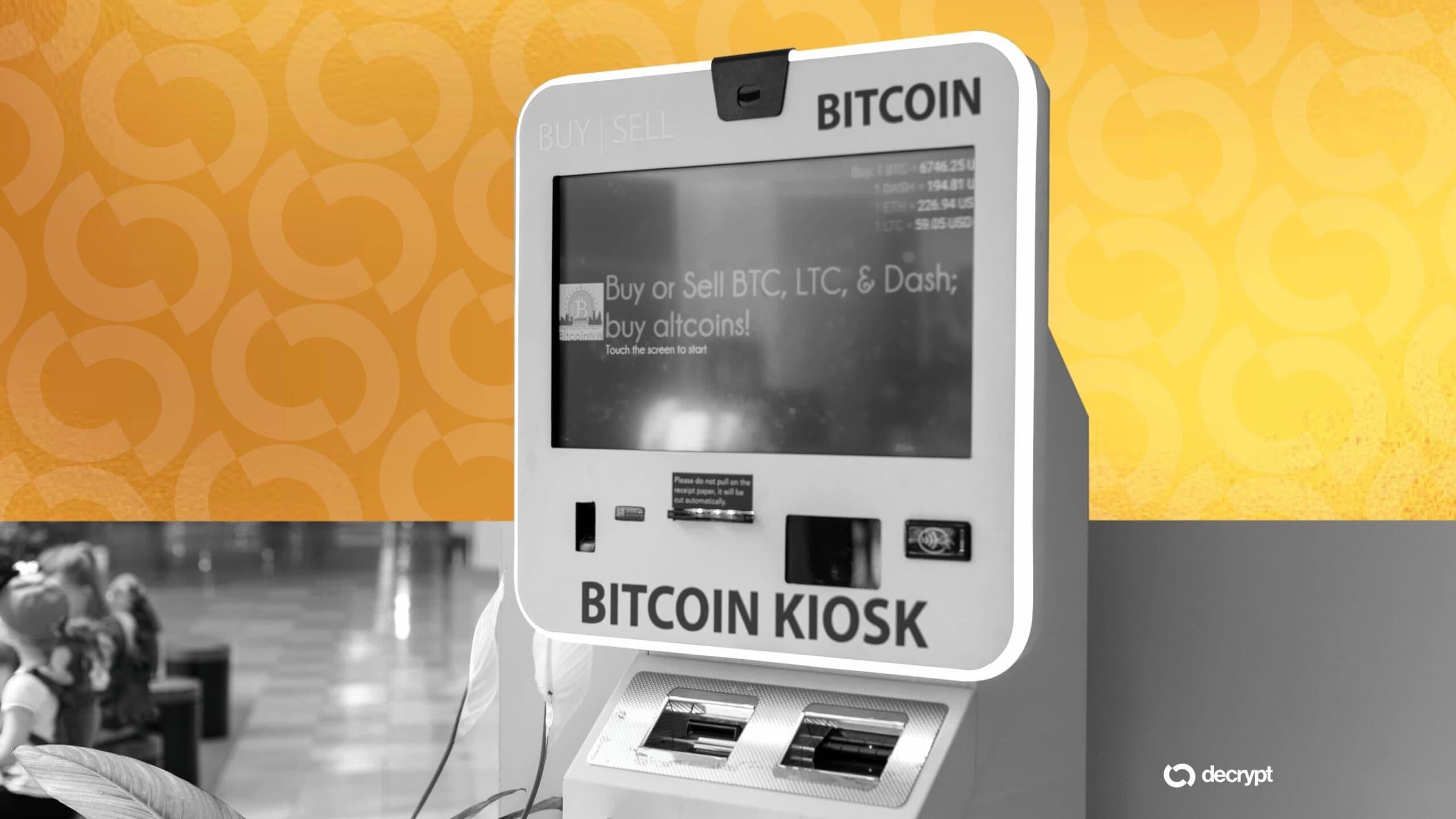
Crypto kiosks have become a preferred hunting ground for scammers targeting everyday Texans, with reported losses reaching $57 million. Now, state lawmakers are considering going further than simple regulation—they're eyeing an outright ban on Bitcoin ATMs.
The Growing Scam Crisis
Texas joins a growing list of jurisdictions grappling with cryptocurrency kiosk fraud. The scale of the problem has caught legislators' attention: $57 million in losses represents real money stolen from real people, often through social engineering schemes that trick victims into depositing cash for non-existent crypto transactions.
These machines, which facilitate peer-to-peer crypto transactions, have become a critical vulnerability in the financial ecosystem. Scammers use them to convert stolen funds, money obtained through romance schemes, and proceeds from other frauds into digital assets that are harder to trace and recover.
Legislative Momentum Building
Three states have already taken action to restrict or ban Bitcoin ATMs entirely, establishing a precedent that Texas lawmakers are now considering. A committee chair overseeing crypto regulation indicated that Texas won't simply regulate these kiosks—the state is prepared to implement more aggressive measures, potentially including a full prohibition.
The push reflects frustration with the current enforcement approach. Traditional regulatory oversight hasn't slowed the scam pipeline, and the decentralized nature of crypto trading makes law enforcement intervention difficult once funds are converted.
What's on the Table
Texas lawmakers are weighing several options:
- •Full prohibition: Following the three-state model, Texas could ban Bitcoin ATM operations entirely within state borders
- •Enhanced regulation: Stricter identity verification, transaction limits, and operator licensing requirements
- •Consumer protection measures: Mandatory delays on transactions, warning systems, and mandatory educational materials
The debate mirrors broader tensions in the crypto market intelligence space—how do regulators protect retail investors and fraud victims without stifling legitimate cryptocurrency adoption and trading?
The Enforcement Challenge
Unlike traditional banking fraud, crypto transactions are largely irreversible. Once a victim sends bitcoin or other cryptocurrencies through a kiosk, recovery is nearly impossible. This asymmetry makes prevention the only viable strategy, which is why outright bans appeal to policymakers concerned about constituent safety.
Scammers have become increasingly sophisticated in targeting vulnerable populations. Elderly Texans have been particularly hit hard, often convinced by callers claiming to represent legitimate companies or government agencies that they should deposit funds into crypto kiosks.
Industry Response Pending
Crypto operators and legitimate blockchain advocates haven't yet responded with unified pushback on potential bans. Some argue that responsible regulation—not prohibition—would protect consumers while allowing the industry to function. Others acknowledge that the current kiosk landscape has become too compromised by criminal activity to salvage without drastic measures.
For portfolio managers tracking crypto market developments, this trend matters: increased regulatory restrictions in major states could impact trading volume, liquidity, and the overall infrastructure supporting cryptocurrency adoption.
Alpha Take
Texas joining other states in considering Bitcoin ATM bans signals growing regulatory intolerance for crypto infrastructure that facilitates fraud faster than it enables legitimate trading. The $57M in losses demonstrates that scammers have weaponized crypto kiosks more effectively than legitimate operators have utilized them. Watch for this trend to spread—other states will likely follow Texas's lead, creating a patchwork of restrictions that could fundamentally reshape how retail investors access crypto markets.
Originally reported by
Decrypt
Not financial advice. Crypto investing involves significant risk. Past performance does not guarantee future results. Always do your own research.