
The Coldcard Vulnerability Proves Air-Gapped Bitcoin Wallets Aren't Bulletproof
Air-gapped wallets represent crypto's gold standard for security: private keys stored completely offline, theoretically unreachable by hackers prowling the digital landscape. But a recent Coldcard exploit is forcing the industry to rethink what "secure" actually means.
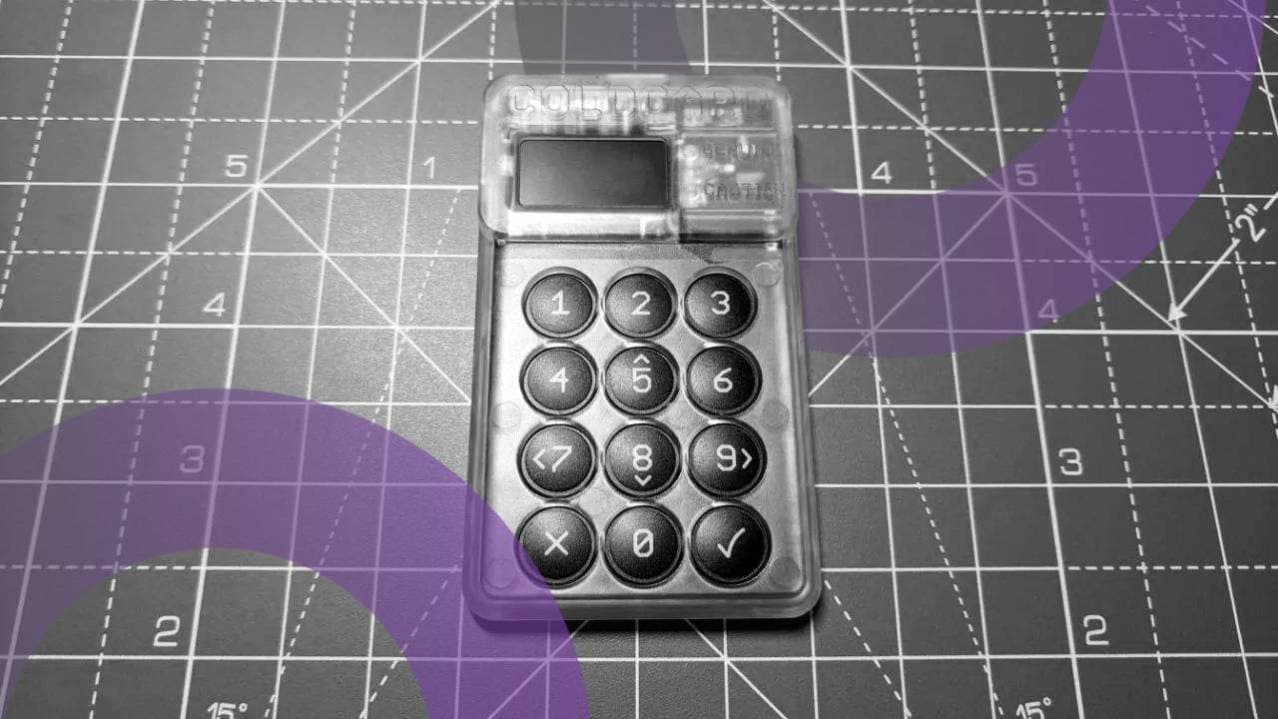
Air-gapped wallets represent crypto's gold standard for security: private keys stored completely offline, theoretically unreachable by hackers prowling the digital landscape. But a recent Coldcard exploit is forcing the industry to rethink what "secure" actually means.
How Air-Gapped Wallets Work
An air-gapped bitcoin wallet operates on a device with zero network connectivity. Your private keys never touch the internet. Transactions get signed offline, then the signed data moves to a connected device for broadcasting to the blockchain. It's elegant in theory—isolated hardware means isolated risk.
This architecture is why hardware wallets like Coldcard, Trezor, and Ledger became the preferred choice for serious holders. For bitcoin investors managing significant portfolios, air-gapped storage eliminated an entire attack vector: remote compromise. Your keys literally can't be stolen through network-based exploits if they never connect to the network.
Where the Coldcard Flaw Exposes Real Risk
The recent Coldcard vulnerability changes the conversation. The exploit doesn't require network access to compromise security—it leverages physical vulnerabilities in the device itself. This is the uncomfortable truth: air-gapped doesn't mean physically protected.
An attacker with physical access to the hardware could potentially extract private keys through side-channel attacks or firmware manipulation. The Coldcard incident revealed that even offline-first design philosophy doesn't prevent determined adversaries from compromising the device through supply chain interference or direct physical tampering.
For crypto traders and bitcoin holders, this raises a critical question: if an air-gapped wallet can be compromised through physical means, what's the actual security improvement over keeping keys on a more accessible device?
The Nuance Matters
Here's where it gets complicated. Air-gapped wallets still outperform internet-connected storage in preventing remote hacks—the most common attack vector. A compromised device with internet access faces constant exposure to malware, phishing, and network-based exploits. An air-gapped device faces physical threats that require direct access.
For most crypto investors, the probability of someone physically accessing your Coldcard is significantly lower than the probability of falling victim to a sophisticated remote attack. The math still favors offline security.
However, the Coldcard issue highlights something the crypto community has underestimated: hardware wallet security isn't just about the device design—it's about the entire supply chain, manufacturing process, and physical threat model.
What This Means for Bitcoin Portfolio Strategy
If you're holding meaningful amounts of ethereum, bitcoin, or other digital assets, air-gapped wallets remain your best practical defense. But treat them as one layer in a security stack, not a complete solution.
Consider: multi-signature setups where private keys are split across multiple air-gapped devices, geographic distribution of hardware, and secure storage protocols that make physical access more difficult. The Coldcard vulnerability doesn't obsolete air-gapped architecture—it proves you need to think beyond device-level security.
Alpha Take
Air-gapped bitcoin wallets remain superior to hot storage for crypto security, but the Coldcard exploit reminds us that offline doesn't equal unhackable. We recommend using air-gapped storage as your foundation while implementing multi-sig strategies and strict physical security protocols. The goal isn't perfect security—it's making your portfolio an unattractive target compared to easier victims. The market intelligence here: fund security maturity, not just device selection.
Originally reported by
Decrypt
Not financial advice. Crypto investing involves significant risk. Past performance does not guarantee future results. Always do your own research.