
THORChain's Legal Minefield: Facing Potential Prosecution Over Bitget Hack Compliance Failure?
THORChain developers are caught in a legal gray zone that could have serious implications. The decentralized cross-chain protocol is unable—or unwilling—to block addresses tied to the massive $387.
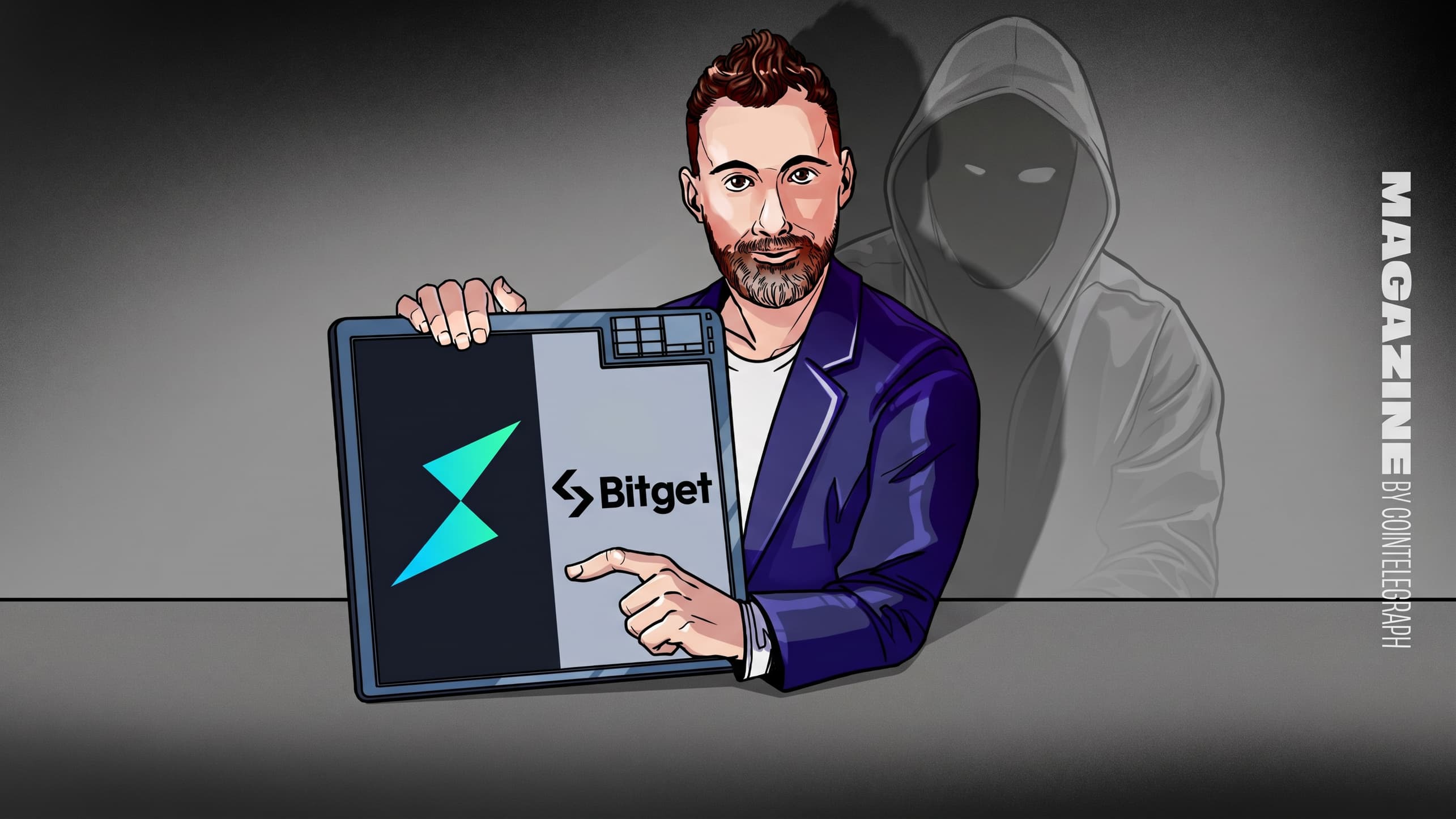
THORChain developers are caught in a legal gray zone that could have serious implications. The decentralized cross-chain protocol is unable—or unwilling—to block addresses tied to the massive $387.5 million Bitget hack, raising a thorny question: can the team face money laundering charges?
The situation stems from THORChain's architecture. As a truly decentralized protocol, it lacks centralized control over transaction flows. This is by design—one of crypto's core selling points. But when $387.5 million in stolen funds flow through the network, that decentralization becomes legally complicated.
According to crypto lawyer Yuriy Brisov, the answer isn't straightforward. "It's complicated," Brisov told us when asked about potential prosecution scenarios. He points out that distinguishing between technical inability and willful non-compliance is critical for any legal case. Prosecutors would need to prove that developers deliberately facilitated money laundering, not simply operated a protocol they can't control.
Here's the catch: THORChain's code doesn't allow for selective address blocking at the protocol level. Transactions either follow the rules encoded in the smart contracts, or they don't. There's no middle ground for "blocking bad guys." This creates a fundamental tension between decentralization principles and regulatory expectations.
The Bitget hack itself was devastating. The exchange lost nearly $388 million in a sophisticated attack, making it one of the largest crypto thefts of recent years. The stolen funds didn't stay put—they immediately began flowing through various channels, including cross-chain bridges like THORChain. From a market intelligence perspective, tracking these funds has become a priority for law enforcement and platform operators alike.
Brisov emphasizes that prosecutors would face an uphill battle. Money laundering charges typically require proof of knowing involvement and intent. For open-source developers maintaining a decentralized protocol, establishing that criminal intent is exceptionally difficult. You can't simply point to transaction throughput and claim willful participation.
That said, regulators aren't backing down. Exchanges and protocols face increasing pressure to implement compliance tools—even if it means compromising decentralization. THORChain's position as a cross-chain router makes it particularly visible in regulatory crosshairs. Any stolen funds passing through create potential liability questions.
The precedent matters here. If authorities successfully prosecute protocol developers for simply operating functional code, it fundamentally changes crypto's risk profile. Developers working on truly decentralized projects would face crushing liability exposure. Conversely, if THORChain faces no consequences, it signals that decentralization is a legal shield against money laundering compliance.
The reality is somewhere in between. THORChain likely won't face prosecution—the legal burden is too high. But the protocol may face pressure to implement voluntary compliance measures anyway, trading some decentralization for regulatory peace. That's the real cost of operating in crypto's evolving regulatory environment.
Alpha Take
THORChain's inability to block stolen Bitget funds highlights a fundamental tension in decentralized finance: protocols designed to be censorship-resistant become regulatory targets during crisis events. While direct prosecution of developers faces significant legal hurdles, regulatory pressure will likely push toward voluntary compliance solutions. For portfolio managers and traders, this underscores the growing compliance infrastructure differentiating legitimate crypto platforms from those operating in gray zones.
Originally reported by
CoinTelegraph
Not financial advice. Crypto investing involves significant risk. Past performance does not guarantee future results. Always do your own research.