
Tokenized SpaceX Shares Hit a Wall: How $1B in Demand Collapsed Before Retail Access
Tokenized SpaceX equity was supposed to democratize access to one of the world's most coveted private companies. Instead, it became a cautionary tale about the gap between crypto hype and regulatory reality.
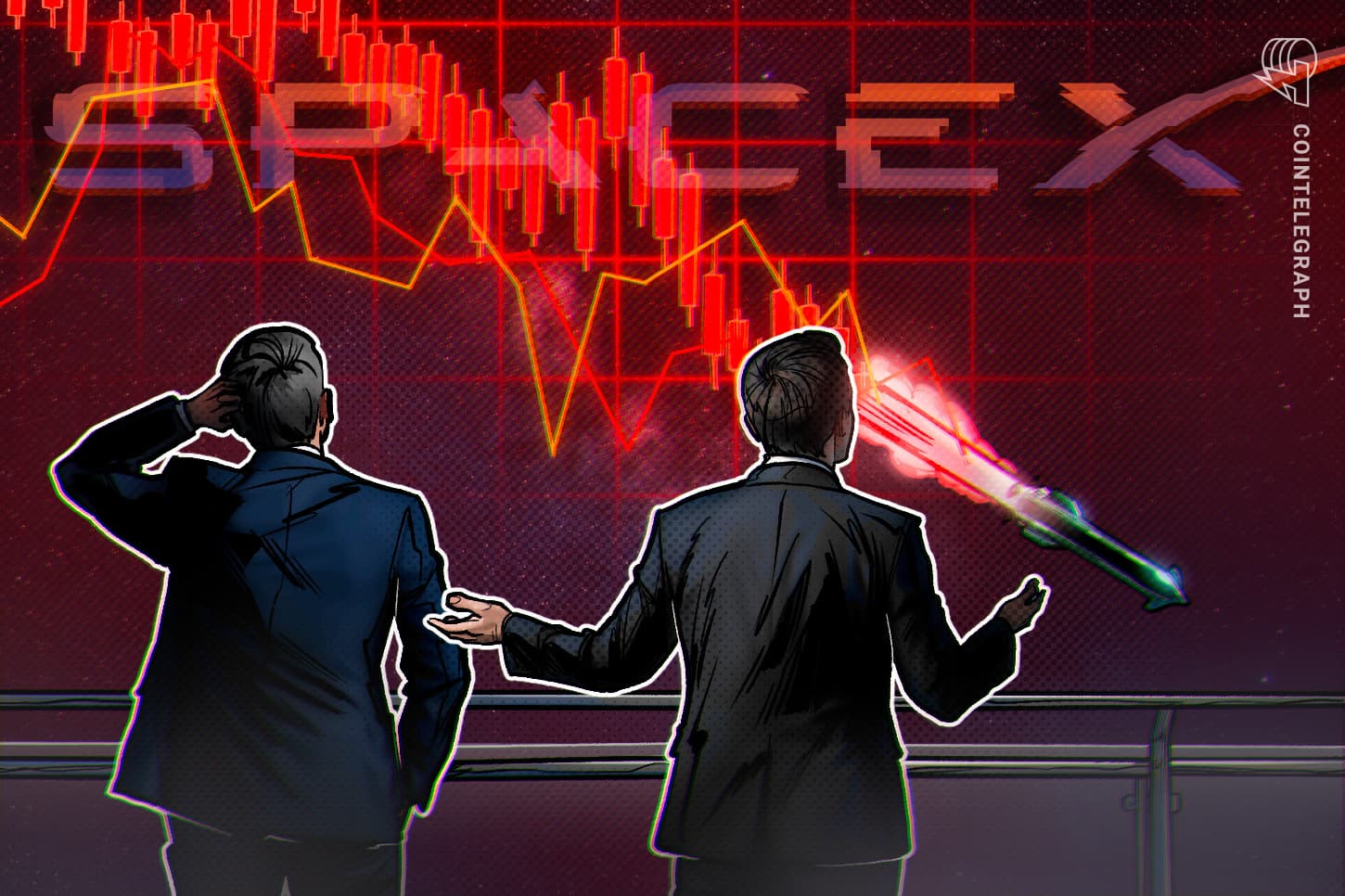
Tokenized SpaceX equity was supposed to democratize access to one of the world's most coveted private companies. Instead, it became a cautionary tale about the gap between crypto hype and regulatory reality.
The offering generated north of $1 billion in investor demand—a staggering response that initially looked like validation for blockchain-based equity tokenization. But here's where it gets messy: most investors who tried to buy in ended up with refunds instead of tokens.
The Setup and the Collapse
The tokenized SpaceX shares represented fractional ownership in Elon Musk's rocket company, tokenized on a blockchain platform. For retail investors locked out of traditional private equity rounds, it seemed like the breakthrough moment. You could finally own a slice of SpaceX without being a Silicon Valley insider or accredited investor.
The demand spoke for itself—over $1 billion flowed in. But the platform couldn't deliver. Technical issues, regulatory uncertainty, or both forced the organizers to pull the plug and issue refunds to disappointed buyers. The exact mechanics of what went wrong remain somewhat opaque, but the message was crystal clear: the crypto and blockchain infrastructure for real-world asset tokenization isn't ready for prime time.
Why This Matters for Crypto Markets
This failure highlights a critical tension in the tokenization narrative. Every bull case for blockchain adoption includes some version of "stocks, real estate, and commodities will be tokenized." It sounds inevitable. But moving from theory to execution—especially with SEC oversight, custody concerns, and regulatory gray zones—remains brutally difficult.
The SpaceX collapse isn't just a one-off glitch. It exposes real operational and compliance challenges that crypto infrastructure still hasn't solved at scale. How do you custody tokenized equity? What happens if a blockchain network goes down? How do you handle corporate actions like dividends or voting rights? These aren't trivial questions, and they're still being worked out.
What Investors Should Know
For retail traders watching tokenized assets: demand doesn't equal execution. A billion dollars of buyer interest means nothing if the plumbing can't handle it. We're still in the experimentation phase, and failures like this are part of the learning curve.
The bigger picture: legitimate tokenization platforms will need ironclad regulatory clarity, robust custody solutions, and transparent fallback procedures. They'll need to move slower but deliver reliably. Platforms that overpromise and under-deliver will erode confidence in the entire asset tokenization space—potentially slowing adoption of legitimate use cases.
SpaceX's private status, coupled with SEC restrictions around private company equity offerings, probably made this even harder. Regulators are understandably cautious about retail access to illiquid private equity. Add blockchain complexity to that equation and you've got a recipe for delays.
Alpha Take
Tokenized real-world assets remain a powerful long-term thesis for crypto infrastructure, but the SpaceX failure shows we're not there yet. This wasn't a crypto market collapse—it was a reminder that execution, custody, and regulation matter more than hype. Watch for platforms that succeed by keeping promises small and operational standards high. That's where real adoption happens.
Originally reported by
CoinTelegraph
Not financial advice. Crypto investing involves significant risk. Past performance does not guarantee future results. Always do your own research.