
Tokenizing the Seas: ADI Chain and Shipfinex Bridge Maritime Assets to Blockchain
Shipfinex is making a bold move to tokenize a $500 million vessel pipeline through ADI Chain, marking a significant expansion of blockchain technology into the multitrillion-dollar shipping industry. The partnership signals growing institutional appetite for bringing real-world assets (RWAs) onto d
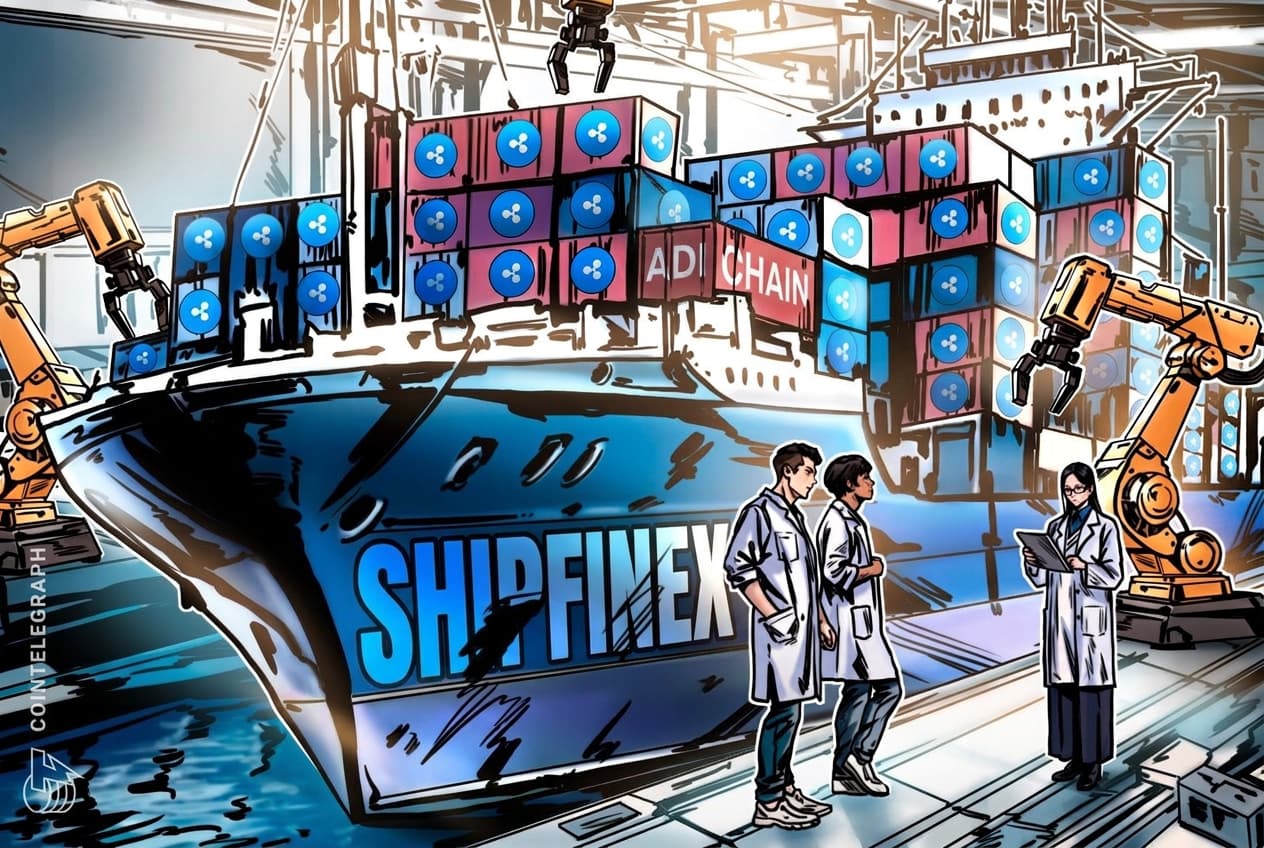
Shipfinex is making a bold move to tokenize a $500 million vessel pipeline through ADI Chain, marking a significant expansion of blockchain technology into the multitrillion-dollar shipping industry. The partnership signals growing institutional appetite for bringing real-world assets (RWAs) onto distributed ledgers.
The collaboration plans to bring 35 vessels onchain, converting physical maritime assets into tradeable digital tokens. This represents a substantial step beyond crypto's traditional confines—moving from pure digital assets into tangible infrastructure that underpins global commerce.
Why Maritime Tokenization Matters
The shipping industry sits at the intersection of critical infrastructure and fragmented ownership. Traditionally, vessel financing relies on complex syndication structures, slow settlement, and geographic friction. By tokenizing these assets, Shipfinex opens doors to fractional ownership, faster trading, and broader liquidity pools.
For portfolio allocation, this matters because maritime exposure has historically been restricted to institutional players or shipping-focused funds. Tokenization democratizes access to an asset class with genuine economic utility—these aren't speculative tokens, they're claims against working vessels generating revenue.
The ADI Chain Infrastructure Play
ADI Chain provides the blockchain infrastructure enabling this tokenization. The partnership demonstrates how specialized L1/L2 solutions can facilitate enterprise adoption by offering the compliance, speed, and security maritime stakeholders demand.
This follows a broader crypto market trend: institutional investors no longer debate whether blockchain adds value to RWAs—they're debating how fast these implementations scale. Shipfinex's 35-vessel commitment validates that real-world asset tokenization is transitioning from pilot programs to actual deployment.
Market Context
The RWA sector has attracted serious capital. Protocols and platforms are racing to tokenize everything from real estate to fine art to commodities. Maritime assets specifically represent an attractive entry point because:
- •Clear ownership and regulatory frameworks already exist
- •Revenue streams are quantifiable and auditable
- •The industry actively seeks efficiency improvements
- •Global trade dependency ensures sustained demand
Bringing $500 million in vessel value onchain is meaningful but still small relative to the shipping industry's total valuation. However, successful execution here signals a template for scaling across other maritime assets—ports, cargo rights, shipping routes.
Practical Implications for Traders
From a market intelligence perspective, this matters for two reasons. First, it indicates institutional money is genuinely moving into on-chain asset infrastructure, not just speculative trading. Second, it demonstrates that blockchain adoption isn't hype—it's solving real problems for industries managing trillions in assets.
For portfolio construction, RWA exposure through established partnerships like this offers less volatility than pure crypto plays while providing upside from blockchain adoption. The vessel tokenization creates a hedge against pure equity or commodity exposure.
Alpha Take
This partnership validates that real-world asset tokenization is transitioning from theoretical to operational. The $500 million vessel pipeline on ADI Chain represents institutional-grade infrastructure adoption that benefits from crypto's settlement efficiency and transparency. Watch for similar announcements from other industries—successful maritime tokenization becomes the blueprint for enterprise blockchain scaling. If execution matches ambitions, we're looking at a significant expansion of crypto market infrastructure beyond trading into actual economic utility.
Originally reported by
CoinTelegraph
Not financial advice. Crypto investing involves significant risk. Past performance does not guarantee future results. Always do your own research.