
Treasury Targets Russia's A7 Network: New Rules Could Sever Crypto Lifeline Worth $179B
The U. S.
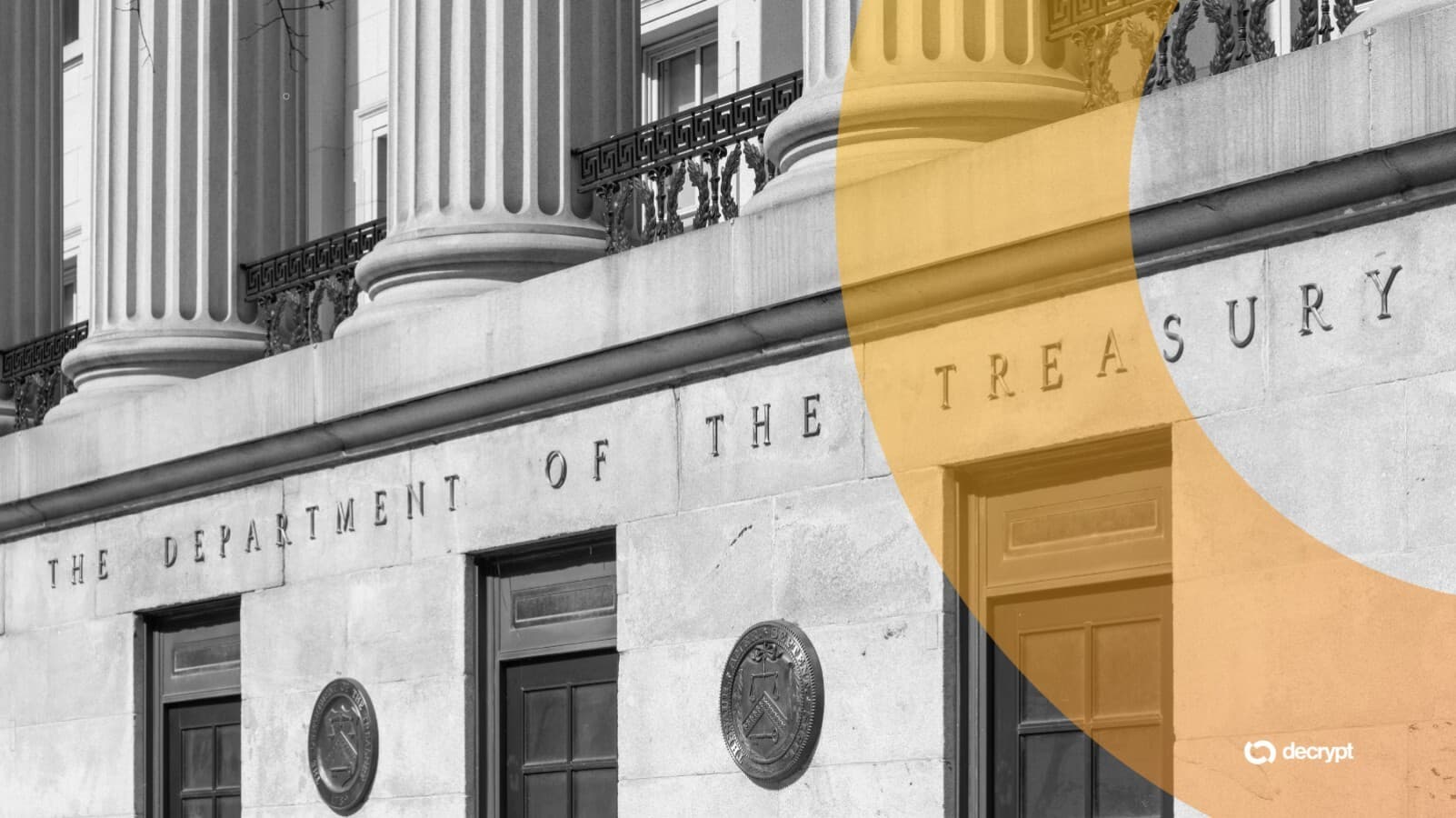
The U.S. Treasury Department is making a bold move against Russia's shadowy A7 Network, formally designating it as a transnational criminal organization. This isn't just bureaucratic posturing—it's an attempt to weaponize the American financial system against a major money-laundering operation that's been funneling massive volumes through crypto markets.
The $179 Billion Crypto Problem
Here's what makes this designation significant for crypto traders and portfolio managers: A7's ruble token has already moved $179 billion through digital asset channels. That's real money flowing through real exchanges, raising serious questions about how much criminal capital has infiltrated the broader crypto ecosystem. The Treasury's proposed rule directly targets this activity, aiming to cut off A7's front companies from U.S. financial infrastructure—and that includes crypto markets where these operations have thrived relatively unchecked.
The scale here matters. We're not talking about small-time money laundering; this is institutional-level criminal finance operating at a level comparable to nation-state actors. The crypto space, with its lower barriers to entry and faster settlement times compared to traditional banking, has become the preferred vehicle for moving illicit rubles into global markets.
How the New Rules Work
The proposed rule operates with surgical precision. Rather than banning the entire A7 Network outright, Treasury is targeting its front companies and financial intermediaries. This approach recognizes a critical reality: you can't arrest an international criminal syndicate, but you can systematically strangle its access to Western finance.
For crypto specifically, this means exchanges and custodians operating under U.S. jurisdiction will face stringent compliance requirements around A7-related addresses and transactions. The ruble token in question becomes a marked asset—one that legitimate market participants will increasingly avoid due to regulatory risk.
What This Means for Market Intelligence
From a trading perspective, this designation creates several immediate implications. First, expect increased scrutiny of any crypto projects with Russian connections or ruble-denominated transactions. Second, platforms that fail to implement proper compliance measures face serious legal consequences. Third, there's likely to be a significant portion of crypto liquidity that simply evaporates as institutional players de-risk from tainted assets.
The broader crypto market intelligence play here is understanding that regulatory pressure on criminal networks inevitably spreads to legitimate participants. When Treasury starts investigating one ruble token, exchanges begin auditing all Russian-related transactions. This creates a cascading compliance burden that affects market structure and liquidity.
Alpha Take
The A7 designation signals that regulators are no longer content to let crypto serve as a parallel financial system for sanctions evasion and money laundering. The $179 billion in ruble token volume is now in the crosshairs, and that's just the documented flow. Market participants should anticipate tighter compliance frameworks around Russian assets and prepare for potential liquidity crunches in affected trading pairs. This is a watershed moment for crypto's maturation as a regulated asset class—the easy days of dodging scrutiny are ending.
Originally reported by
Decrypt
Not financial advice. Crypto investing involves significant risk. Past performance does not guarantee future results. Always do your own research.