
Trezor Users Targeted in Email Provider Breach: What You Need to Know
Trezor, the popular hardware wallet manufacturer, confirmed that attackers compromised its email provider in a sophisticated social engineering campaign. The breach didn't hit Trezor's core systems, but it gave bad actors access to customer communications—a concerning development in an industry whe
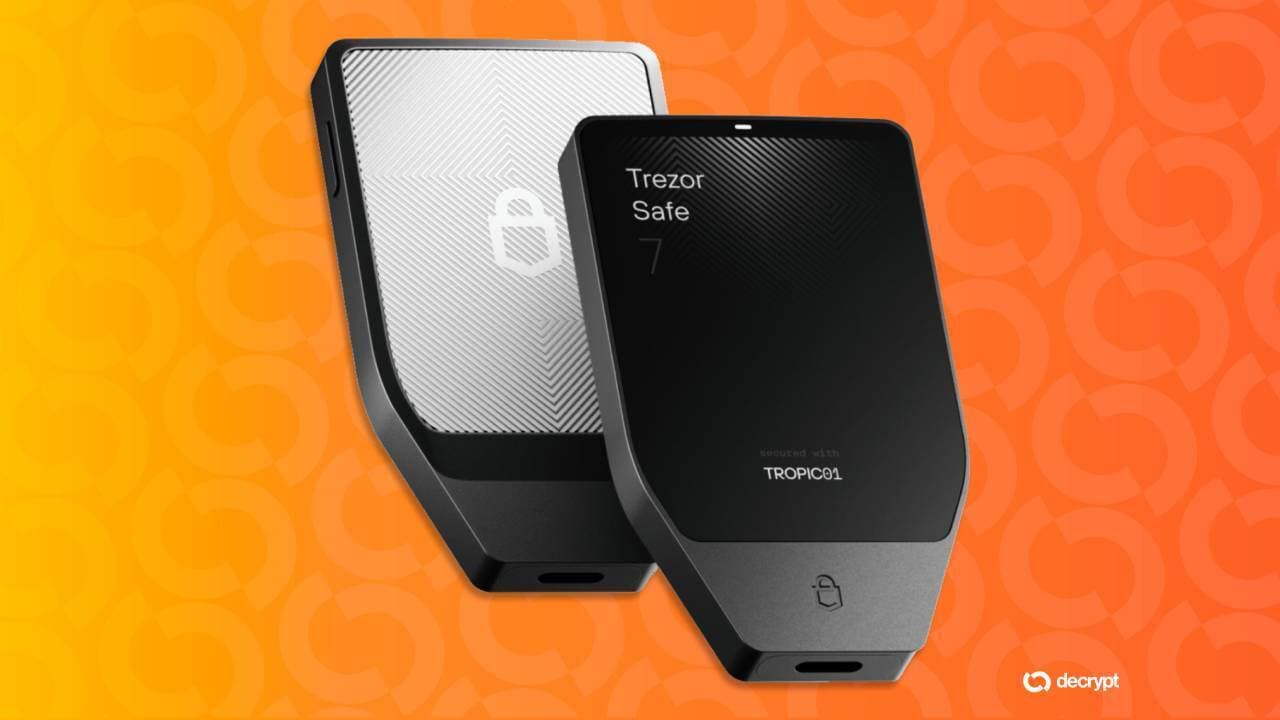
Trezor, the popular hardware wallet manufacturer, confirmed that attackers compromised its email provider in a sophisticated social engineering campaign. The breach didn't hit Trezor's core systems, but it gave bad actors access to customer communications—a concerning development in an industry where security is everything.
Here's what went down: hackers sent fraudulent security alerts to Trezor users claiming a critical hardware flaw could expose their recovery phrases. The fake warnings were designed to trick users into clicking malicious links or downloading compromised files. It's a classic phishing playbook, but one that works because it exploits legitimate security concerns in the crypto community.
The Attack Vector
The breach occurred at Trezor's email provider, not on Trezor's infrastructure itself. This distinction matters, but only slightly. When you compromise a company's email system, you gain access to customer lists, communication history, and the ability to impersonate the brand—exactly what happened here. The fake alerts were convincing enough that they could fool users who weren't paying close attention, especially those already anxious about hardware wallet vulnerabilities.
What the Hackers Actually Wanted
The phishing campaign specifically targeted user recovery phrases—the 12 or 24-word seed phrases that serve as master keys to hardware wallets. If attackers obtain a recovery phrase, they can drain a wallet's assets completely. This makes the attack far more serious than typical data breaches. We're not talking about exposed email addresses; we're talking about attempted theft of crypto assets.
Trezor's security team identified the fraudulent emails and moved quickly to contain the damage. The company confirmed that its actual wallet software and hardware remain uncompromised. However, the breach underscores a persistent vulnerability in crypto security: the human element.
Lessons for Portfolio Managers
This incident highlights why diversifying security infrastructure matters. Even companies with fortress-like hardware security can stumble when third-party providers get breached. For traders and institutional investors managing significant crypto portfolios, this is a reminder to:
Use dedicated, isolated devices for hardware wallets. Don't use the same email for wallet recovery as you do for daily communications.
Be extremely skeptical of unsolicited security alerts, even from trusted brands. Verify through official channels before taking action.
Keep recovery phrases in secure physical storage, never accessible via any internet-connected device or email.
The crypto market thrives on decentralization, but that philosophy only works when individual security practices match the hype. Trezor's transparency about the breach—acknowledging the compromise without downplaying it—is good practice. But it also exposes the reality that no company, however security-focused, is immune to social engineering attacks.
Alpha Take
The Trezor breach reinforces that hardware wallet security extends beyond the device itself. Email compromise, phishing sophistication, and social engineering remain the weakest links in most crypto traders' security chains. While Trezor's core systems stayed intact, this incident proves that sophisticated attackers will probe every accessible surface to reach customer assets. When managing crypto portfolio positions, assume your email, communication channels, and recovery phrase storage are all potential targets—and plan accordingly.
Originally reported by
Decrypt
Not financial advice. Crypto investing involves significant risk. Past performance does not guarantee future results. Always do your own research.