
Trump Admin Insider Accused of Trading on Presidential Speech Intel Exits Government
Gabriel Perez, the teleprompter operator caught up in an insider trading controversy involving prediction market bets, has officially left his federal government position. Perez had been operating as Trump's teleprompter handler—a role placing him in proximity to sensitive speech content before pu
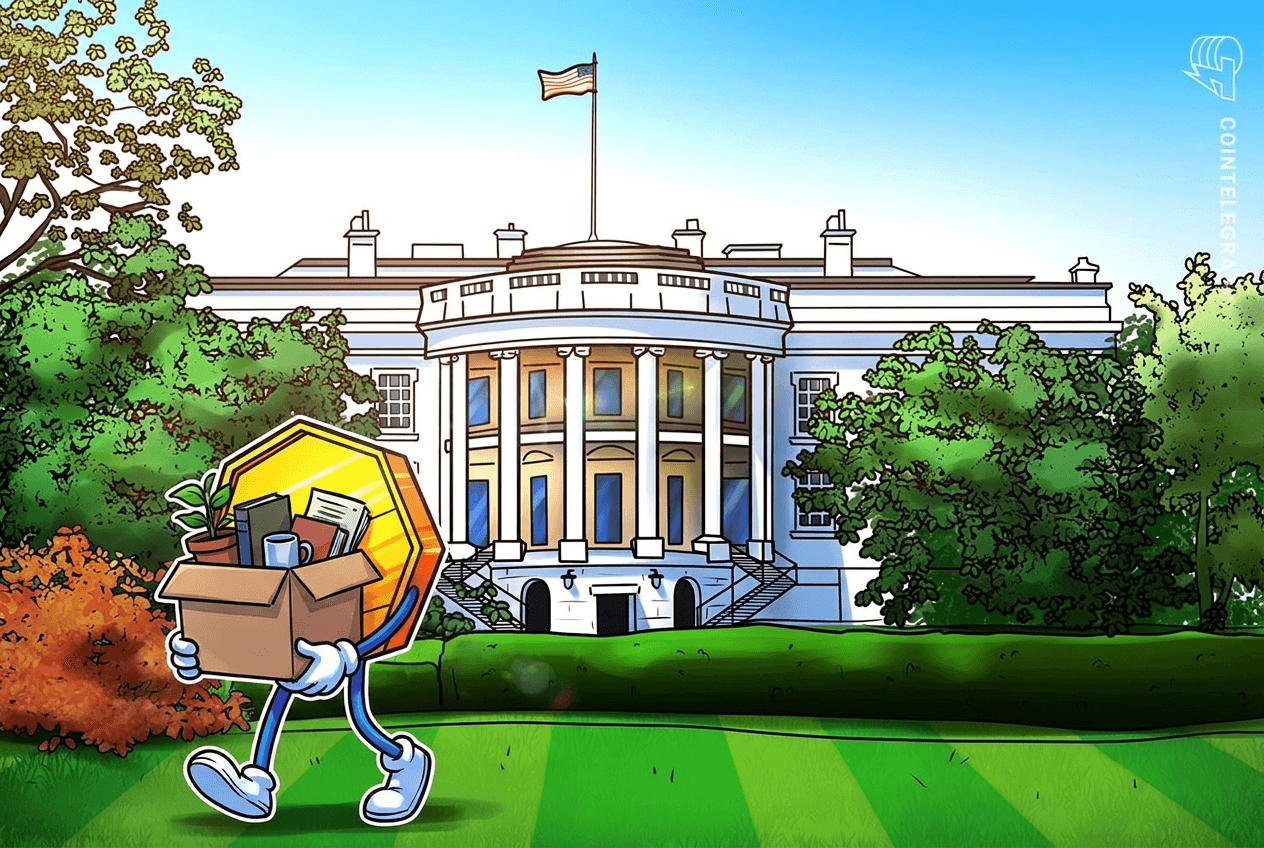
Gabriel Perez, the teleprompter operator caught up in an insider trading controversy involving prediction market bets, has officially left his federal government position.
Perez had been operating as Trump's teleprompter handler—a role placing him in proximity to sensitive speech content before public delivery. The controversy erupted when questions surfaced about whether Perez or associates profited from Kalshi bets strategically timed around Trump's announcements.
The Kalshi Connection
Kalshi operates as a regulated prediction market platform where traders bet on real-world events, including political outcomes and policy announcements. The bets allegedly tied to Perez raised regulatory and ethical flags because they suggested potential misuse of non-public information about Trump's planned statements. Timing trades ahead of major presidential announcements—even by hours—can represent material advantage in prediction markets where odds shift sharply on policy surprises.
We've seen this pattern before in crypto and traditional markets: proximity to information creates opportunity for exploitation. What made this case distinct was the high-profile nature of the position and the emerging intersection between government officials and speculative crypto-adjacent platforms like Kalshi.
Regulatory Spotlight
The situation underscores growing tension between emerging prediction market infrastructure and federal employment ethics rules. Government employees operate under strict conflict-of-interest guidelines prohibiting trading based on material non-public information. Whether Perez violated these rules formally remained unclear, but the optics alone—a teleprompter operator with advance knowledge of presidential remarks tied to strategic bets—triggered serious scrutiny.
This case lands amid broader regulatory debates about prediction markets. The Commodity Futures Trading Commission (CFTC) has been cautiously opening doors to regulated prediction markets, seeing potential value for price discovery and hedging. However, incidents like this underscore why regulators remain wary about market manipulation and information asymmetries.
What This Means for Crypto Trading
For crypto and prediction market traders, the Perez departure signals that regulators and ethics investigators are actively monitoring these spaces. Trading platforms facilitating political or policy-related bets aren't operating in a regulatory vacuum. Government agencies watch for evidence of insider trading, and enforcement can reach across platforms and into personal financial accounts.
The case also highlights a critical risk in prediction markets: if they become attractive vectors for information-advantaged trading, their legitimacy suffers. Markets function on fair price discovery; when participants exploit timing or information advantages, it corrodes trust and invites regulatory crackdowns that could stifle innovation in this emerging asset class.
Alpha Take
Perez's exit from government represents standard consequence management, but the underlying issue—information asymmetry in emerging prediction markets—remains unresolved. Traders should assume regulators are building cases and cross-referencing trading activity against employment records and financial disclosures. For institutional players eyeing prediction market participation, this serves as a reminder that regulatory frameworks around political betting will tighten, not relax.
Originally reported by
CoinTelegraph
Not financial advice. Crypto investing involves significant risk. Past performance does not guarantee future results. Always do your own research.