
Trump Administration's AI Self-Regulation Gambit: Tech Giants Get the Keys to Police Their Own Frontier Models
The Trump administration is betting that industry self-governance can contain frontier AI risks—and crypto markets should pay attention. The voluntary accord essentially hands responsibility for managing cutting-edge AI development directly to the tech firms building these systems, sidestepping tra
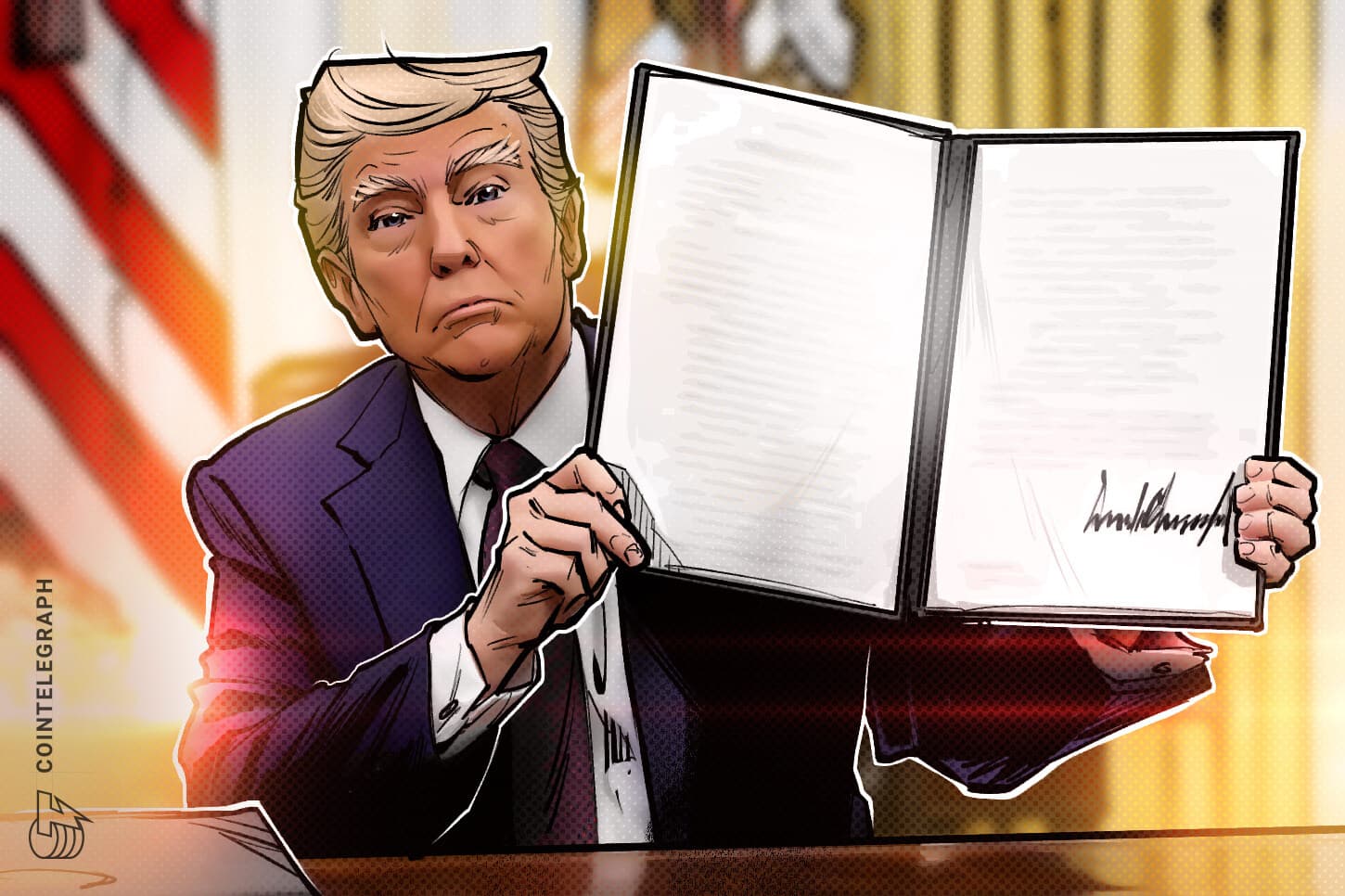
The Trump administration is betting that industry self-governance can contain frontier AI risks—and crypto markets should pay attention. The voluntary accord essentially hands responsibility for managing cutting-edge AI development directly to the tech firms building these systems, sidestepping traditional regulatory frameworks.
Here's why this matters for our space: AI infrastructure underpins crypto trading platforms, market analysis tools, and blockchain security audits. How frontier AI gets regulated (or doesn't) ripples through our ecosystem.
The Self-Policing Framework
The accord puts the burden squarely on developers to establish internal safeguards, conduct risk assessments, and implement their own monitoring systems. Rather than imposing top-down rules, the administration is essentially saying: manage your own risks, or face future regulation. It's a carrot-and-stick approach that favors the largest players who can afford sophisticated compliance infrastructure.
Tech giants have signed on to voluntary commitments around transparency, testing, and risk disclosure. The framework acknowledges frontier AI—models pushing the boundaries of what's possible—requires different handling than traditional software. But enforcement? That's largely self-directed audits and internal reviews.
The Crypto Connection
For crypto investors tracking regulatory trends, this signals the administration's broader philosophy: light-touch oversight where possible. This approach mirrors how crypto regulation has evolved—fragmented, often self-regulatory, with industry players having significant input into rulebooks.
The voluntary accord also highlights the growing intersection between AI and blockchain. Companies developing frontier AI models are increasingly interested in decentralized computing infrastructure. How these models get regulated could influence investment in AI-adjacent crypto projects and tokens.
What's Actually at Stake
Frontier AI developers get breathing room to innovate without immediate regulatory constraints. But they're also publicly committing to standards—creating potential liability if risks materialize. The accord functions as both incentive and insurance policy: companies follow guidelines to avoid regulatory backlash.
For portfolio managers, this is part of the broader tech-regulatory landscape. Light-touch AI governance could boost valuations of major AI infrastructure plays, while simultaneously removing friction that might have slowed crypto-AI integration projects. That's a net positive for tokens exposed to AI development and deployment.
The accord also reveals something important about political appetite for AI regulation. Rather than the heavy-handed approach some feared, we're seeing a market-friendly stance that trusts developers with significant autonomy. That philosophy likely extends to emerging tech sectors, including crypto.
Alpha Take
The self-policing framework reflects a deregulatory impulse that historically benefits financial innovation and emerging technologies like crypto. Keep watching whether this approach holds or becomes pressure valve for inevitable future regulation. For traders, lighter AI governance could unlock faster development of AI-integrated crypto trading systems and blockchain analytics—a potential catalyst for infrastructure tokens and platforms enabling AI-crypto convergence. The real question: will voluntary compliance actually work, or is this a temporary reprieve before more formal rules land?
Originally reported by
CoinTelegraph
Not financial advice. Crypto investing involves significant risk. Past performance does not guarantee future results. Always do your own research.