
Trump Administration Sides With Elon Musk's xAI Against Colorado's AI Regulation Push
The Trump Justice Department has officially thrown its weight behind Elon Musk's xAI in a high-stakes legal battle over Colorado's algorithmic discrimination statute—a move that signals the administration's hardline stance against state-level AI regulation. The DOJ filed to intervene in xAI's exis
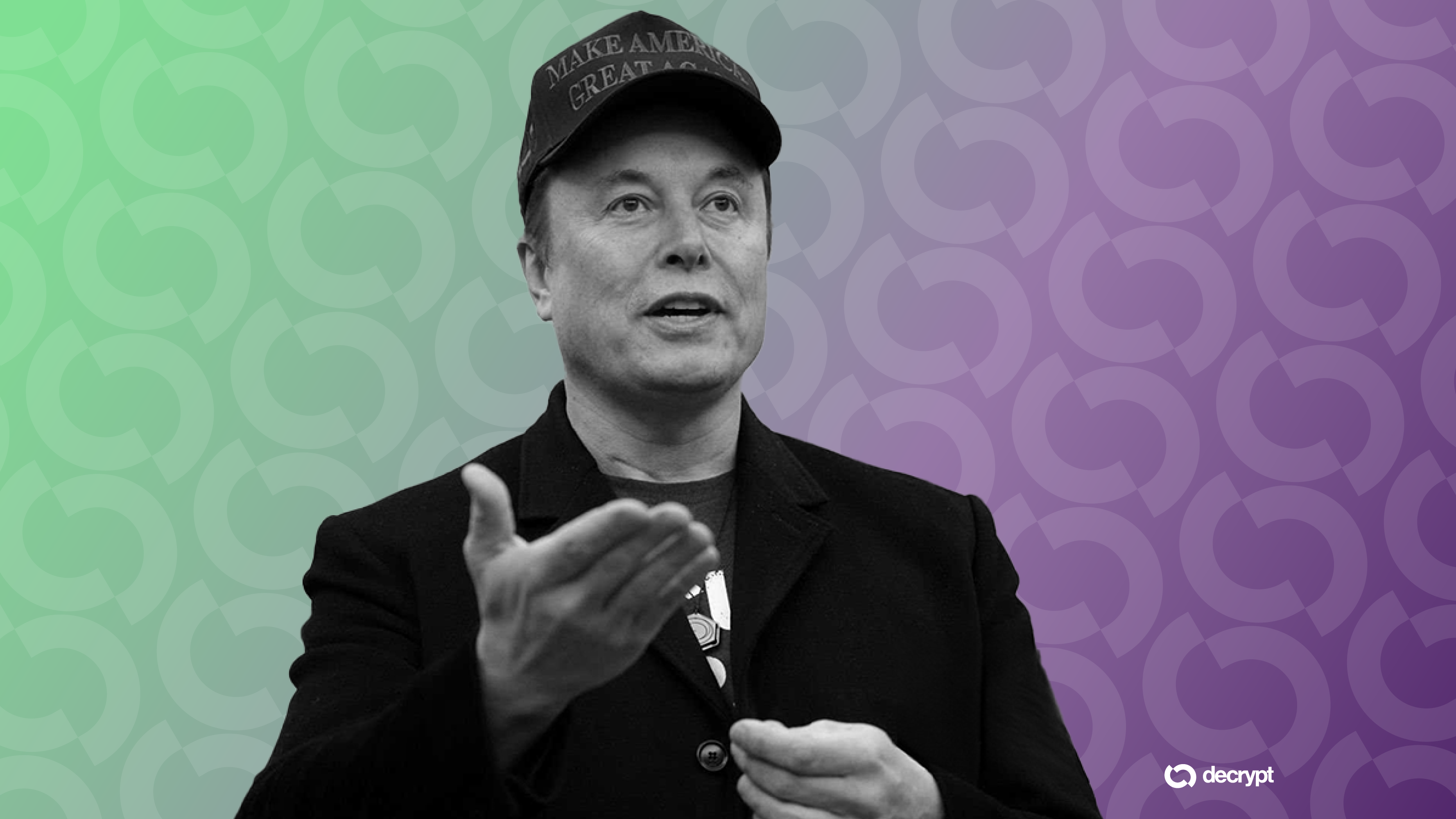
The Trump Justice Department has officially thrown its weight behind Elon Musk's xAI in a high-stakes legal battle over Colorado's algorithmic discrimination statute—a move that signals the administration's hardline stance against state-level AI regulation.
The DOJ filed to intervene in xAI's existing lawsuit challenging Colorado's law, which requires AI systems to undergo bias testing and disclosure requirements before deployment. This intervention represents a significant escalation in the broader conflict between federal deregulation ambitions and state-level tech oversight.
Why xAI Is Fighting Back
xAI's core complaint centers on the law's compliance burden. The company argues that Colorado's regulations impose excessive requirements that could stifle innovation in AI development—a familiar refrain from Silicon Valley when facing new regulatory frameworks. The statute mandates that AI systems undergo rigorous testing to identify and mitigate algorithmic bias, particularly in high-stakes decisions affecting hiring, lending, housing, and criminal justice.
The Colorado law represents one of the nation's first comprehensive attempts to regulate algorithmic discrimination at the state level. It's become a test case for how states might pursue AI oversight independently from federal guidance.
The DOJ's Strategic Move
By intervening, the Justice Department essentially backs xAI's legal position that the state law overreaches and may conflict with federal authority over tech regulation. This alignment reflects the Trump administration's broader deregulation agenda, particularly its skepticism toward state-level restrictions on emerging technologies.
The intervention also signals the DOJ's willingness to use litigation as a tool to challenge state regulations it views as duplicative or economically burdensome. Legal experts note this approach could reshape how future AI legislation rolls out across the country.
What's Actually At Stake
This isn't just about xAI. The case carries implications for the entire crypto and blockchain sector's relationship with AI regulation. As tokenomics increasingly intersect with machine learning algorithms—from trading bots to automated portfolio management—how courts rule here will influence whether other states push similar frameworks.
The precedent matters enormously. If Colorado's law survives legal challenge, we could see a patchwork of state AI regulations emerge, complicating deployment across multiple jurisdictions. Conversely, if the court sides with the DOJ and xAI, it effectively kills momentum for aggressive state-level AI oversight.
Alpha Take
The Trump DOJ's intervention tilts the playing field decisively toward deregulation, but Colorado likely prepared for this fight—state attorneys general have successfully defended novel regulatory frameworks before. Watch the specific judicial reasoning here; courts will need to balance innovation concerns against consumer protection, and their framing could reshape AI regulation nationwide for years.
Originally reported by
Decrypt
Not financial advice. Crypto investing involves significant risk. Past performance does not guarantee future results. Always do your own research.