
Trump Administration Sues Minnesota Over Prediction Market Ban, Reigniting Federalism Battle
Minnesota just made prediction markets a felony—and the Trump administration came swinging within hours. The state's new law criminalizes the creation or operation of prediction markets within its borders, drawing immediate legal fire from both the Commodity Futures Trading Commission (CFTC) and D
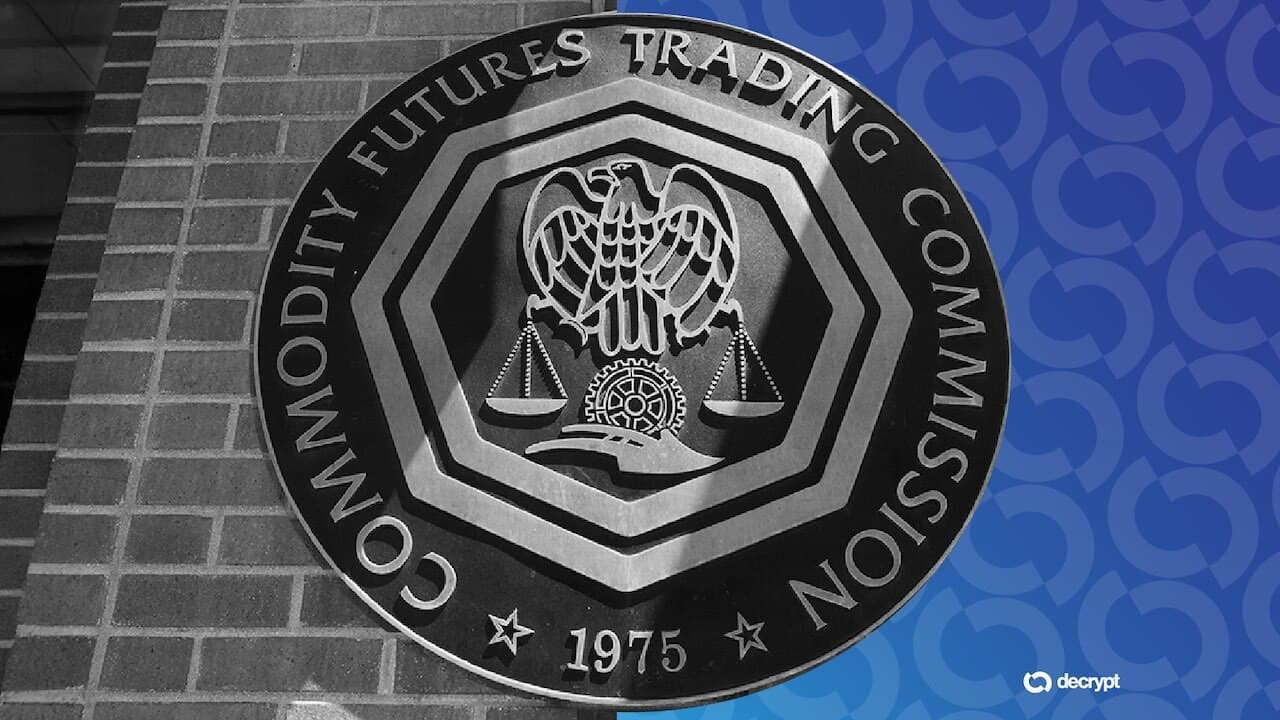
Minnesota just made prediction markets a felony—and the Trump administration came swinging within hours.
The state's new law criminalizes the creation or operation of prediction markets within its borders, drawing immediate legal fire from both the Commodity Futures Trading Commission (CFTC) and Department of Justice (DOJ). The federal agencies argue the statute directly conflicts with federal regulatory frameworks and exceeds state authority over interstate commerce.
The Minnesota Move
Minnesota's legislative action treats prediction market operators as criminals, establishing felony-level penalties for anyone facilitating these platforms in the state. The ban is broad: it doesn't carve out exceptions for educational platforms, research, or small-scale operations. Essentially, anyone caught running a prediction market faces serious legal consequences.
This matters because prediction markets—platforms where users trade contracts based on future outcomes—have grown into a significant corner of crypto trading. Platforms like Polymarket have demonstrated real utility for price discovery and information aggregation, attracting institutional and retail participants alike. Minnesota's move appears to be a protectionist or morality-driven reaction, but it sidesteps the question of federal jurisdiction.
Federal Authority Takes Center Stage
The CFTC and DOJ's swift lawsuit positions this as a constitutional clash, not just regulatory disagreement. Their core argument: states cannot unilaterally ban financial instruments regulated under federal law. The federal government asserts that prediction markets fall under CFTC jurisdiction when they involve derivatives or commodity futures contracts.
This friction between state and federal power is increasingly common in crypto policy. States want autonomy over what financial activities occur within their borders. The federal government argues that allowing a patchwork of state bans would fragment markets and create compliance nightmares.
The Trump administration's aggressive posture here signals it's willing to defend federal regulatory turf—even on issues where the administration might otherwise favor deregulation. It's a straightforward federalism play: protecting the federal government's jurisdiction over interstate commerce and derivatives markets.
What Happens Next
If federal courts side with the CFTC and DOJ, Minnesota's ban likely gets struck down as unconstitutional. That would be a significant win for prediction market platforms and their users. However, the case could take months or years to resolve, creating uncertainty for anyone operating in the space.
The broader implication: states can't simply criminalize financial instruments that fall under federal regulatory authority, even if they have legitimate public policy concerns. But this doesn't mean states have zero power—they could theoretically impose licensing requirements, consumer protections, or other guardrails that don't directly conflict with federal frameworks.
Minnesota's ban is also politically interesting. It suggests some state governments see prediction markets as threats—whether to gambling regulations, political stability, or something else entirely. That fear may motivate other states to follow Minnesota's lead, setting up a larger federalism showdown.
Alpha Take
This lawsuit exposes the tension between state autonomy and federal regulatory supremacy in crypto markets. Prediction markets have legitimate use cases in price discovery and information markets, but regulatory clarity remains missing. Traders should monitor this case closely—a federal victory here would signal the Trump administration is serious about establishing CFTC authority over crypto derivatives, potentially opening pathways for more prediction market platforms to operate legally across state lines.
Originally reported by
Decrypt
Not financial advice. Crypto investing involves significant risk. Past performance does not guarantee future results. Always do your own research.