
Trump Backs AI License Plate Tech Despite Growing Congressional Opposition
President Trump has publicly endorsed Flock Safety's AI-powered surveillance cameras, positioning himself squarely against bipartisan legislative pushback on the privacy-invasive technology. Speaking aboard Air Force One, Trump stated he "likes" the license plate readers, signaling strong executiv
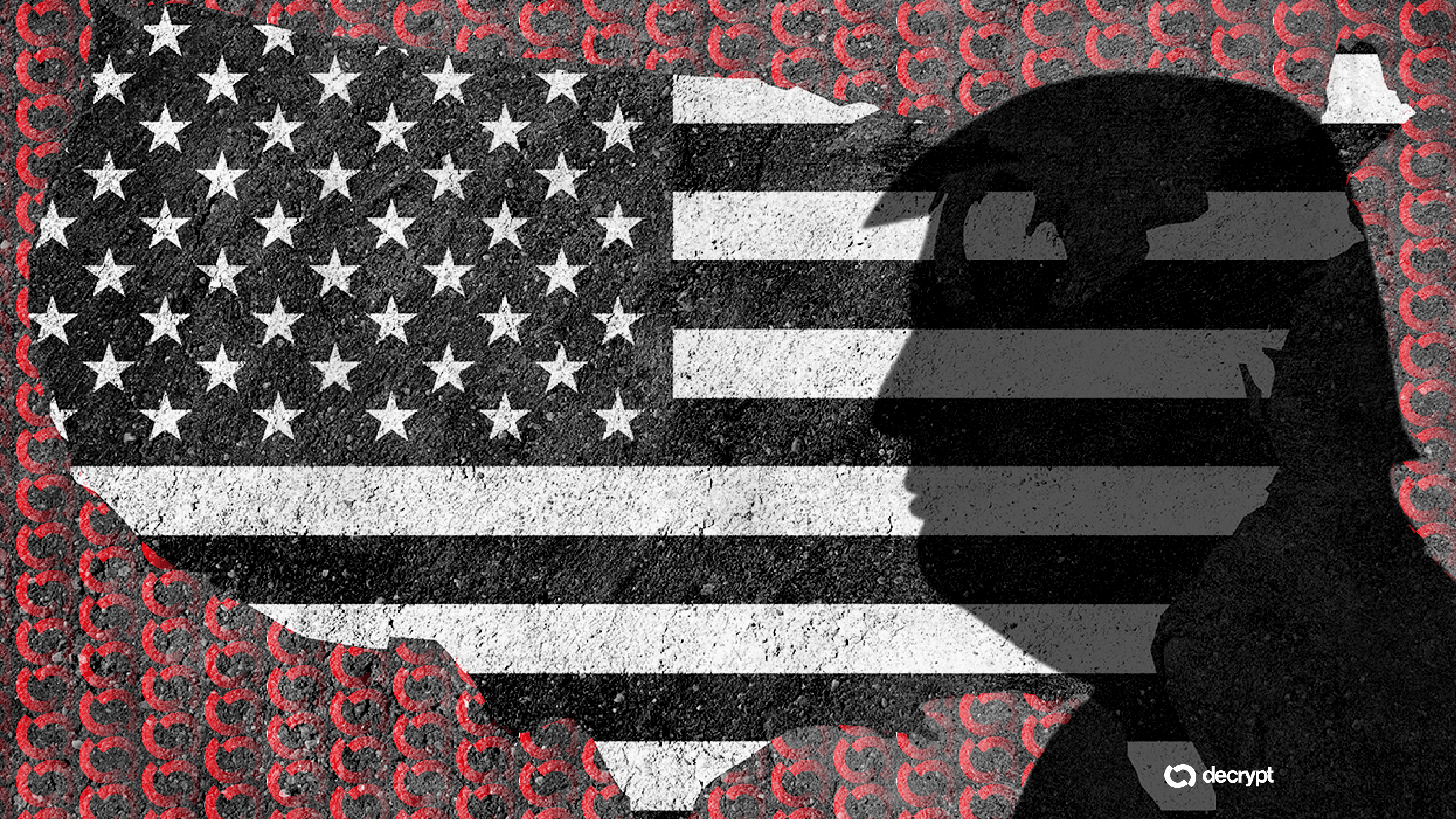
President Trump has publicly endorsed Flock Safety's AI-powered surveillance cameras, positioning himself squarely against bipartisan legislative pushback on the privacy-invasive technology.
Speaking aboard Air Force One, Trump stated he "likes" the license plate readers, signaling strong executive support for the system that uses artificial intelligence to scan and identify vehicles in real time. The endorsement comes as the company faces mounting scrutiny from lawmakers concerned about civil liberties implications.
The Political Headwinds
The pro-Flock stance puts Trump at odds with an unlikely coalition. Bernie Sanders has already pledged to introduce legislation targeting the surveillance technology, while a separate Senate investigation has been launched into Flock's data collection and deployment practices. This bipartisan resistance signals genuine concern about how the AI-powered readers operate across American neighborhoods.
Flock Safety's cameras represent a new frontier in surveillance technology. The license plate readers use machine learning to identify vehicles, create searchable databases, and flag matches against watchlists—raising immediate questions about data security, government overreach, and Fourth Amendment protections. Civil libertarians and privacy advocates have raised alarms about mission creep, particularly in how law enforcement agencies use the technology for investigations.
What Flock Does
The company's technology works by installing cameras in neighborhoods, parking lots, and traffic corridors. These devices photograph every passing vehicle, extract license plate information, and feed the data into centralized databases accessible to law enforcement. While Flock positions the cameras as crime-fighting tools, critics worry about surveillance expansion without adequate warrant requirements or transparency.
The tension between security and privacy is nothing new in American policy debates. But AI-powered surveillance at this scale represents an escalation. Unlike traditional security cameras requiring human review, Flock's automated systems operate 24/7, storing data indefinitely and enabling police to search historical footage for vehicles matching arbitrary criteria.
Trump's Play
By publicly backing Flock, Trump frames himself as pro-law enforcement and tough on crime—traditional Republican positioning. Yet the endorsement also reflects ideological contradictions within conservatism regarding surveillance and government power. Some Republicans worry about federal authorities using such technology against political opponents or ordinary citizens.
Sanders' promised legislation represents the left's civil liberties concerns. The Vermont senator has consistently opposed surveillance expansion, particularly technology that disproportionately affects marginalized communities where police deploy such systems most aggressively.
The Flock controversy exposes deep fissures in how Americans want to balance security and privacy. The company operates in hundreds of U.S. cities and counties. Its technology provides law enforcement genuine investigative advantages—but at what cost to constitutional protections?
As this debate intensifies, Trump's endorsement gives Flock political cover, at least in the executive branch. Meanwhile, Sanders and allies prepare legislative countermeasures. The outcome will shape not just Flock's trajectory but broader standards for AI surveillance deployment across America.
Alpha Take
While crypto markets don't directly trade Flock's technology, this political battle signals how governments increasingly grapple with AI and data sovereignty—issues fundamental to decentralized finance and blockchain adoption. Privacy-focused crypto projects and privacy coins may see renewed interest as traditional surveillance expands. Investors should monitor how policy developments around data collection and AI might accelerate interest in anonymous transaction protocols and privacy-preserving technologies within the crypto ecosystem.
Originally reported by
Decrypt
Not financial advice. Crypto investing involves significant risk. Past performance does not guarantee future results. Always do your own research.