
Trump-Connected Stablecoin Project Clears First Banking Hurdle—But Conditions Apply
World Liberty, the Trump-linked entity behind the USD1 stablecoin initiative, has secured a conditional bank charter that marks a significant milestone for the project. The development signals potential regulatory progress for what's shaping up to be one of crypto's most politically charged venture
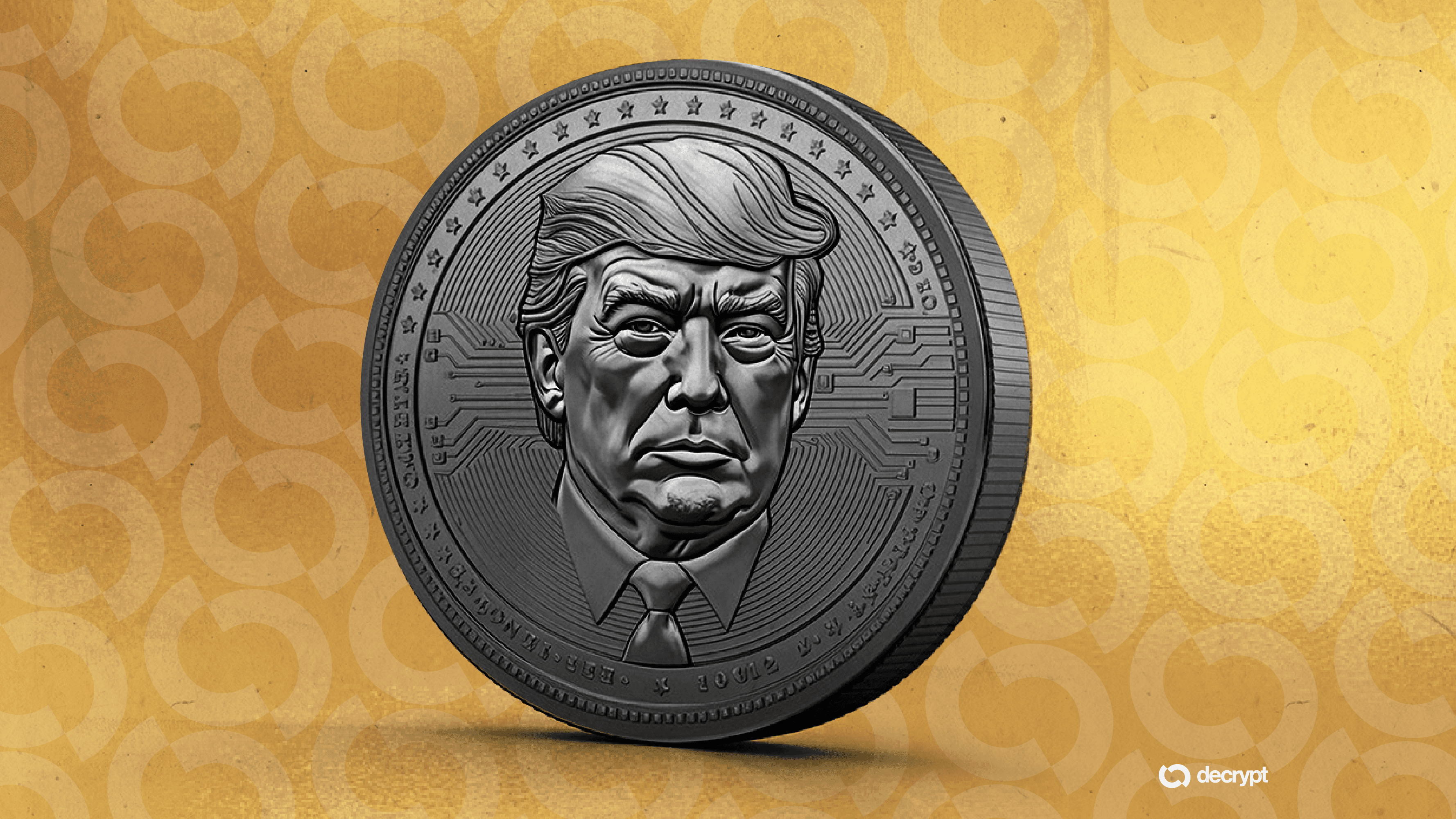
World Liberty, the Trump-linked entity behind the USD1 stablecoin initiative, has secured a conditional bank charter that marks a significant milestone for the project. The development signals potential regulatory progress for what's shaping up to be one of crypto's most politically charged ventures.
Here's what's happening: World Liberty Trust Company—the banking entity behind this effort—has been granted approval to take over stablecoin issuance responsibilities from BitGo, the current issuer. This transition represents more than a simple operational shuffle; it's a structural change that could accelerate USD1's path toward mainstream adoption and regulatory legitimacy.
The Charter's Strategic Importance
The conditional bank charter is genuinely material for the USD1 project. By obtaining this authorization, World Liberty can now operate as a depository institution, which provides the regulatory framework necessary for stablecoin operations. This isn't a full green light—the charter comes with conditions attached—but it's substantially more credible than operating in regulatory gray zones that plague many crypto projects.
For traders and portfolio managers, this matters because bank charters reduce counterparty risk. When a stablecoin issuer operates under banking supervision, there's actual regulatory oversight of reserves, redemption processes, and operational safeguards. BitGo's current role appears to be winding down as World Liberty assumes these responsibilities.
What Makes This Different
The Trump administration's visible support for this project has undoubtedly influenced the regulatory reception. Unlike many stablecoin initiatives that face institutional skepticism, USD1 has received what appears to be expedited consideration. Whether you view that as favorable deregulation or political favoritism, the practical outcome is the same: fewer regulatory obstacles than competitors face.
The USD1 stablecoin itself competes directly with established players like USDC, USDT, and USDP. Those projects have spent years building reserve transparency and market acceptance. USD1's advantage isn't technological—it's regulatory positioning and political backing. In crypto markets, that can matter significantly when navigating compliance challenges.
The Conditional Nature Matters
We shouldn't gloss over the "conditional" part. Conditional charters typically come with requirements around reserve management, audit procedures, capital ratios, and operational protocols that World Liberty must satisfy. Missing these conditions could trigger enforcement action or charter revocation. This means the project still faces compliance hurdles before full operations commence.
BitGo's role in this transition is worth monitoring. As the current issuer, they've presumably maintained USD1's reserve accounts and handled redemptions. The operational handoff to World Liberty Trust Company requires seamless execution—any hiccups here could undermine market confidence in the stablecoin's integrity.
Alpha Take
World Liberty's conditional charter represents real regulatory progress for Trump-aligned crypto initiatives, but "conditional" is the operative word. The transition from BitGo suggests imminent operational changes that traders should watch closely. For portfolio managers considering USD1 exposure, the banking charter improves risk management, though competitive positioning against established stablecoins remains uncertain. Monitor World Liberty's ability to satisfy charter conditions—failure here could significantly impact USD1's market viability.
Originally reported by
Decrypt
Not financial advice. Crypto investing involves significant risk. Past performance does not guarantee future results. Always do your own research.