
Trump Names Jay Clayton to Head New Super Intelligence Force—What It Means for Crypto Policy
President Donald Trump has appointed Jay Clayton, the current US intelligence chief, to lead a newly formed Super Intelligence Force (SIF), positioning the organization to report directly to Trump and Chief of Staff Susie Wiles. This move signals Trump's intent to consolidate intelligence operatio
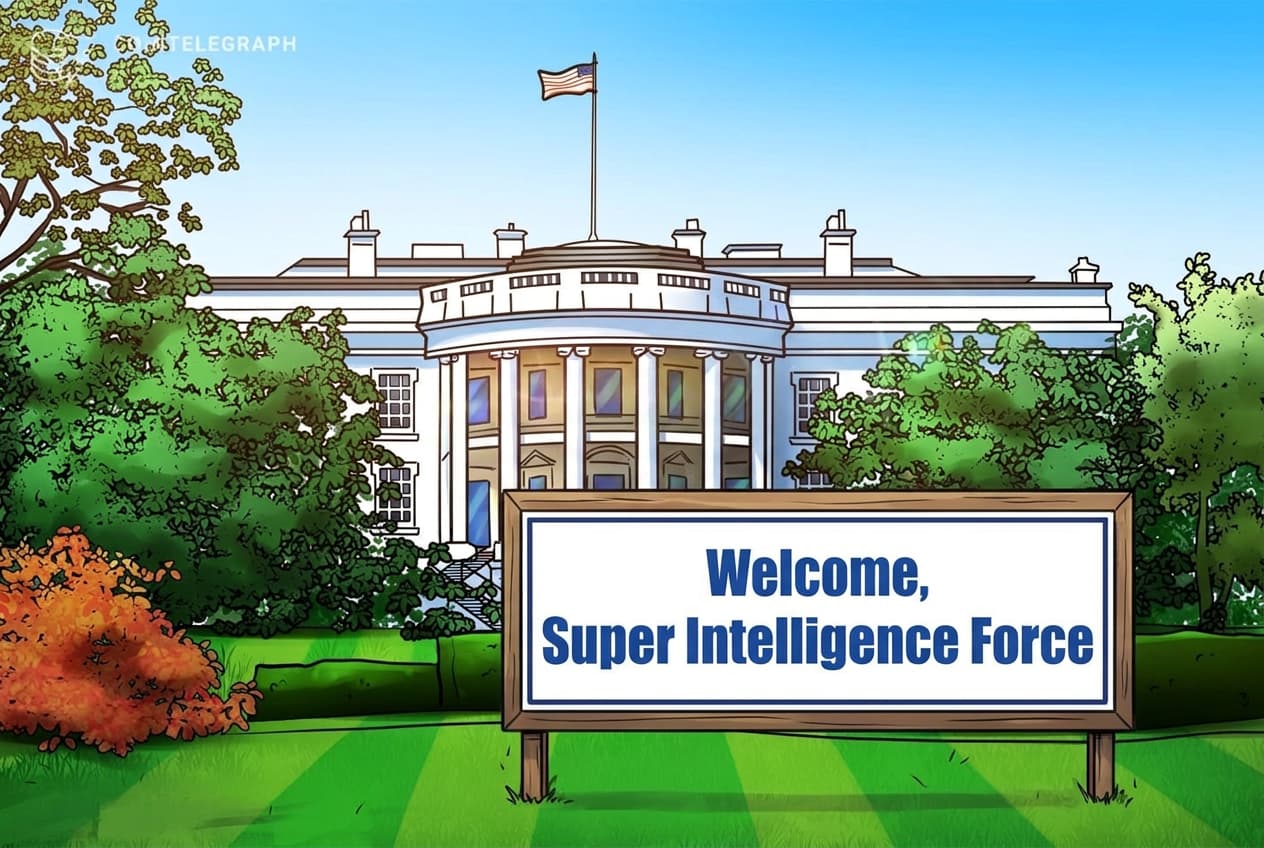
President Donald Trump has appointed Jay Clayton, the current US intelligence chief, to lead a newly formed Super Intelligence Force (SIF), positioning the organization to report directly to Trump and Chief of Staff Susie Wiles.
This move signals Trump's intent to consolidate intelligence operations under a centralized command structure. Clayton's appointment puts a trusted figure at the helm of what appears to be a strategic reorganization of how the administration handles intelligence gathering and analysis.
Who Is Jay Clayton?
Clayton brings significant experience to the role. His background in national security and intelligence operations has made him a key player in Trump's inner circle. By naming him to head the SIF, Trump is clearly signaling confidence in Clayton's ability to manage what could be a significant expansion or restructuring of US intelligence capabilities.
The reporting structure—directly to the president with Chief of Staff Susie Wiles as an intermediary—suggests this force will have substantial operational authority and quick decision-making capabilities. This bypasses traditional bureaucratic channels, giving the SIF direct access to executive decision-making.
Implications for the Broader Intelligence Community
The creation of the SIF and Clayton's appointment raises questions about how traditional intelligence agencies will coordinate with this new entity. Whether this represents consolidation, competition, or a parallel structure remains to be seen. The crypto and financial intelligence communities should pay attention—intelligence operations often intersect with financial crime prevention, sanctions enforcement, and asset tracking.
For traders and crypto market participants, intelligence reorganizations can signal shifts in regulatory focus. Changes to how the US coordinates intelligence on financial flows, illicit crypto activity, and sanctions compliance could trickle down into policy actions affecting bitcoin, ethereum, and other digital assets.
What's Next?
The announcement doesn't include specific details about the SIF's mandate, budget, or operational scope. That's typical for initial staffing announcements, but it also leaves room for interpretation about where this force's priorities will lie.
Clayton will need to coordinate with existing intelligence agencies while establishing the SIF's unique role. This could affect how US intelligence approaches emerging technologies—including blockchain analysis, crypto transaction tracking, and digital asset oversight.
Alpha Take
Trump's creation of the SIF and Clayton's appointment signal a potential shift toward more centralized intelligence operations. While the immediate crypto implications are unclear, traders should monitor how this reorganization affects regulatory enforcement around digital assets and financial intelligence gathering. Any shifts in how the US tracks blockchain transactions or coordinates sanctions could create trading volatility in crypto markets. Keep watch on how the SIF coordinates with Treasury and FinCEN on crypto policy.
Originally reported by
CoinTelegraph
Not financial advice. Crypto investing involves significant risk. Past performance does not guarantee future results. Always do your own research.