
Trump Pumps Brakes on AI Crackdown: Strategic Play to Keep US Ahead of China in Tech Race
Trump's moving strategically on artificial intelligence regulation, hitting pause on a proposed executive order that had sparked tension within his administration. The delay?
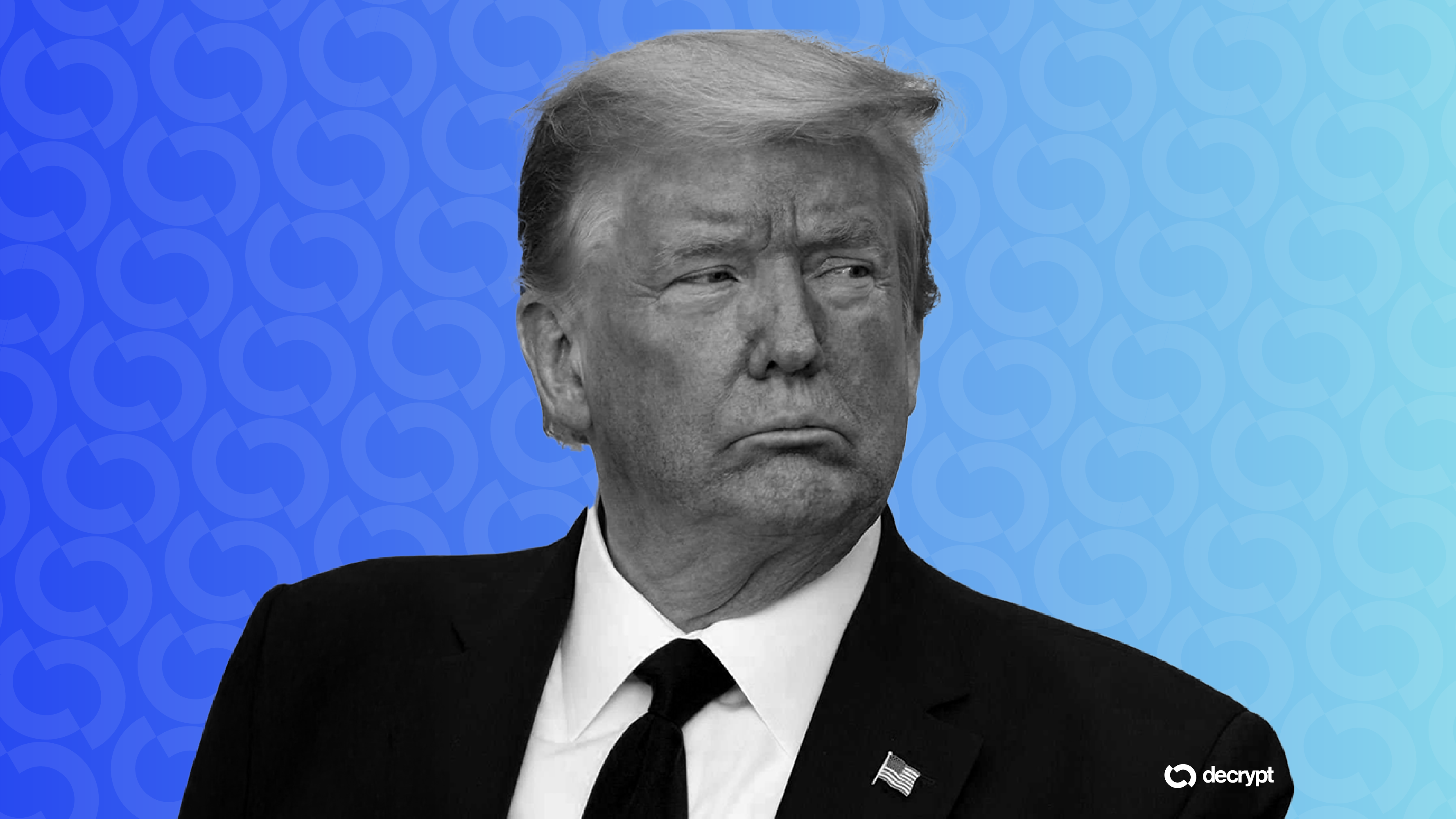
Trump's moving strategically on artificial intelligence regulation, hitting pause on a proposed executive order that had sparked tension within his administration. The delay? He's worried aggressive AI restrictions could actually weaken America's competitive position against China—exactly the opposite of what he's trying to achieve.
The Calculation
Here's the core tension: elements of the original proposal would've imposed controls that Trump fears could slow down U.S. AI development just when China's accelerating its own capabilities. It's a classic regulatory dilemma—you want to maintain technological dominance, but you also need guardrails. Both can't happen simultaneously if the guardrails handicap your own industry.
The delay signals Trump's prioritizing economic competitiveness over immediate regulatory action. That's a calculated bet that the U.S. can outpace China through innovation speed rather than defensive restrictions. In crypto terms, think of it like choosing to build faster on-chain rather than adding restrictive governance layers.
What This Means for AI and Crypto Markets
This decision ripples across multiple sectors. AI stocks and crypto projects tied to AI infrastructure got a lifeline—no arbitrary compliance costs crushing margins. For the broader crypto market, it reinforces a pattern we're tracking at Alpha Factory: regulatory hesitation when it conflicts with economic dominance concerns.
The geopolitical subtext matters here. The U.S. views AI and advanced computing as critical infrastructure in superpower competition. That same logic increasingly applies to crypto and blockchain technology—which explains why crypto policy is often framed through a China competitiveness lens rather than pure consumer protection.
Trump's team likely deliberated hard on this. Some officials probably wanted aggressive AI guardrails; others pushed the China-threat angle. The fact that the China argument won suggests the administration sees losing the AI race as a greater threat than regulatory gaps.
The Broader Picture
This isn't just about AI regulation—it's about how the U.S. government balances innovation with control. The decision creates a window where AI companies (and tangentially, crypto infrastructure projects) operate with less regulatory overhead. That could accelerate development but also leaves room for problematic practices to flourish unchecked.
For crypto investors and portfolio managers, the pattern is clear: regulations get soft-pedaled when national security or economic dominance is the frame. China's dominance in crypto mining and certain blockchain sectors has occasionally triggered protective U.S. moves. Watch for similar delays or modifications if crypto technologies are viewed as critical to competitive advantage.
The delayed order doesn't mean AI regulation disappears—it likely means a retooled version that's less restrictive on domestic players while potentially targeting foreign competitors harder. Same playbook, different execution.
Alpha Take
Trump's AI order delay reveals how geopolitical competition with China is reshaping regulatory priorities across tech and crypto. Expect future policies to focus less on blanket restrictions and more on maintaining U.S. competitive edge. For portfolio holders in AI-adjacent crypto assets and blockchain infrastructure, this creates near-term tailwinds, but keep watch for eventual retaliation-style regulations targeting foreign players or specific crypto use cases.
Originally reported by
Decrypt
Not financial advice. Crypto investing involves significant risk. Past performance does not guarantee future results. Always do your own research.