
Trump's Crypto Wealth Faces Fresh Scrutiny as Senate Democrats Push Anti-Corruption Agenda
Senate Democrats are moving forward with a proposal to establish a dedicated anti-corruption bureau, and the timing coincides with intensifying questions about Donald Trump's substantial cryptocurrency holdings revealed in recent financial disclosures. The financial filings have exposed something
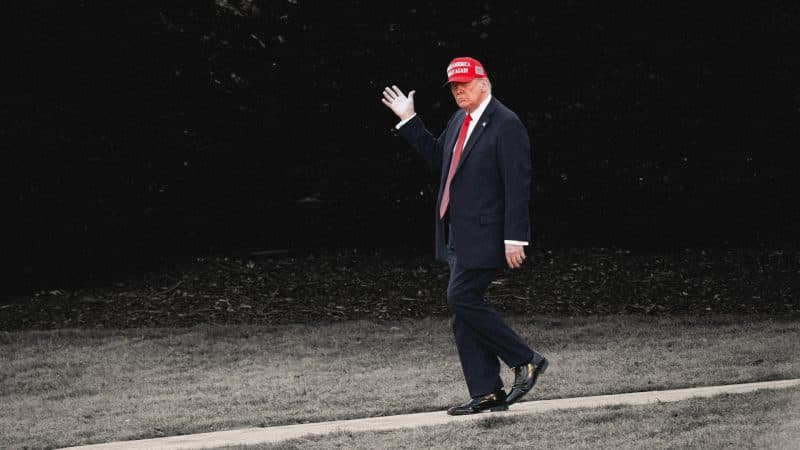
Senate Democrats are moving forward with a proposal to establish a dedicated anti-corruption bureau, and the timing coincides with intensifying questions about Donald Trump's substantial cryptocurrency holdings revealed in recent financial disclosures.
The financial filings have exposed something significant: Trump generated hundreds of millions of dollars in crypto-related income. This revelation has triggered renewed debate about transparency requirements for public figures operating in the digital asset space—a sector that's already under intense regulatory scrutiny from multiple government agencies.
The Political Backdrop
The anti-corruption bureau proposal represents Democrats' attempt to strengthen oversight mechanisms within government, particularly around financial disclosures and potential conflicts of interest. While the initiative isn't specifically targeting crypto holdings, the timing raises questions about whether enhanced scrutiny of high-profile figures' digital asset portfolios could accelerate regulatory frameworks around bitcoin, ethereum, and other cryptocurrencies.
We're watching this closely because it signals where political pressure is building. If implemented, new anti-corruption measures could reshape how elected officials and their associates disclose crypto investments and income streams—territory that's been relatively gray in the regulatory landscape.
Crypto's Growing Political Footprint
Trump's crypto portfolio becoming a political flashpoint underscores how thoroughly digital assets have infiltrated mainstream political discourse. The hundreds of millions in documented crypto-related income puts his holdings in the spotlight precisely when the broader crypto market is grappling with regulatory uncertainty.
This matters for market intelligence purposes: whenever high-profile political figures' cryptocurrency wealth becomes a leverage point in policy debates, it typically precedes more aggressive regulatory action. We've seen this pattern before—public scrutiny converts to political pressure, which converts to legislative proposals.
What's at Stake for Crypto Markets
The Senate Democrats' anti-corruption push, combined with intensified focus on Trump's digital asset income, could accelerate conversations around:
- •Mandatory cryptocurrency disclosure requirements for federal officials
- •Enhanced tax reporting standards for digital asset income
- •Potential restrictions on crypto holdings by government employees and their immediate families
None of this is imminent legislation, but the trajectory matters for trading and portfolio positioning. Markets hate regulatory ambiguity, and right now we're in that uncomfortable middle ground where political attention is rising but concrete rules haven't solidified.
The crypto market has already priced in baseline regulatory risk, but unexpected anti-corruption legislation targeting specific disclosure requirements could create volatility—particularly if the rules apply retroactively or impose penalties on existing holdings.
Alpha Take
Trump's crypto wealth exposure is becoming a political liability that could accelerate anti-corruption legislation with real implications for digital asset regulation. We're monitoring Senate Democratic proposals for specifics on cryptocurrency disclosure requirements, as any new rules could create compliance challenges for high-net-worth investors holding significant bitcoin or ethereum positions. Portfolio managers should prepare for increased regulatory clarity in coming quarters—the political pressure is real, and legislative action typically follows.
Originally reported by
The Block
Not financial advice. Crypto investing involves significant risk. Past performance does not guarantee future results. Always do your own research.