
Trump's Endorsement of Stricter Ethics Rules: A Calculated Move for Crypto Clarity Act
Republicans have landed what they're calling their "last, best and final offer" on ethics reform, and they've secured Donald Trump's backing. The revised proposal doubles down on stronger ethics rules while making strategic concessions on two contentious crypto issues: decentralized finance (DeFi)
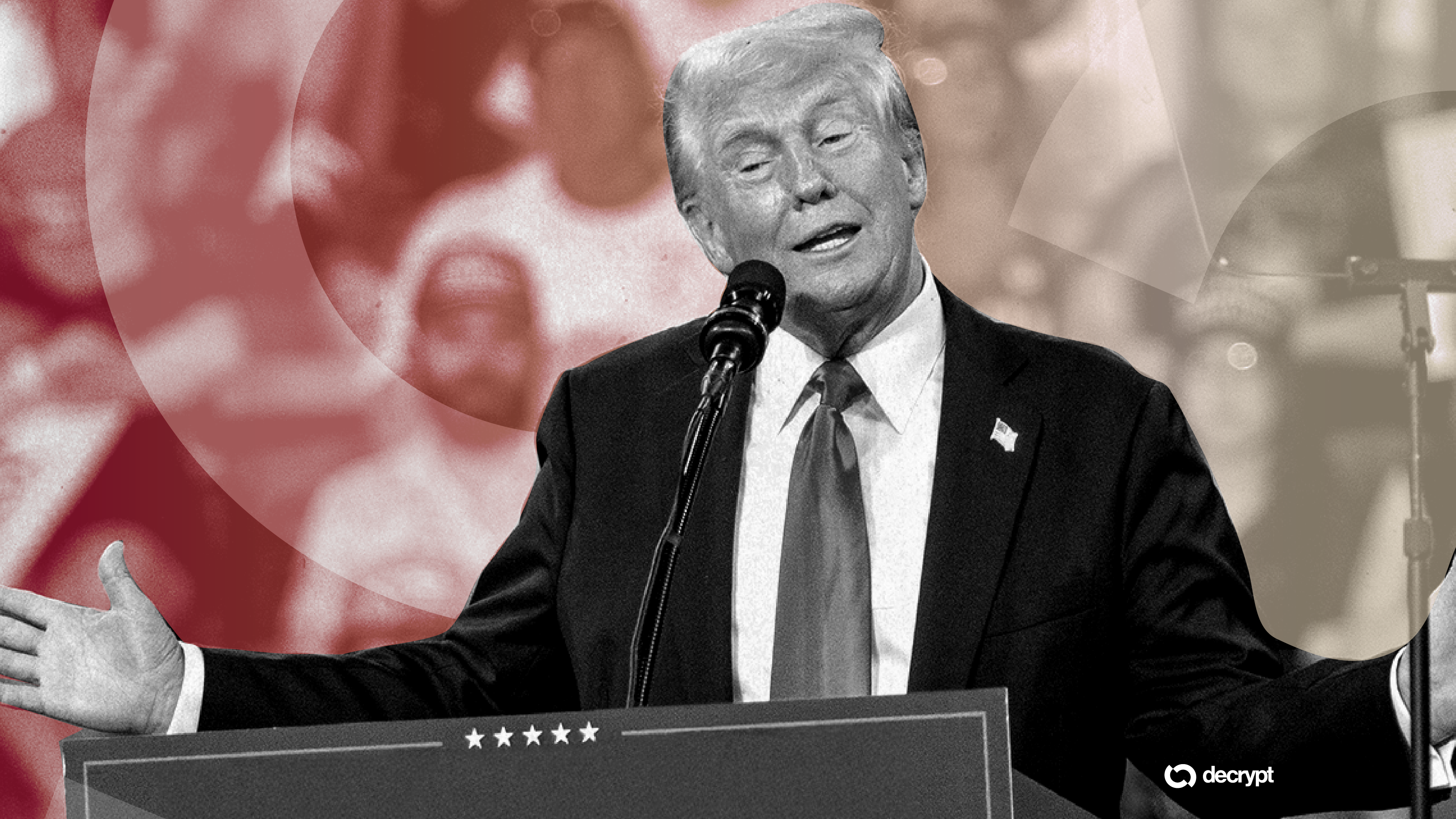
Republicans have landed what they're calling their "last, best and final offer" on ethics reform, and they've secured Donald Trump's backing. The revised proposal doubles down on stronger ethics rules while making strategic concessions on two contentious crypto issues: decentralized finance (DeFi) and stablecoin regulation. The question now hanging over Tuesday's vote: can they peel off enough Democrats to actually pass it?
The Ethics Gambit That Won Trump Over
The Republican proposal tightens ethics standards in ways that caught industry watchers off-guard. By backing these stronger regulations, Trump signaled he's willing to trade ethics concessions for movement on the crypto issues that matter most to the industry and his base. It's a chess move that positions Republicans as the serious players in this negotiation, shifting pressure entirely onto Democrats.
The crypto industry's reading of this? It's a genuine attempt to find middle ground. Republicans essentially said "we've given on ethics—now it's your turn on crypto clarity." That framing matters heading into Tuesday's vote, especially if moderate Democrats are watching.
Where Crypto Gets Its Wins
The real meat for the crypto trading and investment community lies in the DeFi and stablecoin provisions. By backing away from some of the more restrictive language on decentralized finance protocols, Republicans have created space for the emerging DeFi sector to operate with less regulatory ambiguity. For portfolio managers and traders tracking crypto assets, this matters—regulatory clarity typically unlocks institutional capital.
On stablecoins, the compromise acknowledges what market participants have known: blanket restrictions don't work for this space. The revised language appears to distinguish between different stablecoin models rather than implementing a one-size-fits-all framework. That's material for bitcoin, ethereum, and the broader crypto ecosystem, which has been waiting for coherent federal guidance.
The Democrat Problem
Here's where things get sticky. Republicans have their party largely locked in, but the real uncertainty centers on Democratic support. The ethics provisions might attract fiscally-minded Democrats, but will it be enough? We're talking about needing defections from a party that's been skeptical of crypto-friendly legislation.
The timing is intentional. By pushing the vote for Tuesday, Republicans are betting they can maintain momentum and catch Democrats off-guard. Whether Democratic crypto-sympathizers feel emboldened enough to cross the aisle remains the critical variable.
Alpha Take
The Clarity Act represents a genuine inflection point for crypto market intelligence and regulatory framework building. Republicans secured Trump's backing by demonstrating flexibility on ethics—a concession that costs them politically but buys credibility for their DeFi and stablecoin compromise. Traders should watch Tuesday's vote closely: if this passes, expect immediate repricing in crypto assets tied to regulatory risk, particularly in stablecoin and DeFi tokens. A failure would reset negotiations and likely push any clarity framework months into the future.
Originally reported by
Decrypt
Not financial advice. Crypto investing involves significant risk. Past performance does not guarantee future results. Always do your own research.