
Trump's Stablecoin Mandate: OCC Under Pressure to Lock Down GENIUS Act Rules Before Year-End
The Office of the Comptroller of the Currency is pushing hard to wrap up regulatory framework for the GENIUS Act before November, following President Trump's signature on the stablecoin legislation. The Timeline Squeeze We're watching a significant regulatory sprint here.
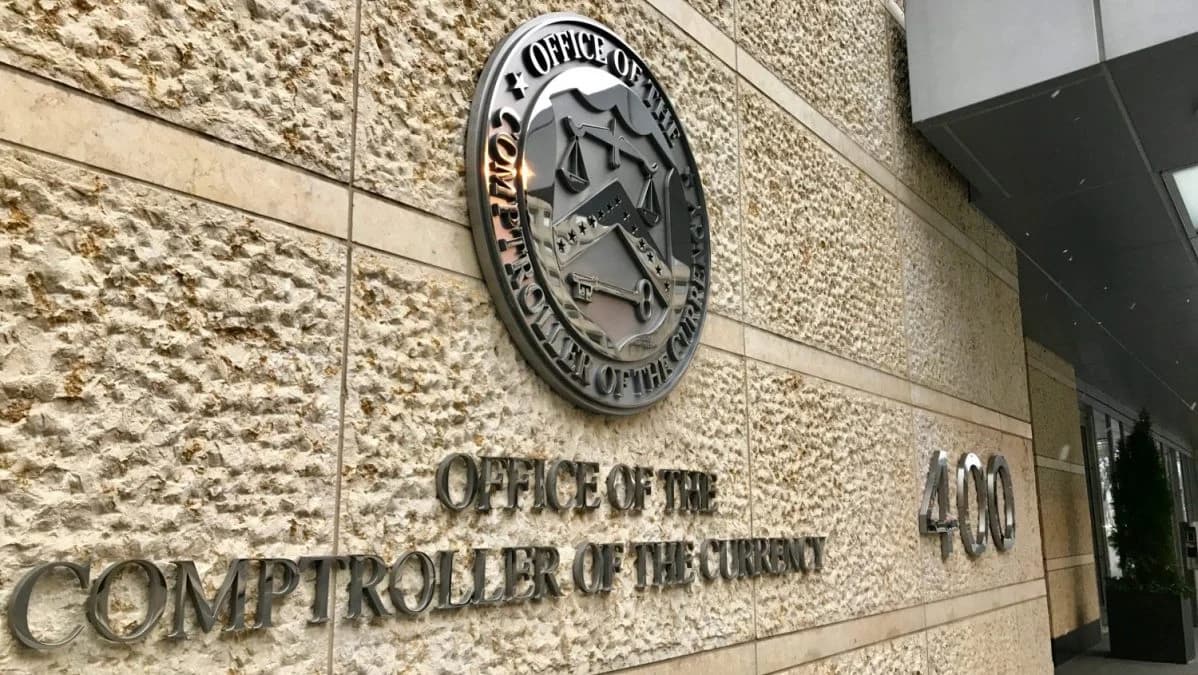
The Office of the Comptroller of the Currency is pushing hard to wrap up regulatory framework for the GENIUS Act before November, following President Trump's signature on the stablecoin legislation.
The Timeline Squeeze
We're watching a significant regulatory sprint here. The OCC has set an aggressive deadline to finalize implementation rules for the stablecoin law that Trump just signed into law. This isn't casual bureaucratic work—it's a full-court press to establish the guardrails for how digital assets will operate within the traditional banking system before the calendar flips.
The urgency signals something important: the crypto community and banking regulators both recognize that clarity around stablecoin rules is essential infrastructure for this market to mature. You can't have institutional adoption or meaningful portfolio integration without knowing the regulatory playbook.
What's at Stake
Stablecoins represent one of crypto's most practical use cases—they're the glue holding DeFi together and the on-ramp for traditional finance into digital assets. But they've also been the regulatory lightning rod, with lawmakers demanding concrete frameworks before issuers get full legitimacy.
The GENIUS Act itself represents a compromise position between crypto innovation advocates and financial regulators. It creates a pathway for banks and fintechs to issue dollar-backed digital tokens while maintaining consumer protections and capital requirements. Think of it as the legal scaffolding that lets stablecoin crypto trading actually scale.
Why November Matters
The November deadline isn't random. Getting rules finalized before the end of the year means market participants can plan their 2025 strategies with actual regulatory certainty rather than speculation. This matters for everyone holding crypto or managing portfolios that touch stablecoins—from retail traders using them for market efficiency to institutions building treasury management solutions around them.
Delayed rules = delayed institutional adoption = prolonged uncertainty in crypto markets. The OCC understands this economic reality. Every month of regulatory limbo costs the industry credibility and real capital.
The Practical Impact
Once these rules are finalized, we should see clearer issuance pathways, better capital requirements for stablecoin reserves, and more defined custody standards. For ethereum and other blockchain networks handling stablecoin trading, this creates a legitimate on-ramp rather than a regulatory gray zone. Banks that have been waiting on the sidelines to offer stablecoin services finally get a clear signal to move forward.
This is also critical for cross-border crypto transactions and settlement efficiency. Stablecoins are the fastest way to move value globally without currency risk—but only if regulators validate their safety first.
Alpha Take
The OCC's aggressive November timeline reflects real market demand for stablecoin legitimacy. Getting rules finalized this year removes a major overhang for crypto adoption by traditional finance. Watch for the actual rule language closely—details around reserve composition and custody will determine whether stablecoins become genuine infrastructure or remain a regulatory afterthought. This is the kind of structural catalyst that reshapes how bitcoin, ethereum, and DeFi assets integrate into mainstream trading.
Originally reported by
The Block
Not financial advice. Crypto investing involves significant risk. Past performance does not guarantee future results. Always do your own research.