
Trump Shelves Housing Bill Over CBDC Ban Clause—Crypto Implications Unclear
President Trump has announced he won't sign the bipartisan housing bill currently before Congress, citing what he calls issues "of minor importance"—but the real sticking point involves a contentious central bank digital currency (CBDC) restriction buried in the legislation. The decision creates i
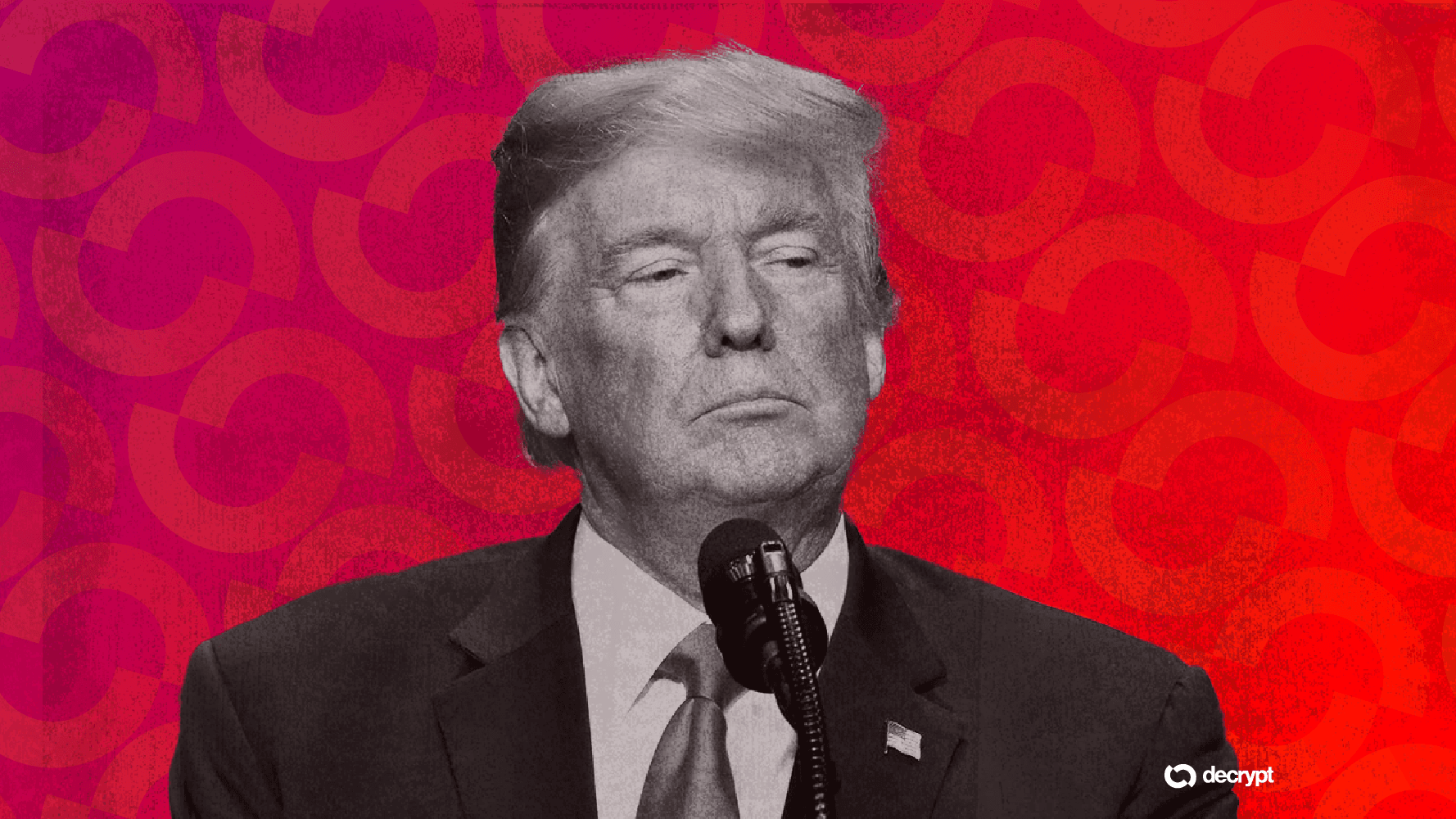
President Trump has announced he won't sign the bipartisan housing bill currently before Congress, citing what he calls issues "of minor importance"—but the real sticking point involves a contentious central bank digital currency (CBDC) restriction buried in the legislation.
The decision creates immediate uncertainty around crypto policy at the federal level. While Trump has positioned himself as pro-crypto during his political campaign, the move to delay the housing bill signals potential friction between different policy priorities within his administration.
What's Actually in the Bill?
The housing legislation has garnered bipartisan support in Congress, but includes language that would limit the Federal Reserve's ability to issue a retail CBDC without explicit Congressional authorization. This provision represents a significant attempt to constrain the central bank's digital currency ambitions—something traditionally favored by cryptocurrency advocates who view CBDCs as potential threats to decentralized crypto adoption.
Trump's resistance to signing the bill until Congress addresses separate voting rights legislation suggests the housing measure isn't his immediate priority, despite its bipartisan nature and widespread support among lawmakers.
The CBDC Angle: What Traders Should Know
For crypto analysis purposes, this development matters. A CBDC ban could theoretically reduce institutional competition for Bitcoin and Ethereum by blocking one potential gateway into digital asset adoption. However, the current delay indicates Trump may not view CBDC restrictions as urgent—potentially signaling openness to future Federal Reserve digital currency exploration under different circumstances.
The market hasn't reacted dramatically to this news, suggesting traders aren't reading it as a major negative for Bitcoin or Ethereum valuations. That's worth noting: the crypto community has mixed opinions on CBDCs anyway. Some see them as inevitable infrastructure that could legitimize blockchain technology broadly, while hardliners view them as surveillance mechanisms.
Broader Policy Uncertainty
What this really highlights is the complexity of navigating crypto policy through traditional legislative channels. A housing bill shouldn't require taking positions on digital currency frameworks, yet here we are. It demonstrates how crypto regulation continues to get entangled with unrelated legislation—making portfolio management around policy risk more difficult.
Trump's willingness to leverage housing policy for voting rights priorities shows that crypto-adjacent measures (like CBDC restrictions) may get caught in larger political chess matches, regardless of their individual merit.
The crypto market intelligence community will be watching whether Trump eventually signs this bill and whether the CBDC language survives final passage. Both outcomes carry implications for how aggressively the Federal Reserve might pursue digital currency initiatives over the next 2-4 years.
Alpha Take
Trump's refusal to sign the housing bill highlights how crypto policy—particularly CBDC regulation—remains entangled with broader political priorities rather than driven by coherent digital asset strategy. While the CBDC ban clause theoretically benefits decentralized crypto, the delay suggests it's not Trump's primary concern, indicating potential flexibility on Federal Reserve digital currency efforts ahead. Watch for whether final bill passage includes modified CBDC language; this could signal either strengthening or weakening of congressional resistance to retail CBDCs.
Originally reported by
Decrypt
Not financial advice. Crypto investing involves significant risk. Past performance does not guarantee future results. Always do your own research.