
Trump Taps Former SEC Chair Clayton for AI Oversight Role: What This Means for Crypto
Trump is expected to appoint Jay Clayton, the former SEC chair and current US intelligence official, to lead AI policy and innovation across the government. Multiple reports indicate Clayton will also be tasked with managing oversight of major tech CEOs through what sources describe as "self-polici
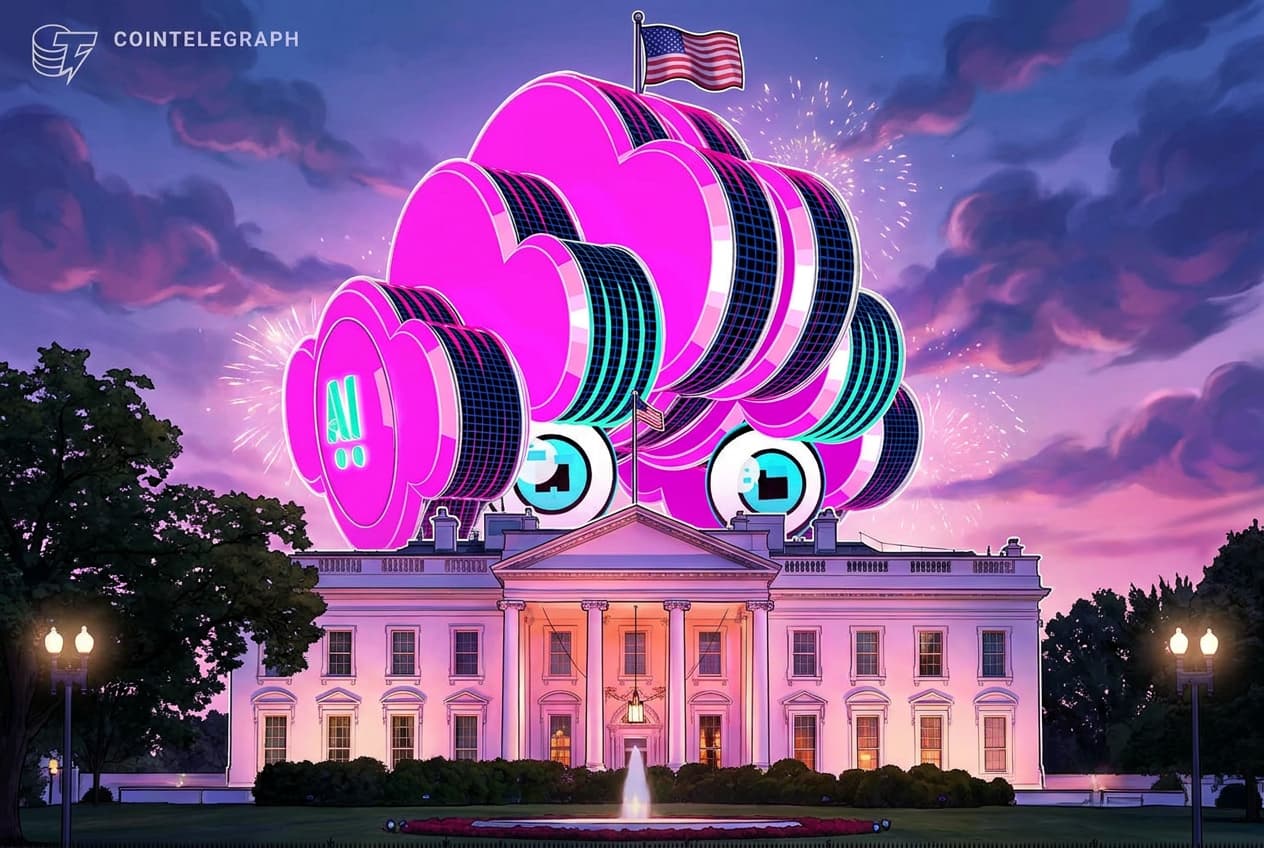
Trump is expected to appoint Jay Clayton, the former SEC chair and current US intelligence official, to lead AI policy and innovation across the government. Multiple reports indicate Clayton will also be tasked with managing oversight of major tech CEOs through what sources describe as "self-policing" mechanisms.
The move signals Trump's intention to centralize AI governance under a single authority while maintaining lighter regulatory touch on the technology sector itself. Clayton's dual background—both in securities regulation and intelligence—positions him as a bridge between traditional financial oversight and emerging tech policy.
Clayton's Track Record on Crypto
Clayton's tenure at the SEC (2017-2020) shaped the regulatory framework that still governs crypto markets today. He was instrumental in classifying most digital assets as securities, establishing the legal foundation for how exchanges, tokens, and crypto projects operate. His SEC leadership prioritized investor protection while attempting to balance innovation—a tension that continues to define US crypto policy.
During his time, Clayton pushed for stricter compliance standards on initial coin offerings (ICOs) and helped develop guidance distinguishing utility tokens from securities. His nuanced approach acknowledged crypto's potential while imposing guardrails that some in the industry viewed as restrictive.
What "Self-Policing" Actually Means
The "self-policing" framework Clayton will oversee represents a significant departure from heavy-handed regulation. Rather than government agencies writing new rules, this approach asks tech and financial companies—including crypto platforms—to establish internal compliance standards and police their own operations.
For the crypto trading and portfolio management community, this is a double-edged sword. Self-regulation can accelerate innovation and reduce bureaucratic friction, but it also relies on industry goodwill and may create accountability gaps when enforcement fails.
The Intelligence Angle
Clayton's current role as US intelligence official adds another dimension. His appointment suggests AI oversight will be intertwined with national security concerns—particularly regarding how advanced AI systems handle sensitive data and foreign interference. This could indirectly impact crypto infrastructure, especially stablecoins and blockchain-based systems that process financial transactions at scale.
Intelligence agencies have shown increasing interest in cryptocurrency's role in national security, from sanctions enforcement to tracking illicit fund flows. Clayton's dual appointment hints that AI policy won't be purely commercial; it'll have geopolitical implications.
Market Intelligence Implications
Clayton's appointment likely accelerates regulatory clarity around AI and crypto convergence. We're seeing explosive growth in AI-powered trading tools, algorithmic market makers, and blockchain-based AI infrastructure. Having a single authority coordinate policy could streamline approval processes—or create new bottlenecks depending on implementation.
The "self-policing" model suggests the administration favors lighter touch regulation, which generally bullish for the crypto sector. However, Clayton's securities background means crypto exchanges and token projects shouldn't expect a free pass. Expect renewed focus on custody standards, customer protection, and market manipulation prevention.
Alpha Take
Clayton's appointment bridges intelligence, AI, and financial regulation—three domains increasingly relevant to crypto market intelligence. His preference for industry self-governance over heavy regulation could create opportunities for well-compliant crypto platforms, but his SEC credibility suggests enforcement against bad actors remains likely. Watch for policy guidance on AI-enabled trading and stablecoin regulation within 90 days.
Originally reported by
CoinTelegraph
Not financial advice. Crypto investing involves significant risk. Past performance does not guarantee future results. Always do your own research.