
Trump Vetoes Housing Bill, But Anti-CBDC Provisions Still Head to Law
Donald Trump just threw a wrench into the works. The president confirmed via social media that he won't sign the 21st Century ROAD to Housing Act—but here's the kicker: the bill's central provision banning a US CBDC until end of 2030 is set to become law anyway this Saturday, with or without his si
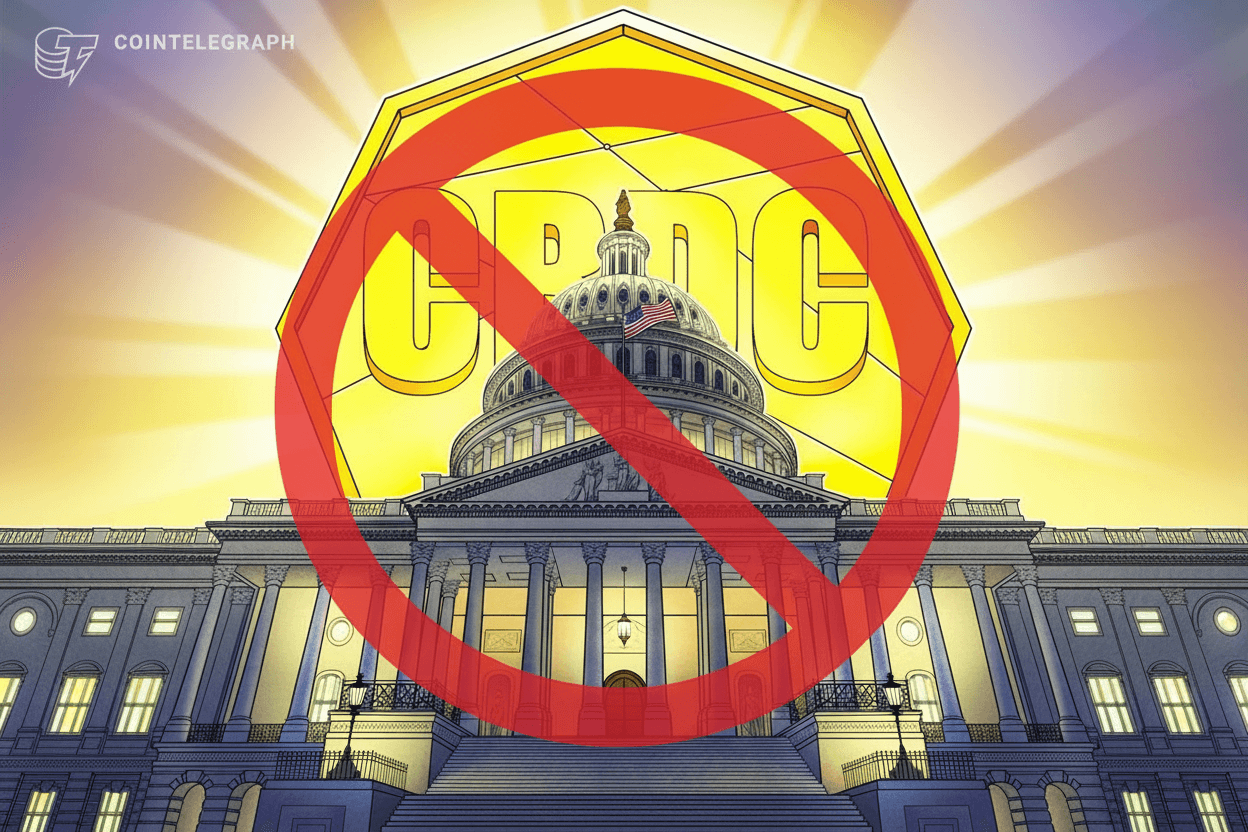
Donald Trump just threw a wrench into the works. The president confirmed via social media that he won't sign the 21st Century ROAD to Housing Act—but here's the kicker: the bill's central provision banning a US CBDC until end of 2030 is set to become law anyway this Saturday, with or without his signature.
This is pure legislative mechanics at work. When Congress passes a bill with veto-proof majorities (which this appears headed toward), the clock starts ticking. Ten days after presentation to the president, unsigned bills automatically become law. Trump's public rejection essentially guarantees we're hitting that Saturday deadline, locking in the CBDC restrictions whether he likes it or not.
What's Actually in the Bill
The 21st Century ROAD to Housing Act bundles housing policy reforms with explicit crypto guardrails. The centerpiece: a hard stop on any Federal Reserve or Treasury push toward a central bank digital currency through 2030. This isn't hypothetical positioning—it's a direct legislative block against one of the most contentious debates in crypto policy circles.
For crypto market participants, this matters significantly. CBDC development has lingered as existential background noise for Bitcoin and Ethereum advocates, who worry about government surveillance infrastructure baked into digital currencies. With this ban locked in, that particular regulatory risk gets shelved for seven years.
Trump's Housing Bill Concerns
Trump's refusal to sign suggests his objections are tied to the housing provisions themselves, not necessarily the crypto components. The president has made housing affordability and construction a centerpiece of his agenda, so killing an entire bill for strategic reasons—even one with favorable crypto language—signals those housing elements genuinely didn't meet his standards.
The irony isn't lost on crypto traders watching this unfold: Trump has positioned himself as crypto-friendly during his political comeback, yet he's about to let crypto-protective legislation pass his desk unsigned. It's a textbook example of how real-world politics rarely aligns perfectly with any single constituency's interests.
What Happens Saturday
Come Saturday, the CBDC ban enters the books as federal law. No Trump signature required. No presidential veto drama. Just cold statutory fact: the US can't develop a central bank digital currency until at least December 31, 2030.
For portfolio managers and trading desks tracking regulatory risk, this removes one variable from the equation. Crypto market psychology has been fragmented by competing signals—hawkish Fed rhetoric on one hand, scattered positive political sentiment on the other. A seven-year CBDC moratorium stabilizes at least one piece of that uncertainty.
The housing market implications are murkier without his backing, but for crypto, this is clarity. Whether intentional or not, Trump's refusal to sign this bill just locked in one of the strongest anti-CBDC protections the industry has seen at the federal level.
Alpha Take
The automatic passage of CBDC restrictions removes tail risk from crypto portfolios, even though it comes through an unsigned bill. For traders positioning on regulatory headwinds, this de-risks one major storyline heading into 2030. Watch for how markets price in this decreased government digital currency threat—it's a small but meaningful shift in the macro backdrop for Bitcoin and Ethereum valuations.
Originally reported by
CoinTelegraph
Not financial advice. Crypto investing involves significant risk. Past performance does not guarantee future results. Always do your own research.