
UK Government Signals Major Regulatory Shift for Crypto and Digital Assets
The Economic Secretary to the Treasury made waves this week by flagging an incoming consultation that'll reshape how digital assets and AI agents operate within UK financial markets. This isn't just regulatory noise—it's a signal that Westminster is getting serious about crypto's role in the broade
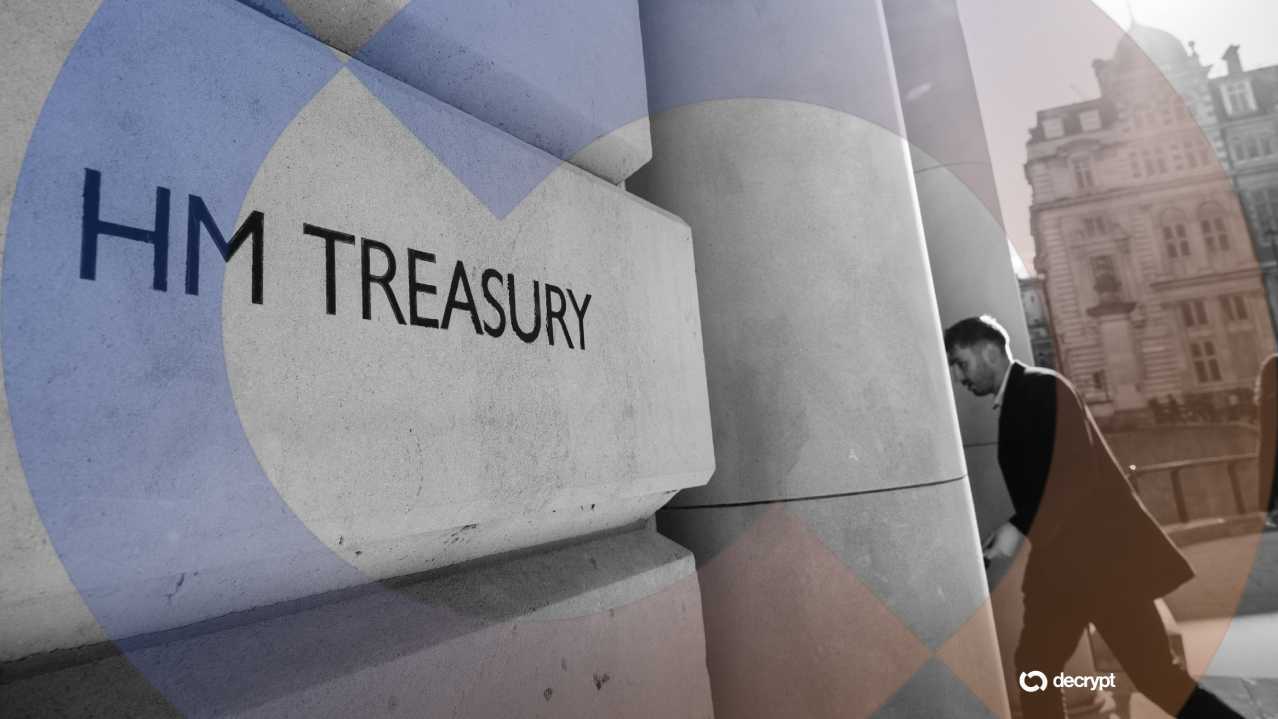
The Economic Secretary to the Treasury made waves this week by flagging an incoming consultation that'll reshape how digital assets and AI agents operate within UK financial markets. This isn't just regulatory noise—it's a signal that Westminster is getting serious about crypto's role in the broader economy.
What's Actually Happening
The consultation will examine digital assets' potential for what officials are calling a "complete transformation" of market infrastructure. Translation: the UK government is exploring how blockchain technology and crypto could fundamentally restructure how payments and settlements work. We're talking about reimagining the plumbing of finance itself, not just tinkering at the edges.
The inclusion of AI agents in this consultation is particularly noteworthy. It suggests policymakers are thinking beyond just bitcoin and ethereum—they're considering how autonomous systems powered by AI could interact with digital asset markets. That's forward-thinking for a regulatory body.
Why This Matters for Traders and Investors
For crypto investors tracking regulatory momentum, this is significant. The UK has been positioning itself as a crypto-friendly jurisdiction for institutional players, and this consultation reinforces that trajectory. Unlike some jurisdictions that have taken a hard line against digital assets, the Treasury is explicitly acknowledging their transformative potential.
The consultation's scope is broad enough to cover stablecoins, tokenized assets, and the broader digital asset ecosystem. That breadth tells us the government isn't trying to wall off crypto—they're trying to integrate it thoughtfully into existing frameworks.
The Macro Picture
This aligns with broader European sentiment shifting toward constructive regulation rather than prohibition. The EU's MiCA framework and now the UK's consultation suggest a regulatory consensus emerging: digital assets aren't going away, so the smart move is building appropriate guardrails rather than resistance.
For portfolio managers and institutional traders, this reduces regulatory tail risk in UK-listed positions and opens doors for compliant digital asset expansion. It also signals potential opportunities for regulated crypto infrastructure providers operating in the UK market.
What Happens Next
The consultation will likely propose frameworks for how payments involving digital assets should be treated under existing financial regulations. We should expect detailed proposals on settlement, custody, anti-money laundering requirements, and consumer protection—the standard regulatory playbook applied to crypto.
The real question is execution speed. If the UK can move from consultation to framework implementation faster than competitors, it strengthens its position as a crypto-adjacent financial hub. Alternatively, if implementation drags, it's just more regulatory theatre.
Alpha Take
The UK Treasury's explicit acknowledgment of digital assets' transformative potential is bullish for regulated crypto markets and established players. This isn't a guarantee of favorable outcomes—consultations can pivot—but it removes some regulatory uncertainty for institutional crypto adoption in Britain. Keep watch on the consultation's specific proposals around stablecoins and settlement; those details will matter most for portfolio positioning.
Originally reported by
Decrypt
Not financial advice. Crypto investing involves significant risk. Past performance does not guarantee future results. Always do your own research.