
US Government Targets $61M in Tether Over Alleged Sanctioned Iran Oil Scheme
The U. S.
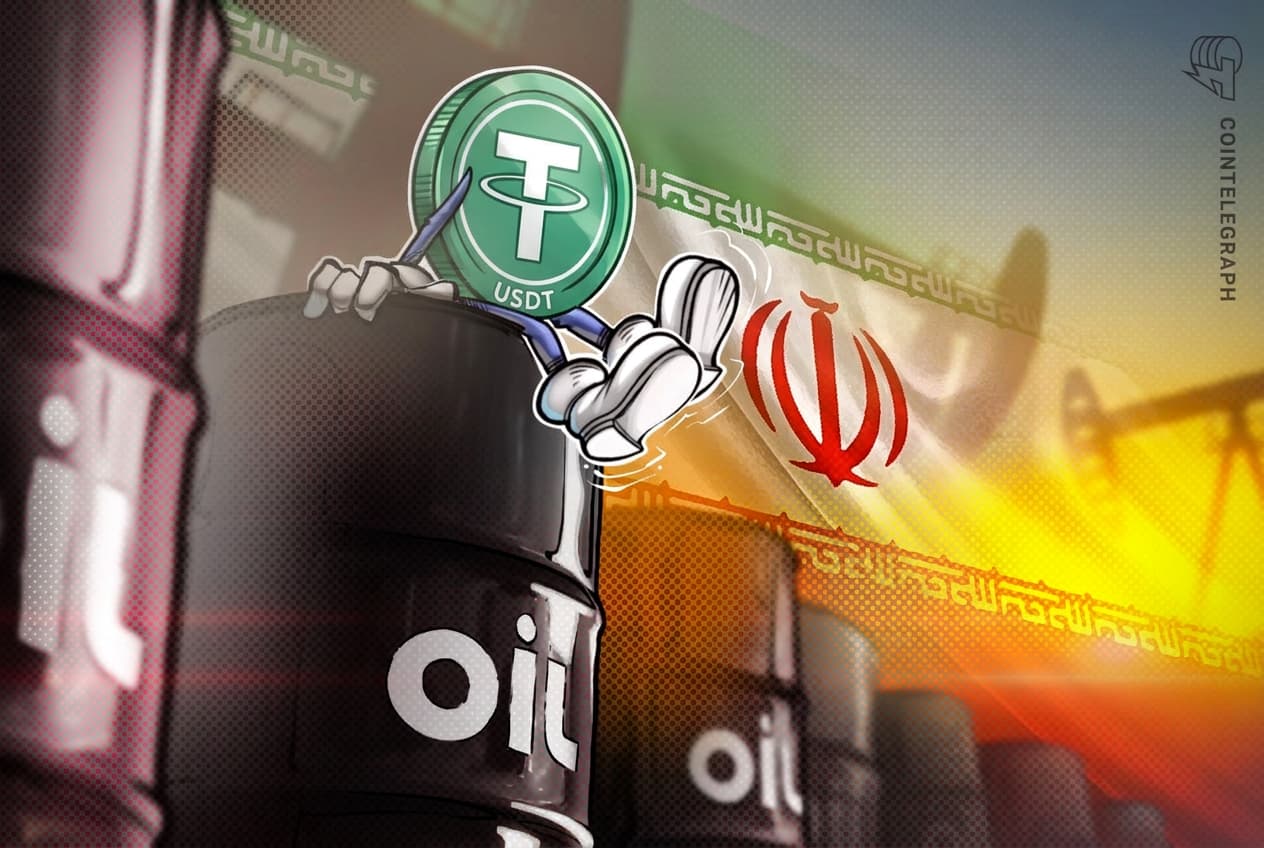
The U.S. Department of Justice is pursuing $61.19 million in USDT that Tether has already frozen across 10 Tron blockchain addresses. Prosecutors contend these funds are directly connected to illicit Iranian oil sales that circumvent international sanctions.
The Enforcement Action
This marks another significant intersection between crypto enforcement and geopolitical sanctions. Tether, the largest stablecoin by market cap, complied with what appears to be a government request or court order, freezing the suspected assets on the Tron network. The move demonstrates how stablecoin operators can become active enforcement partners—whether by choice or legal obligation—in tracking and immobilizing digital assets tied to sanctioned activities.
The alleged connection to Iranian oil black markets is particularly notable. Iran has faced decades of U.S. sanctions designed to restrict its ability to monetize energy exports. Sophisticated actors have repeatedly attempted to use crypto rails to bypass traditional financial controls, converting barrels into blockchain-based value that's theoretically easier to move across borders without triggering traditional banking surveillance.
What This Means for Stablecoin Compliance
The $61.19 million seizure signals that Tether—and by extension, the broader stablecoin ecosystem—remains firmly within the compliance crosshairs of U.S. authorities. Unlike decentralized tokens, stablecoins like USDT have natural chokepoints: Tether issues and redeems the tokens, and the company can freeze accounts when presented with legal authority.
This isn't Tether's first rodeo with sanctions compliance. The company has previously frozen assets tied to Russian sanctions evasion, North Korean hacking proceeds, and other illicit activities. These actions underscore a critical reality for crypto investors and traders: while blockchain offers pseudonymity, it doesn't offer immunity from law enforcement when centralized entities control key infrastructure.
The Broader Crypto Intelligence Picture
For portfolio managers and institutional traders monitoring regulatory risk, this development carries multiple implications. First, it reinforces that stablecoin issuers face mounting pressure to implement surveillance-grade compliance infrastructure. Second, it suggests U.S. authorities are actively investigating crypto-enabled sanctions evasion schemes with sophistication—tracking blockchain flows to identify and freeze assets before they can be converted or moved to harder-to-reach chains.
The Iranian oil angle is particularly significant for geopolitical risk assessment. As sanctions regimes tighten, bad actors will continue testing whether crypto can slip past controls. Each successful freeze operation like this one becomes a data point for refining evasion techniques, creating an ongoing cat-and-mouse game between enforcement and bad-faith actors.
Alpha Take
The $61M Tether freeze demonstrates that stablecoin operators function as de facto extensions of U.S. sanctions enforcement—a reality that's unlikely to change regardless of crypto market sentiment. For traders, this reinforces a critical principle: holding significant value in centralized stablecoins introduces counterparty and compliance risks that pure crypto portfolios don't face. Watch for similar enforcement actions to accelerate as authorities grow more sophisticated at tracing crypto-funded sanctions violations.
Originally reported by
CoinTelegraph
Not financial advice. Crypto investing involves significant risk. Past performance does not guarantee future results. Always do your own research.