
US Lawmakers Lock In CBDC Freeze: Digital Dollar Won't Launch Until 2030
Congress just sealed a compromise on sweeping housing legislation that includes a critical constraint: the Federal Reserve can't issue a central bank digital currency (CBDC) before 2030. This is a significant win for crypto skeptics and decentralization advocates who've been pushing back against g
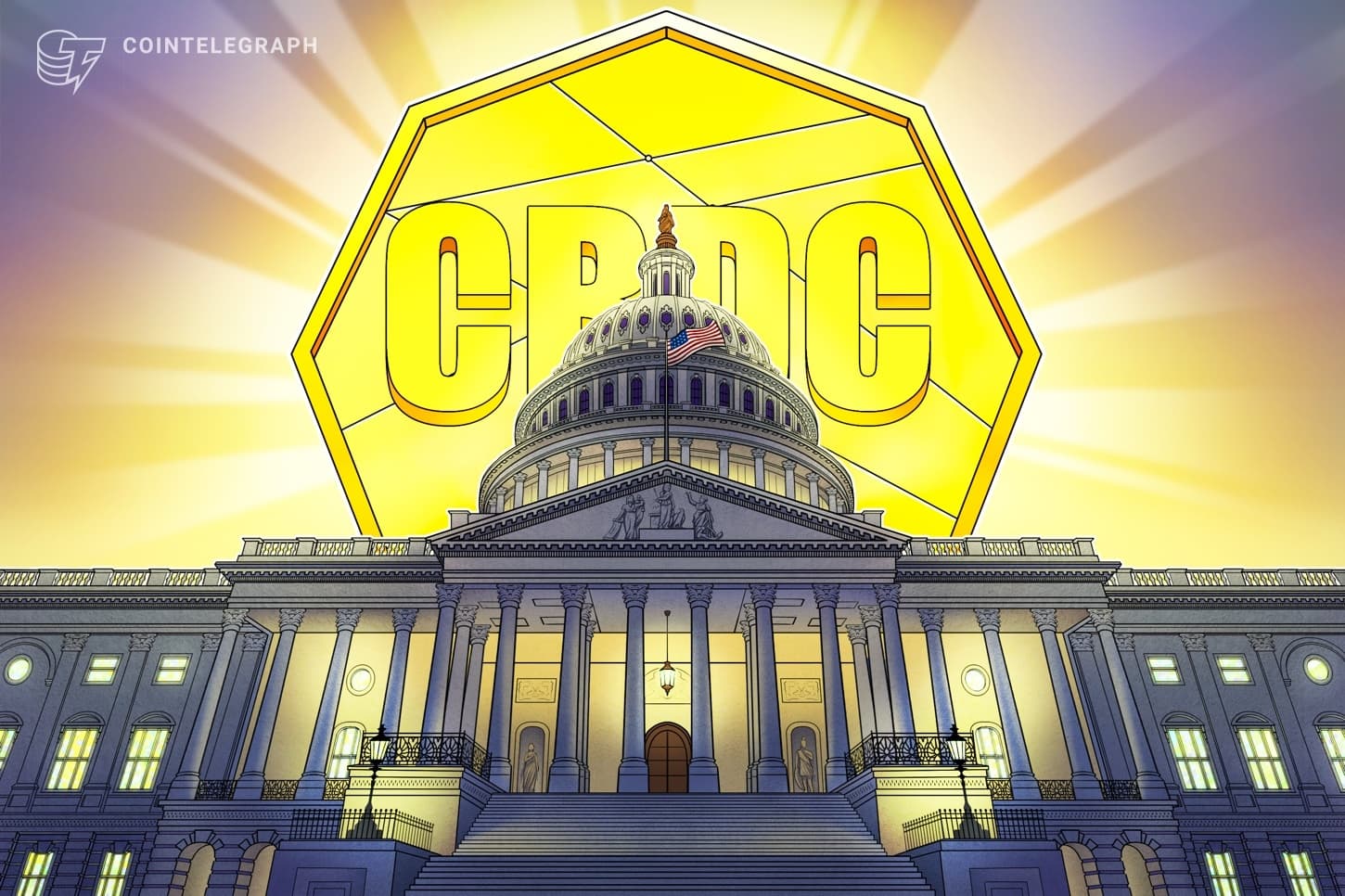
Congress just sealed a compromise on sweeping housing legislation that includes a critical constraint: the Federal Reserve can't issue a central bank digital currency (CBDC) before 2030.
This is a significant win for crypto skeptics and decentralization advocates who've been pushing back against government-controlled digital money. Here's what you need to know.
The Deal's Digital Currency Clause
House and Senate leadership hammered out an agreement on the housing package that effectively pumps the brakes on Fed CBDC development for the next several years. The ban prevents the central bank from launching any digital dollar product until at least 2030, creating a meaningful delay in what's been one of the most contentious policy debates in crypto circles.
The provision reflects growing bipartisan concern about privacy implications, financial surveillance potential, and whether a government-backed digital currency could disrupt existing financial infrastructure. Some lawmakers worry a CBDC could accelerate financial exclusion or give federal authorities unprecedented visibility into consumer spending habits.
Why This Matters for Crypto Markets
The CBDC debate has become increasingly polarized. Proponents argue digital currency infrastructure would modernize payment systems and strengthen US competitiveness against China's digital yuan development. Critics worry it's a Trojan horse for financial surveillance and could marginalize Bitcoin, Ethereum, and other decentralized cryptocurrencies by positioning government money as "digital."
For crypto traders and portfolio managers, this move signals Congress isn't rushing toward CBDC rollout—meaning regulatory pressure on private cryptocurrencies may face less urgency from government "we need this to compete" arguments. That's a marginal win for the broader crypto ecosystem.
Political Calculus
The housing bill serves as a vehicle for various unrelated provisions—a common legislative practice. Both parties wanted to move on housing reform quickly, creating space for crypto-related amendments to make it through. The CBDC ban likely appealed to both progressive privacy advocates and conservative government-skeptics, making it an unlikely bipartisan agreement in today's fractured Congress.
The 2030 timeline isn't a permanent ban—it's a regulatory pause. This gives the central bank runway to continue research and development behind the scenes while buying time for the crypto industry to build out alternatives and demonstrate the case for decentralized digital assets.
What's Next
This doesn't mean the Fed stops exploring CBDC infrastructure. Behind closed doors, the central bank will likely continue technical work, pilot programs, and international coordination. But publicly launching consumer-facing CBDC products is off the table until 2030 at earliest.
For the crypto market intelligence community, we're watching for how this affects institutional adoption narratives. If governments can't offer rapid CBDC alternatives, more capital may flow toward decentralized solutions. Meanwhile, Bitcoin and Ethereum could benefit from narrative clarity: they're not competing against immediate government digital currency launches.
Alpha Take
The Congressional CBDC pause buys the decentralized crypto ecosystem breathing room—regulatory pressure eases when central banks aren't racing to launch competing products. Watch for institutional crypto adoption acceleration if this 2030 moratorium holds. The housing bill's passage suggests Congress increasingly recognizes CBDC's tradeoffs, which indirectly validates private cryptocurrency value propositions for portfolio diversification strategies.
Originally reported by
CoinTelegraph
Not financial advice. Crypto investing involves significant risk. Past performance does not guarantee future results. Always do your own research.