
US Man Accused of Running Iranian Intelligence Ring from Jerusalem Seminary
An American student faces serious espionage charges after Israeli authorities allege he operated as an Iran intelligence asset while enrolled at a Jerusalem seminary. The 21-year-old defendant is accused of gathering and transmitting classified information to Iranian handlers in exchange for crypto
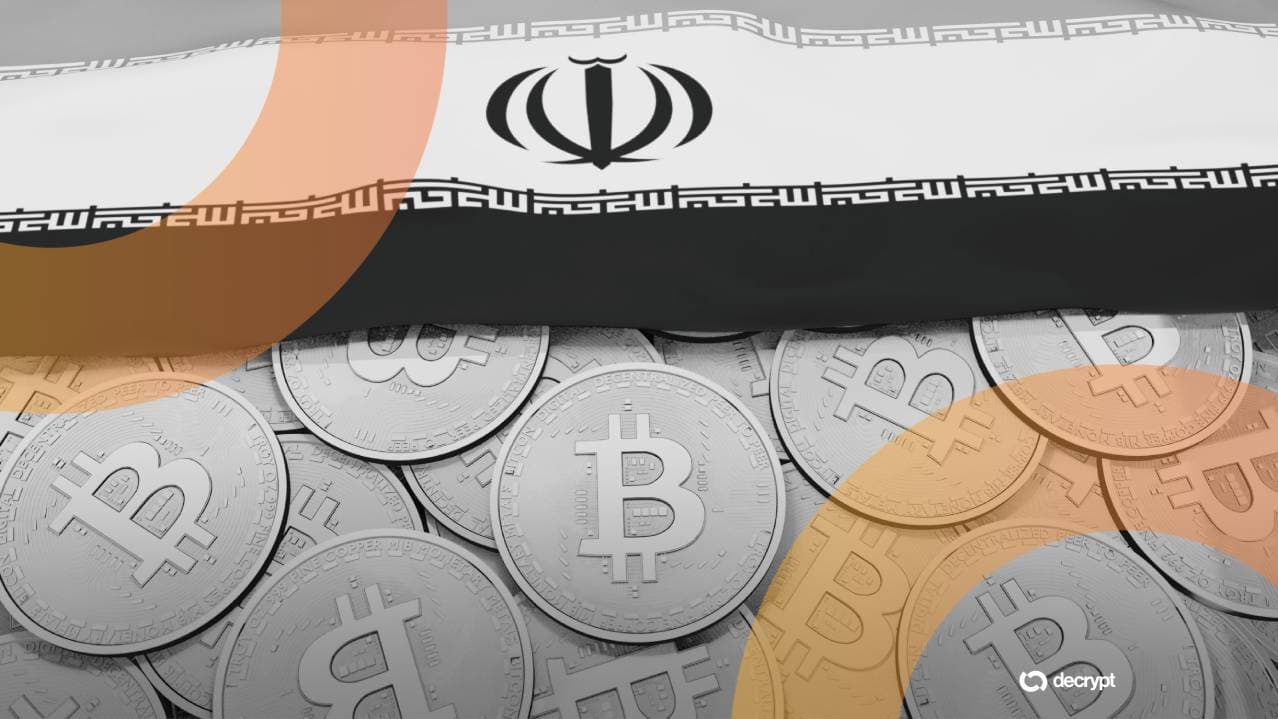
An American student faces serious espionage charges after Israeli authorities allege he operated as an Iran intelligence asset while enrolled at a Jerusalem seminary. The 21-year-old defendant is accused of gathering and transmitting classified information to Iranian handlers in exchange for cryptocurrency payments—a modern twist on Cold War-era spy tradecraft.
The Charges
Israeli prosecutors formally charged the American with security offenses related to alleged espionage activities conducted during his time studying at the religious institution. According to charging documents, the defendant maintained contact with Iranian intelligence operatives and facilitated the transfer of sensitive information in a scheme funded through crypto transactions.
This case represents a notable intersection of traditional intelligence operations and blockchain-era asset movement. Rather than using conventional payment methods that leave banking trails, prosecutors say the suspect's handlers used cryptocurrency—likely chosen for its relative opacity and speed in cross-border transfers.
How the Operation Allegedly Worked
The defendant's position as a seminary student in Jerusalem provided access to information and networks that Iranian intelligence valued. Investigators say he systematically collected data and communicated with his handlers through secure channels, operating what amounted to a one-man intelligence cell within Israeli territory.
The use of crypto payments underscores how state-sponsored espionage is adapting to modern financial infrastructure. Cryptocurrencies like bitcoin and ethereum have become tools of choice for intelligence services seeking to move money without triggering traditional financial monitoring systems—though blockchain analysis has increasingly exposed such transactions to law enforcement.
Broader Security Implications
The case highlights vulnerabilities in how foreign intelligence services recruit assets, particularly through educational and religious institutions that draw international students. Iran's intelligence apparatus has demonstrated willingness to invest in long-term penetration operations, even with modest operational yields.
For Israeli security officials, the arrest signals ongoing Iranian efforts to embed intelligence sources within the country's borders. The recruitment of a young American—potentially positioning him for a longer-term cover status—suggests a patient, strategic approach to espionage operations.
Crypto's Role in Modern Espionage
This incident fits into a broader pattern we've tracked: cryptocurrency's evolution from fringe financial technology to operational infrastructure for illicit actors. State sponsors, criminal organizations, and independent bad actors now routinely use digital assets to fund operations and move value across borders while attempting to maintain operational security.
Blockchain analysis firms have made significant advances in tracking such transactions, but the sheer transaction volume and continuing emergence of privacy-focused coins mean state actors maintain tactical advantages in specific scenarios. Iran has particularly invested in crypto infrastructure as Western sanctions limit traditional financial access.
Alpha Take
This case demonstrates why crypto market participants should understand the regulatory and geopolitical dimensions of blockchain technology—not just price action. The intersection of espionage, sanctions evasion, and cryptocurrency creates ongoing pressure for stricter crypto compliance frameworks globally, directly impacting exchange policies and portfolio management strategies. Intelligence agencies across nations are mapping crypto flows with increasing sophistication, making transaction patterns a matter of both law enforcement and trading analysis.
Originally reported by
Decrypt
Not financial advice. Crypto investing involves significant risk. Past performance does not guarantee future results. Always do your own research.