
US Regulator Demands Anthropic Retire Claude Fable and Mythos—Company Cries Foul Over "Widespread" Industry Issue
The US government has ordered Anthropic to discontinue its Claude Fable and Mythos AI models, citing a critical vulnerability that the AI safety company argues is endemic across the entire sector. Anthropic's response signals a broader tension between regulatory oversight and industry pushback.
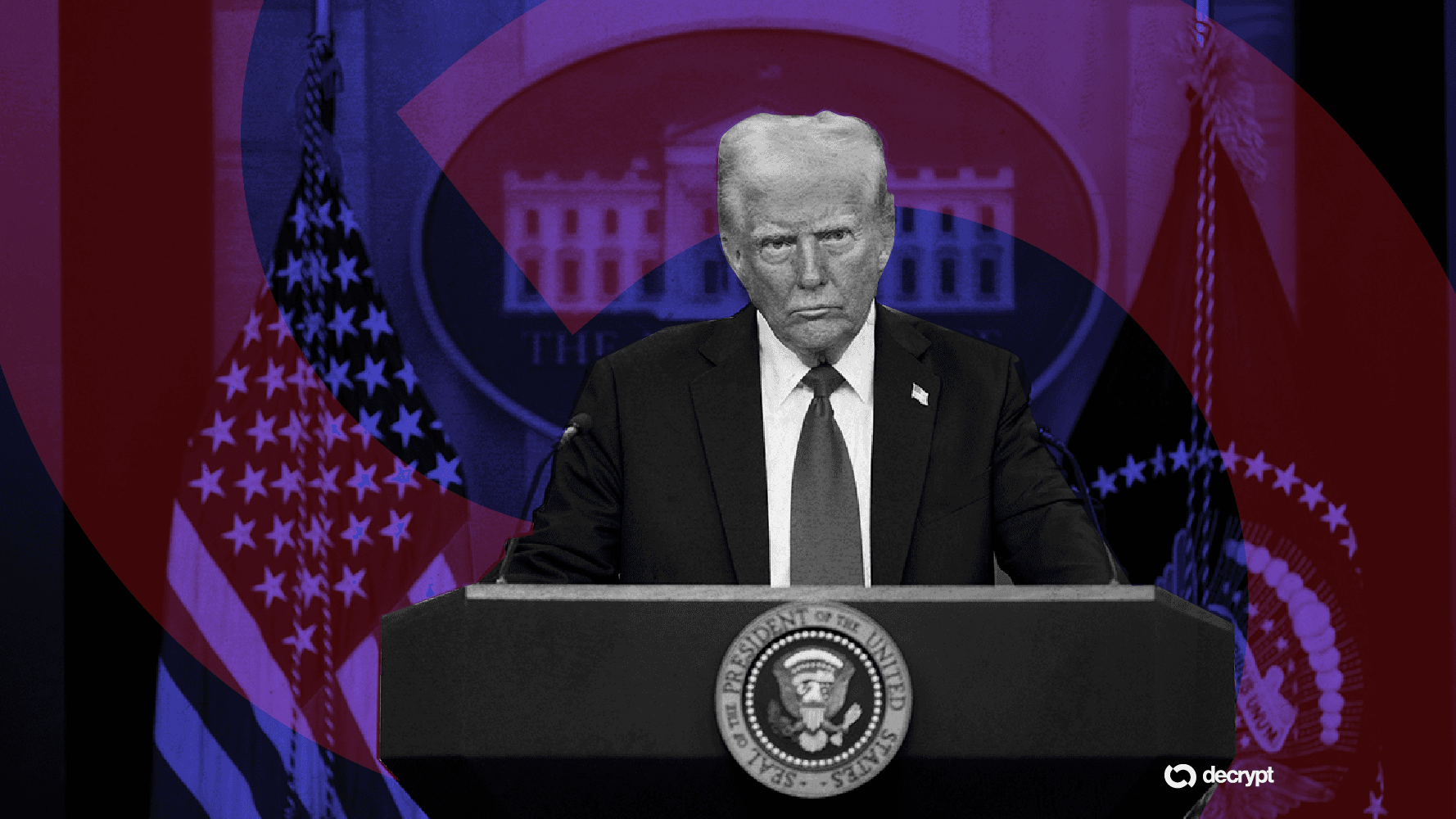
The US government has ordered Anthropic to discontinue its Claude Fable and Mythos AI models, citing a critical vulnerability that the AI safety company argues is endemic across the entire sector.
Anthropic's response signals a broader tension between regulatory oversight and industry pushback. The company contends that the specific vulnerability flagged by authorities isn't unique to their models—it's a systemic problem affecting multiple AI platforms. This framing matters because it reframes the issue from a company-specific failure into an industry-wide challenge that regulators may be selectively targeting.
The government's enforcement action represents an escalation in AI model regulation. Rather than issuing guidance or recommendations, US authorities moved directly to mandate model retirement. This sets a precedent for how regulators plan to handle AI safety concerns going forward—through concrete enforcement mechanisms rather than voluntary compliance frameworks.
The Vulnerability Question
What makes this particularly interesting for crypto and blockchain observers is how it mirrors debates we've seen in the digital asset space around selective enforcement. When regulators address security flaws in cryptocurrency protocols, they typically issue warnings across the board. But when specific projects face enforcement action for issues that competitors also have, it creates questions about consistency and intent.
Anthropic's defense—that the vulnerability is "already widespread across the industry"—is a legitimate technical point. If Fable and Mythos share a flaw with dozens of other AI models in production, singling them out seems arbitrary. However, regulators might counter that being widespread doesn't eliminate the need for action; it potentially means multiple vendors need to remediate.
What This Means for AI Development
The order forces Anthropic into an uncomfortable position. The company must either comply and discontinue these models or mount a legal challenge, both of which carry significant business and reputational costs. Unlike crypto projects that can sometimes migrate to different jurisdictions, AI regulation in the US carries weight that's harder to sidestep.
This also matters for the broader AI safety conversation. If regulators are willing to force model retirement over vulnerabilities that exist industry-wide, it could accelerate a regulatory trend toward more aggressive intervention. That's the opposite trajectory from where crypto regulation has evolved—toward clearer frameworks and less arbitrary enforcement.
The timing adds another layer. As governments worldwide compete on AI capability and competitiveness, aggressive domestic enforcement could also reflect protectionist instincts. Whether this order is purely about safety or partially about market positioning remains an open question.
Anthropic's pushback suggests we're entering a phase where AI companies will contest regulatory decisions more aggressively, similar to how major crypto platforms have challenged enforcement actions. Expect legal filings and policy advocacy to intensify.
Alpha Take
This regulatory action signals that US authorities are moving from advisory stances on AI safety to enforcement-based governance. For investors tracking AI infrastructure plays, expect increased compliance costs and slower model deployment cycles—a dynamic worth modeling into your AI-adjacent portfolio positioning. The "widespread vulnerability" defense also highlights how selective enforcement can create market confusion, similar to patterns we've observed in crypto market intelligence analysis.
Originally reported by
Decrypt
Not financial advice. Crypto investing involves significant risk. Past performance does not guarantee future results. Always do your own research.